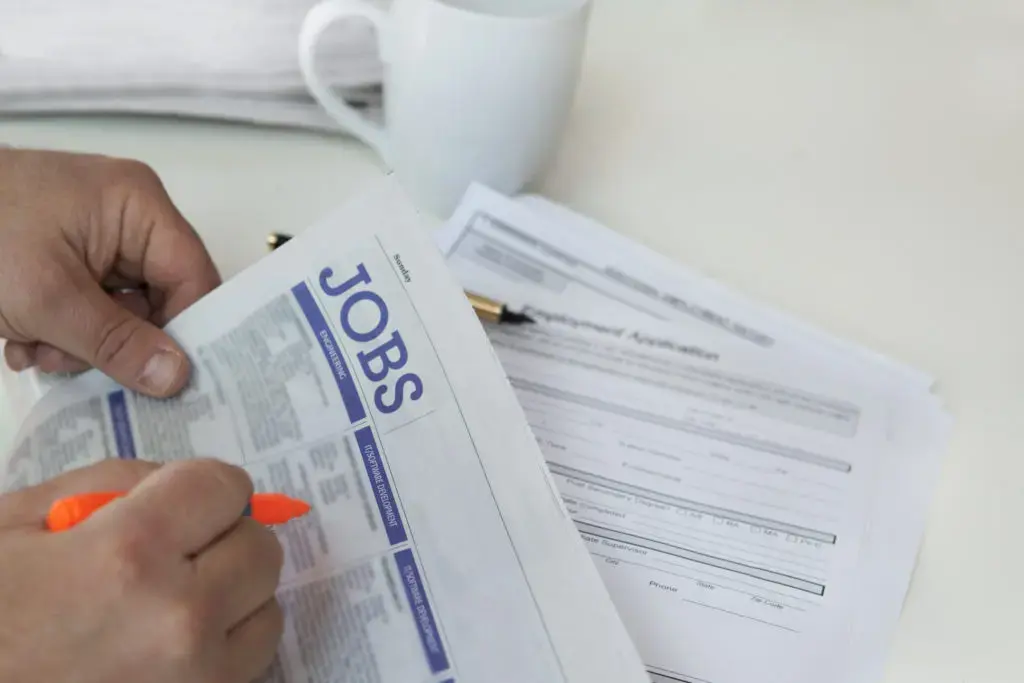
Labor market resilience amid geopolitical tension
May’s jobs report showed employers added 172,000 positions nationwide, beating expectations. The Bureau of Labor Statistics released the data on June 2, marking a rare gain in a month clouded by the ongoing conflict in Iran. Unemployment edged down to 3.6%, and average hourly earnings rose 0.2% from April.
Latest news
 Swedish Voters Choose New Parliament as Left-Wing Coalition Projects to Win Majority
 Trump Announces End of US Tariff on Irish Whisky
 Frances Stonor Saunders, Author of CIA Cultural Espionage Exposé, Dies at 66
 Israel and Lebanon to Hold Security Talks in Rome This October
Economists say the surge reflects lingering demand for services and a tight labor pool. Even as oil prices spiked and consumer confidence slipped, businesses continued to fill vacancies to avoid production bottlenecks. The Federal Reserve’s steady‑rate stance also helped keep borrowing costs low, encouraging firms to expand payrolls despite geopolitical uncertainty.
The report highlighted that sectors such as health care, education, and professional services posted the strongest gains. Health‑care workers added 28,000 jobs, while education saw a 19,000‑job increase. Employers cited the need to replace retirees and meet rising demand for skilled labor.
Will hiring momentum survive if the Iran conflict deepens?
Analysts note that the hiring surge came as the Iran war strained global supply chains, raising costs for manufacturers. Yet, many firms reported that the impact was muted in the United States, where domestic sourcing mitigated import disruptions. „The U. S. economy has shown remarkable flexibility,” said senior economist Laura Chen of the Economic Policy Institute. „Companies are adapting quickly, shifting inventories, and still finding room to grow their workforces.”
If the war escalates, the labor market could face new headwinds. Higher oil prices may translate into increased transportation and production expenses, prompting firms to curb hiring or delay expansions. Some CEOs have already signaled caution, planning to reassess capital projects if geopolitical risks rise.
Nevertheless, the tightness of the labor market may counterbalance those pressures. With vacancy rates still above 5%, employers may be forced to compete for talent, sustaining wage growth and hiring incentives. The Federal Reserve’s upcoming policy meeting will be closely watched for clues on how monetary policy might shift in response to external shocks.
The hiring surge offers a mixed outlook. Short‑term optimism may boost consumer spending, but lingering uncertainty could temper business confidence. Policymakers will need to balance inflation concerns with the need to support a labor market that appears surprisingly robust under strain.
Frequently Asked Questions
What drove the 172,000 job increase in May? Strong demand in health care, education, and professional services, combined with a low unemployment rate, pushed employers to add staff despite higher oil prices.
How might the Iran war affect future hiring? Escalation could raise energy costs and disrupt supply chains, prompting firms to pause hiring. However, a tight labor market may keep wage pressures high, encouraging continued recruitment.
Will the Federal Reserve change interest rates because of the war? The Fed has signaled a data‑dependent approach. If inflation spikes from higher energy prices, it may consider rate hikes, but it will also weigh labor market strength before acting.