
A Fragile Peace
The US and Iran have signed a landmark peace deal in Islamabad, aiming to end the war between Israel, the US, and Iran. The agreement, brokered by a third party, was signed by US President Donald Trump and Iranian President Masoud Pezeshkian. It seeks to open the Strait of Hormuz, a vital waterway for global oil trade.
Latest news
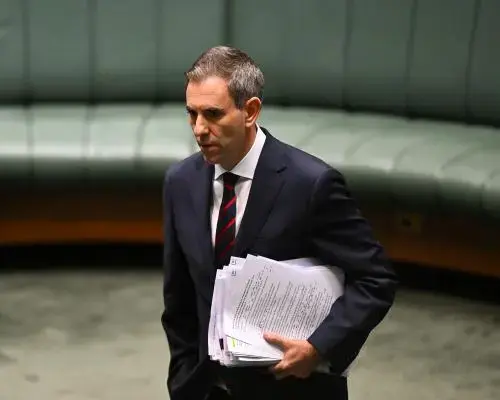 IMF Cuts Australia Growth Forecast Amid Rate Hike Warnings
 Nicaraguan Exile Journalist Luis Galeano Detained by U.S. ICE in Florida
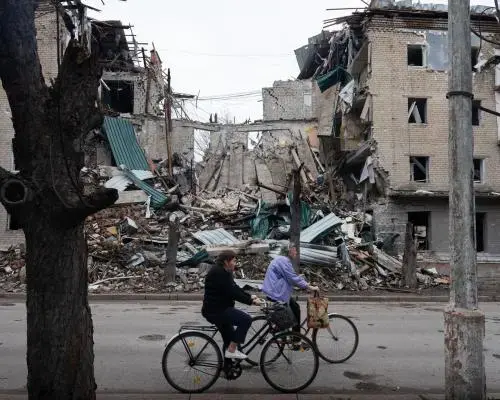 Congress Passes Bill Granting Trump Expanded Sanctions Authority
 AI pioneer Yoshua Bengio warns of imminent crisis
The deal's success hinges on several factors, including the willingness of both nations to adhere to its terms. One key aspect is the easing of tensions between the US and Iran, which have been escalating for years. The agreement is expected to reduce the risk of conflict in the region.
Can the Strait of Hormuz Remain Open?
A crucial component of the deal is the opening of the Strait of Hormuz, which has been a focal point of tensions. The strait is a critical waterway, with a significant portion of the world's oil supply passing through it. With the deal in place, the risk of disruption to global oil supplies is expected to decrease.
The implementation of the peace deal is likely to have far-reaching consequences, including a potential reduction in regional tensions. However, challenges remain, and the agreement's long-term success is uncertain.
What are the main goals of the US-Iran peace deal? The primary objectives are to end the war between Israel, the US, and Iran, and to open the Strait of Hormuz.
Frequently Asked Questions
How will the deal affect global oil prices? The agreement is expected to reduce the risk of disruption to global oil supplies, potentially leading to more stable oil prices.
Will the deal lead to a lasting peace in the region? While the agreement is a significant step towards peace, its long-term success depends on the commitment of both nations to adhere to its terms.