Resilience Amidst Inflationary Pressures
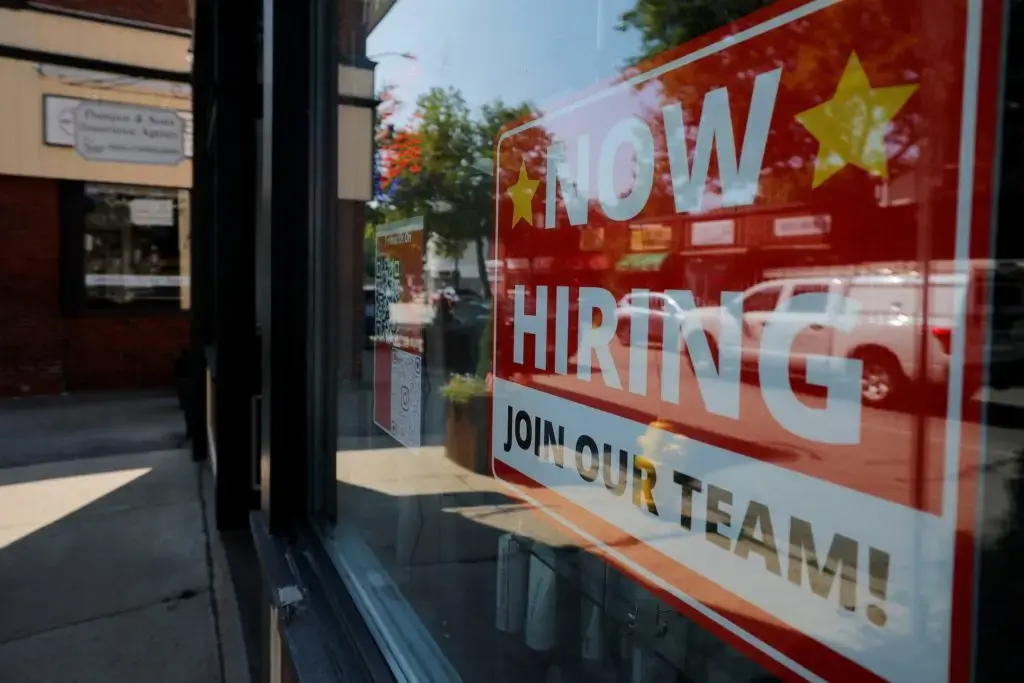
The United States economy added 162,000 new jobs in August, marking a significant recovery from previous months. This surge occurred despite persistent inflationary pressures and complex global economic uncertainties. Labor market data released in early September revealed this unexpected strength. Analysts had predicted a much slower pace of hiring during this period. Instead, employers aggressively expanded their workforces across multiple sectors. The result was a clear signal that consumer spending power remains intact.
Latest news
 Swedish Voters Choose New Parliament as Left-Wing Coalition Projects to Win Majority
 Trump Announces End of US Tariff on Irish Whisky
 Frances Stonor Saunders, Author of CIA Cultural Espionage Exposé, Dies at 66
 Israel and Lebanon to Hold Security Talks in Rome This October
Economists note that the labor sector is holding firm against rising costs. Inflation has remained sticky, affecting household budgets and corporate profit margins simultaneously. Yet, companies continued to hire rather than freeze positions or lay off staff. This behavior suggests that business confidence is higher than recent forecasts indicated. Sectors such as healthcare, technology, and professional services led the growth. These industries often have pricing power that allows them to absorb wage increases. Consequently, the unemployment rate stayed near historic lows. Workers maintained bargaining power, keeping wage growth steady without triggering a spiral of price hikes.
Can Growth Sustain Through 2027?
The central question for policymakers now involves the duration of this resilience. The Federal Reserve must balance its interest rate strategy against these strong employment figures. If the job market continues to tighten, the central bank may delay rate cuts. This could keep borrowing costs high for longer, potentially slowing other parts of the economy. However, if inflation cools naturally, the current hiring boom might justify maintaining status quo policies. Investors are watching closely for signs of cooling in the coming quarters. A sustained high level of employment supports consumer confidence, which drives retail sales and service demand.
The outlook for the remainder of 2026 appears cautiously optimistic. While global trade tensions and energy price fluctuations remain risks, the domestic labor foundation is solid. Businesses are adapting to higher operational costs through efficiency gains and automation. This adaptation helps preserve jobs even when margins are squeezed. For workers, the stability provides security in an otherwise volatile global landscape. The next few months will test whether this August rebound is a one-time anomaly or the start of a durable trend.
How many jobs were added in August? The U. S. economy added 162,000 jobs in August. This figure significantly exceeded expectations from most financial forecasters. It represents a sharp increase compared to the preceding months.
Frequently Asked Questions
Why did the job market recover so quickly? Strong demand in key sectors like healthcare and tech drove the hiring surge. Companies felt confident enough to expand despite inflationary headwinds. This indicates underlying strength in the broader economic structure.
What does this mean for interest rates? Strong employment data may lead the Federal Reserve to hold interest rates steady. High job numbers suggest the economy can withstand higher borrowing costs. Policymakers will likely wait for clearer inflation signals before making changes.