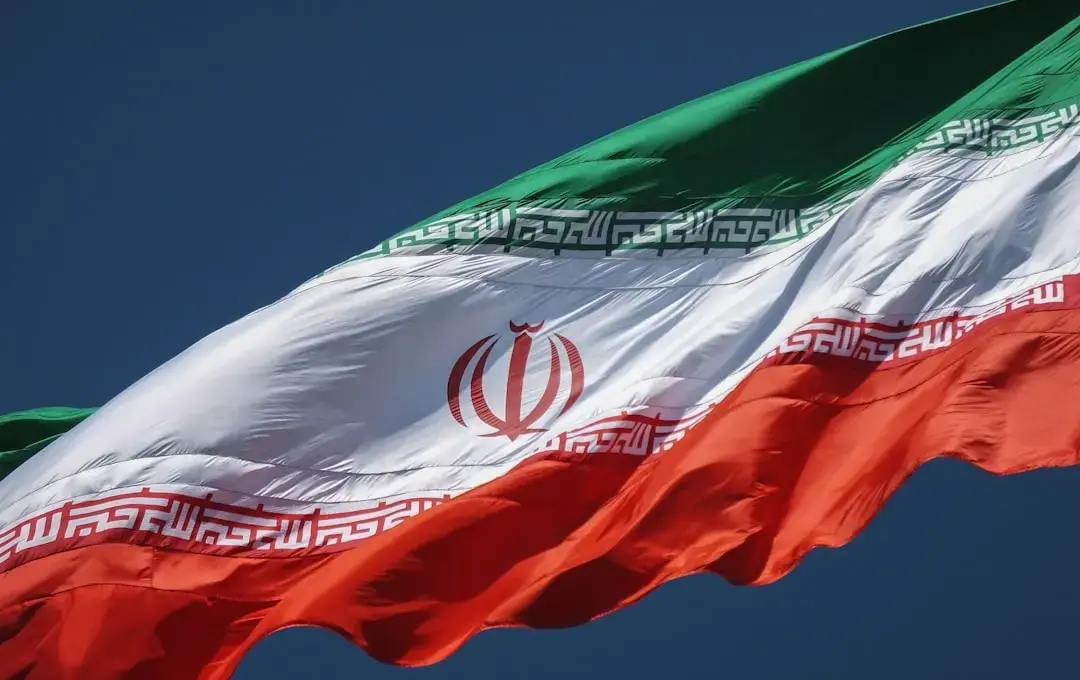
Economic Sanctions as a Strategy
U. S. Treasury Secretary Scott Bessent addressed the current state of Iran's economy during a recent discussion. He emphasized that the U. S. is unlikely to engage in large-scale military operations in Iran again. Instead, Bessent believes economic sanctions will effectively manage the situation.
Latest news
 Swedish Voters Choose New Parliament as Left-Wing Coalition Projects to Win Majority
 Trump Announces End of US Tariff on Irish Whisky
 Frances Stonor Saunders, Author of CIA Cultural Espionage Exposé, Dies at 66
 Israel and Lebanon to Hold Security Talks in Rome This October
Bessent's remarks come amidst ongoing tensions between the U. S. and Iran. The Secretary pointed out that the focus has shifted towards using economic measures rather than military interventions. This strategy aims to apply pressure on Iran's economy, which has faced significant challenges in recent years. A former adviser to Iran's central bank, however, criticized this approach, arguing that it may not yield the desired results.
The U. S. has a long history of imposing sanctions on Iran, particularly since the withdrawal from the nuclear deal in 2018. Bessent believes that these sanctions can bring about change without the need for direct military involvement. He highlighted that the current economic climate in Iran is precarious, with inflation and unemployment on the rise.
Can Economic Sanctions Work?
The bond market, however, presents a different challenge. Investors are becoming increasingly wary of the risks associated with Iranian assets. The combination of sanctions and economic instability has made bonds linked to Iran less appealing. Bessent's comments reflect a broader concern about the viability of investing in this market.
Will economic sanctions effectively change Iran's behavior? While Bessent is optimistic, the situation remains complex. Critics argue that sanctions often hurt the general population more than the government. This can lead to increased anti-American sentiment and further entrenchment of the current regime.
As the U. S. continues to navigate its relationship with Iran, the outcomes of these economic strategies remain uncertain. The bond market's response to Iran's economic situation will be critical in shaping future U. S. policy.
Frequently Asked Questions
What is the current state of Iran's economy? Iran's economy is struggling with high inflation and unemployment, exacerbated by ongoing sanctions.
How effective are economic sanctions? Economic sanctions can pressure governments but often harm civilians, complicating their effectiveness.
What are the implications for U. S.-Iran relations? The reliance on sanctions may lead to strained relations, as Iran could perceive these measures as hostile actions.