Why Kalshi Calls for Stronger Oversight Now
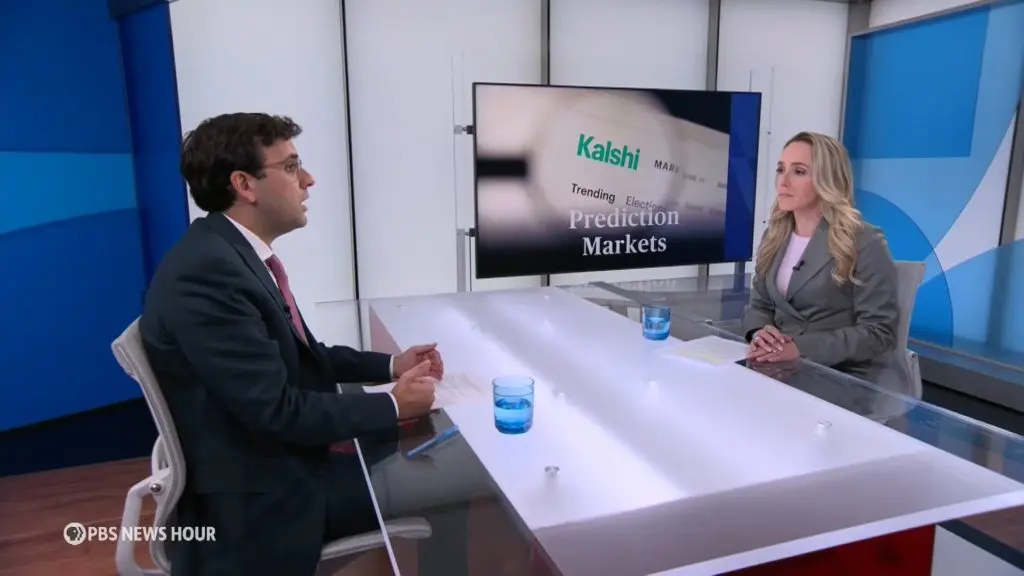
Washington, D. C., Sept. 24, 2026 — As prediction markets expand rapidly across the United States, Kalshi’s chief executive is urging stronger oversight to ensure market integrity and public trust. The company supports clearer rules to prevent manipulation and protect participants, reflecting growing bipartisan concern in Congress and state legislatures about the risks of unregulated speculative trading on real-world events.
Latest news
 French Catholic Influencers Bring Digital Faith to Physical Gatherings
 Africa's Richest Man Backs $660m Fuel Pipeline for Ethiopia and Djibouti
 Nepal Leader Calls Recent Floods a Global Climate Warning
 International Allies Bolster Saudi Defenses Amid Escalating Houthi Strikes
Prediction markets allow users to trade contracts based on outcomes of elections, economic indicators, and other future events. While proponents argue they improve forecasting accuracy, critics warn they could enable insider trading, market manipulation, or undue influence on democratic processes. Kalshi, one of the few federally designated contract markets operating in this space, has faced scrutiny over its compliance with Commodity Futures Trading Commission regulations. The CEO emphasized that the firm welcomes regulatory clarity, not resistance, to foster long-term legitimacy.
How Might Regulation Shape the Future of Event Trading?
The CEO stated that robust guardrails are essential to distinguish legitimate forecasting from gambling-like behavior. He pointed to recent spikes in trading volume around high-profile elections and economic reports as evidence of both public interest and potential vulnerability. Internal safeguards, such as position limits and surveillance systems, are already in place, but the CEO argued that uniform federal standards would level the playing field and deter bad actors. He also noted that clearer rules could encourage institutional participation, which currently remains limited due to regulatory uncertainty.
Experts suggest that well-designed rules could enhance the utility of prediction markets as tools for risk management and public insight, rather than mere speculation. Some lawmakers have proposed requiring registration with the CFTC, imposing transparency requirements, and banning contracts on certain sensitive events like terrorist attacks or assassinations. Others advocate for a dedicated federal framework tailored to event contracts, distinct from traditional commodities or securities. The outcome of these debates could determine whether prediction markets become a mainstream analytical tool or remain a niche, controversial sector.
What is Kalshi’s position on regulation? Kalshi’s CEO said the company wants more guardrails, not less, to ensure fair and transparent markets that serve a legitimate forecasting purpose.
Frequently Asked Questions
Why are lawmakers concerned about prediction markets? Regulators worry about potential manipulation, insider trading, and the ethical implications of trading on sensitive events like elections or crises.
Could prediction markets become widely used tools for forecasting? If regulated effectively, they could complement traditional forecasting methods, but widespread adoption depends on resolving legal and trust-related challenges.