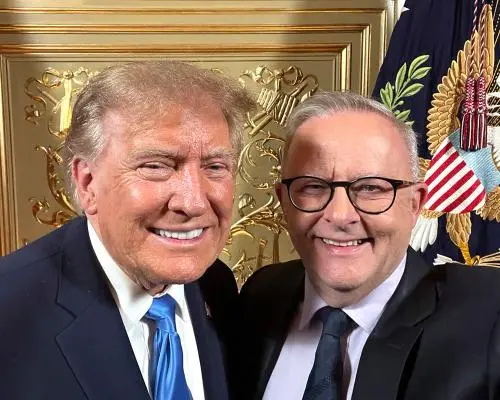
Navigating the Gap Between Personal Rapport and Public Opinion
Australian Prime Minister Anthony Albanese recently shared a selfie with US President Donald Trump. The image quickly became a viral sensation across social media platforms. Critics questioned the timing and context of the photo. Supporters argued it signaled a renewed commitment to bilateral ties. The moment occurred during a high-profile diplomatic engagement. It highlighted the complex relationship between Canberra and Washington.
Latest news
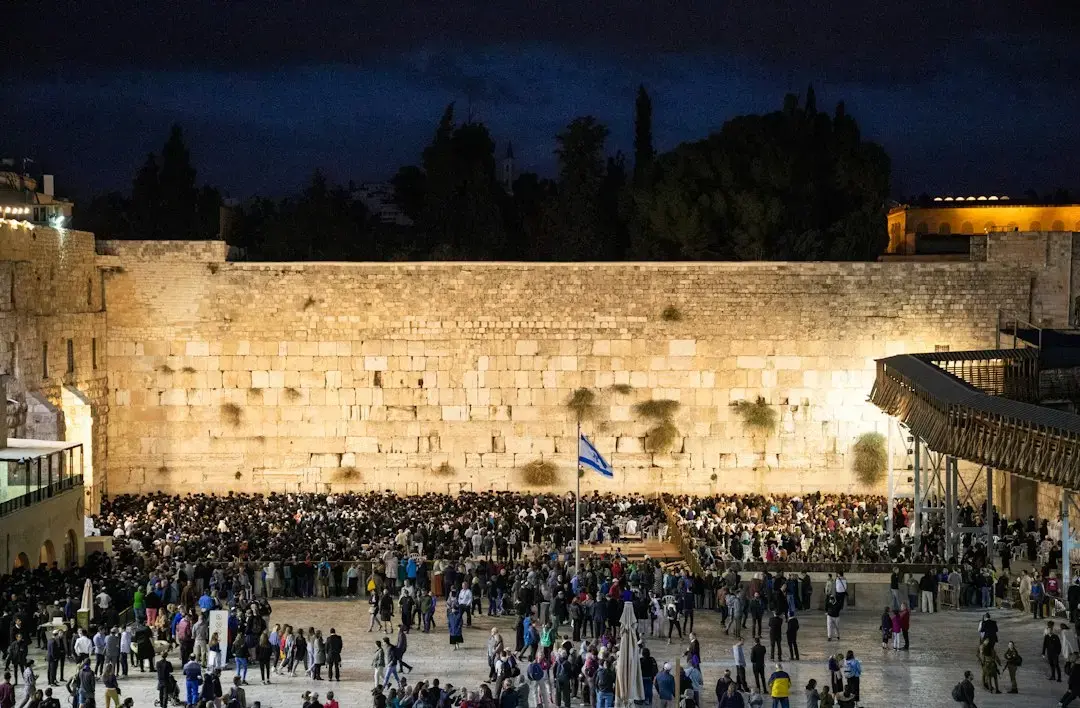 Gaza Residents Face Upcoming Israeli Elections With Deep Concern and Little Hope
 Court Orders White House to Reinstate Media Credentials
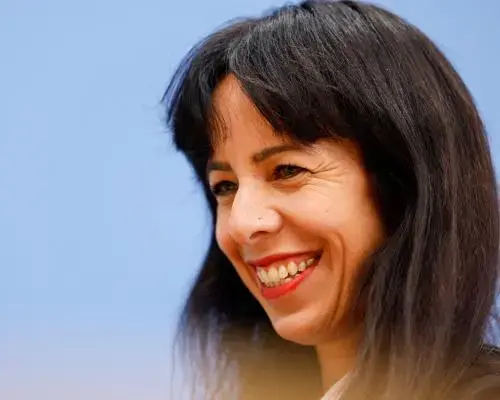 Elif Eralp Aims to Become Berlin's First Turkish‑Origin Mayor
 Pentagon spending hits historic one trillion dollar mark for first time ever
The photograph emerged against a backdrop of shifting political dynamics. Albanese has long viewed strong connections with the United States as vital for national security. However, domestic opinion polls show Trump remains unpopular among many Australians. This creates a delicate balancing act for the government. The prime minister must maintain personal rapport with the White House while respecting local sentiment. The selfie served as a visual cue of this strategic alignment. It demonstrated that despite public skepticism, official channels remain open and active.
The decision to post the image reflects a calculated diplomatic strategy. Albanese sought to solidify his position ahead of key negotiations. The previous year saw missed opportunities for direct engagement. A scheduled meeting at the G7 summit in Canada was cancelled by Trump at the last minute. This left the Australian leader eager for face-to-face contact. The subsequent encounter at the United Nations general assembly provided that chance. By capturing the moment, Albanese signaled continuity and stability in the alliance. The move aimed to reassure markets and allies that the partnership endures. It also projected confidence in the ability to manage differences effectively.
Does Viral Diplomacy Strengthen or Complicate Alliances?
Critics argue that such informal gestures can oversimplify serious policy discussions. They suggest that relying on personal chemistry may obscure structural disagreements. Others counter that in modern diplomacy, visibility is a form of power. The selfie functioned as a tool to humanize the interaction. It moved the conversation beyond formal statements and press releases. This approach allows leaders to bypass traditional media filters. It creates a direct line of communication with the global public. The strategy mirrors trends seen in other international relations. Leaders increasingly use social media to craft their narratives.
The outcome of this diplomatic maneuver remains under observation. Analysts are watching for tangible results in trade and defense agreements. The success of the alliance will depend on policy implementation rather than photos. If the relationship yields concrete benefits, the selfie will be remembered as a pivotal moment. If tensions persist, it may be viewed as superficial. The coming months will test the durability of this new dynamic. Both nations face internal pressures that could influence their external behavior. Economic factors and electoral cycles play significant roles. The ability to sustain momentum will determine the legacy of this engagement.
Frequently Asked Questions
Why did Albanese seek a meeting with Trump after the G7 cancellation? The prime minister wanted to establish direct contact following a last-minute cancellation. He viewed face-to-face dialogue as essential for resolving pending issues.
How do Australians generally view Donald Trump? Public opinion polls indicate that Trump is not widely popular in Australia. This makes the prime minister’s close association with him a politically sensitive topic.
What was the immediate reaction to the selfie? The image generated widespread discussion online. It sparked debate about the effectiveness of informal diplomatic gestures in strengthening formal alliances.