
Schools Shut, Specialists Scarce
In Gaza City, 13‑year‑old Ken Al‑Sabaa struggles to adjust a broken hearing aid with his father’s help. The device’s plastic tubing, rubber ear mould, and batteries are unavailable because of Israel’s siege, preventing the child from accessing specialized education. Ken’s situation illustrates a broader crisis: children in Gaza with visual and auditory impairments rarely receive the tailored schooling they need. The ongoing war has disrupted supply chains, damaged schools, and forced many families to flee, leaving these vulnerable children without essential resources or trained educators.
Latest news
 Brazil Extends Voting Hours After Transport Complaints
 Le Pen’s ‘Renaissance’: Can a Fourth Attempt Finally Break Through?
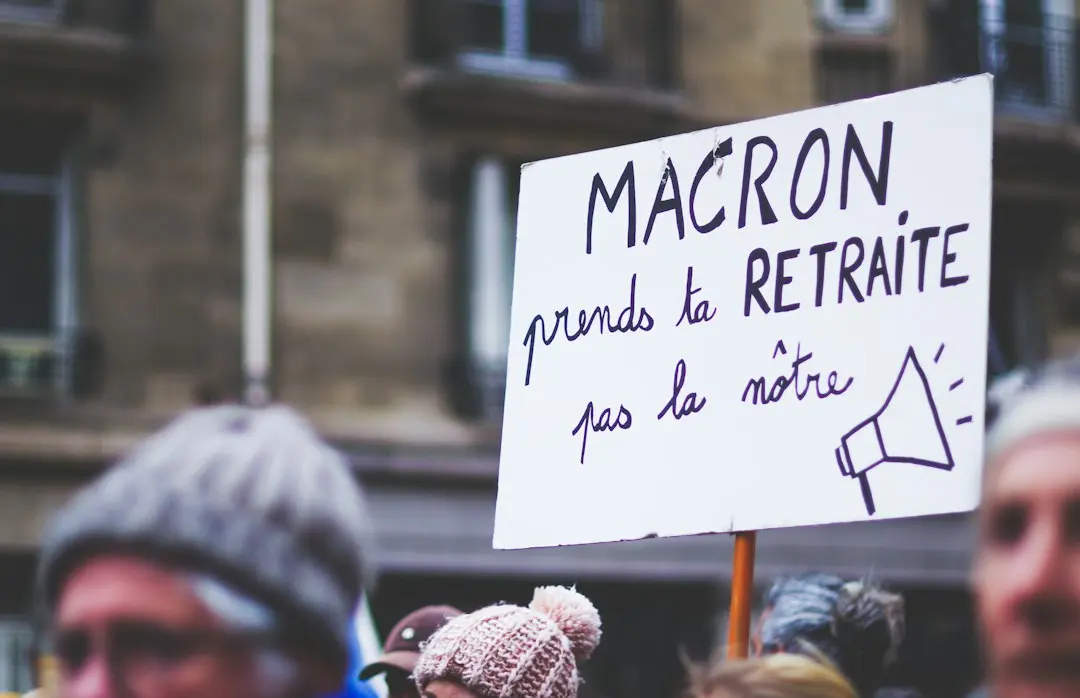 Macron's Protest Bill Sparks Outcry Over Blame for Vandalism
 Todd Blanche defends DoJ lawsuit to block Alaska Senate certification
Gaza’s schools have been targeted and damaged repeatedly, forcing many to close or operate in makeshift settings. Teachers with expertise in special education are scarce, and the remaining staff are overwhelmed by the influx of displaced students. In addition, the blockade has halted the import of educational materials, including adaptive devices, textbooks, and sensory equipment.
How Do Children Adapt Without Resources?
Ken’s father, Ahmed, explains that before the war, the hearing aid was serviced locally. „We used to bring it to a clinic in the city, and the technician would replace the parts,” he says. „Now, there is no clinic, and the parts are not coming in.” The lack of spare parts means that even basic hearing aids cannot be repaired, leaving children unable to participate in regular classroom activities.
Families are improvising. Some use homemade earplugs or attempt to repurpose old devices, but these solutions are ineffective for complex hearing or visual impairments. Children with visual difficulties rely on limited tactile learning tools, but these are often worn out or missing. The absence of trained specialists means that children are not receiving individualized instruction, leading to significant learning gaps.
What Happens When Education Is Interrupted?
The United Nations has reported that over 70 % of schools in Gaza are either damaged or partially operational. Within this context, the number of children with special needs who can attend school has dropped by nearly 50 %. The psychological toll is profound; many children experience anxiety, depression, and a sense of isolation.
Frequently Asked Questions
Long‑term consequences loom large. Without proper education, children with impairments risk falling behind academically, limiting future employment opportunities. The lack of early intervention can exacerbate developmental delays, making it harder for these children to integrate into society after the conflict ends.
The international community has called for the reopening of schools and the delivery of specialized equipment. However, logistical challenges and ongoing hostilities make immediate solutions difficult. The hope is that a ceasefire and easing of the blockade will allow humanitarian aid to reach these children, restoring access to essential services and education.