The Silent Spread of Self‑Destruction
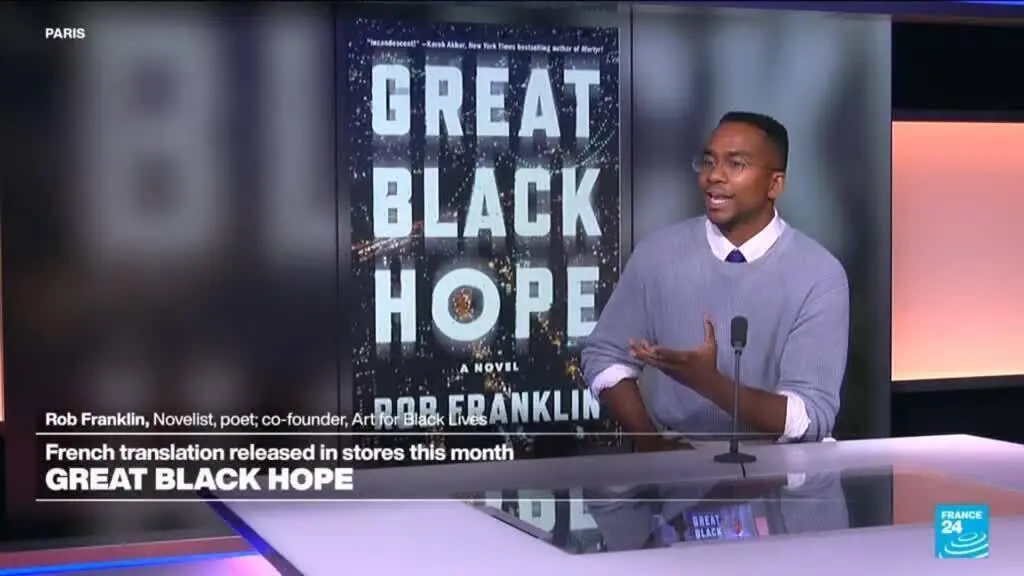
In a recent interview, community leader Eve Irvine praised author Rob Franklin for his new work that examines how the search for belonging can become a destructive force within Black communities. The discussion took place in a modest studio in Chicago, where Irvine and Franklin explored the emotional toll of identity struggles that can feel like an internal cancer.
Latest news
 Why Diesel Prices Are Rising and What It Means for Europe
 Impact of Fossil‑Fuel Lobbying on U.S. Academic Freedom
 Serbian President Aleksandar Vucic Resigns as Prime Minister
 Macron Calls for Renewed European Courage Amid Pope’s Metz Visit
Franklin’s book, released last month, delves into the psychological impact of societal exclusion and the relentless pressure to fit in. He argues that the drive to belong can erode self‑worth, leading to anxiety, depression, and a sense of isolation that spreads through families and neighborhoods. Irvine highlighted how these themes resonate with many listeners who feel caught between cultural heritage and mainstream expectations.
Franklin describes the phenomenon as a „cancer” because it spreads silently, affecting relationships and community cohesion. He cites studies showing that Black youth who feel disconnected from their cultural roots often turn to risky behaviors or disengage from education. The book offers case studies of individuals who, in their quest for acceptance, compromise their values and experience long‑term emotional damage.
Can Identity Be Reclaimed?
Irvine notes that the narrative has sparked conversations in churches, schools, and community centers. „People are finally acknowledging that the pressure to belong can be harmful,” she said. The dialogue has led to new support groups that focus on affirming identity while fostering healthy community ties.
How can individuals reclaim a sense of belonging without sacrificing their mental health? Franklin suggests a two‑step approach: first, cultivating self‑acceptance through therapy and mentorship; second, building inclusive spaces that celebrate diversity rather than demand conformity. He stresses the importance of storytelling, urging people to share their experiences openly.
Irvine added that mentorship programs in urban areas are already seeing positive results. Participants report increased confidence and a stronger connection to their cultural heritage. „When you see someone else succeed without compromising who they are, it changes the narrative,” she said.
The Road Ahead
The conversation points to a broader need for systemic change. Franklin calls for educational reforms that integrate Black history and culture into curricula, reducing the sense of otherness that fuels the „cancer” of belonging. Irvine believes that community leaders and policymakers must collaborate to create safe, affirming environments for all.
As the dialogue continues, the hope is that the destructive cycle of forced belonging will be broken, allowing Black individuals to thrive in authentic ways.
Frequently Asked Questions
What is the main argument of Rob Franklin’s book? Franklin argues that the relentless pursuit of belonging can act like a cancer, eroding self‑worth and spreading emotional harm within Black communities.
How are communities responding to these ideas? Many are forming support groups, mentorship programs, and educational initiatives that celebrate identity while promoting mental health.
What practical steps can individuals take? Engage in therapy, seek mentorship, and participate in community spaces that value diversity and authenticity.