The Power of a Banned Film
A film about activist Jaswant Singh Khalra was banned in India. The movie reveals real-life police abuses. It was cleared by authorities recently.
Latest news
 Swedish Voters Choose New Parliament as Left-Wing Coalition Projects to Win Majority
 Trump Announces End of US Tariff on Irish Whisky
 Frances Stonor Saunders, Author of CIA Cultural Espionage Exposé, Dies at 66
 Israel and Lebanon to Hold Security Talks in Rome This October
The film's story is based on Khalra's life. He was a human rights activist. His work exposed police brutality in India. The movie shows how police treated him. It also shows the struggles of his family.
Can Censorship Suppress the Truth?
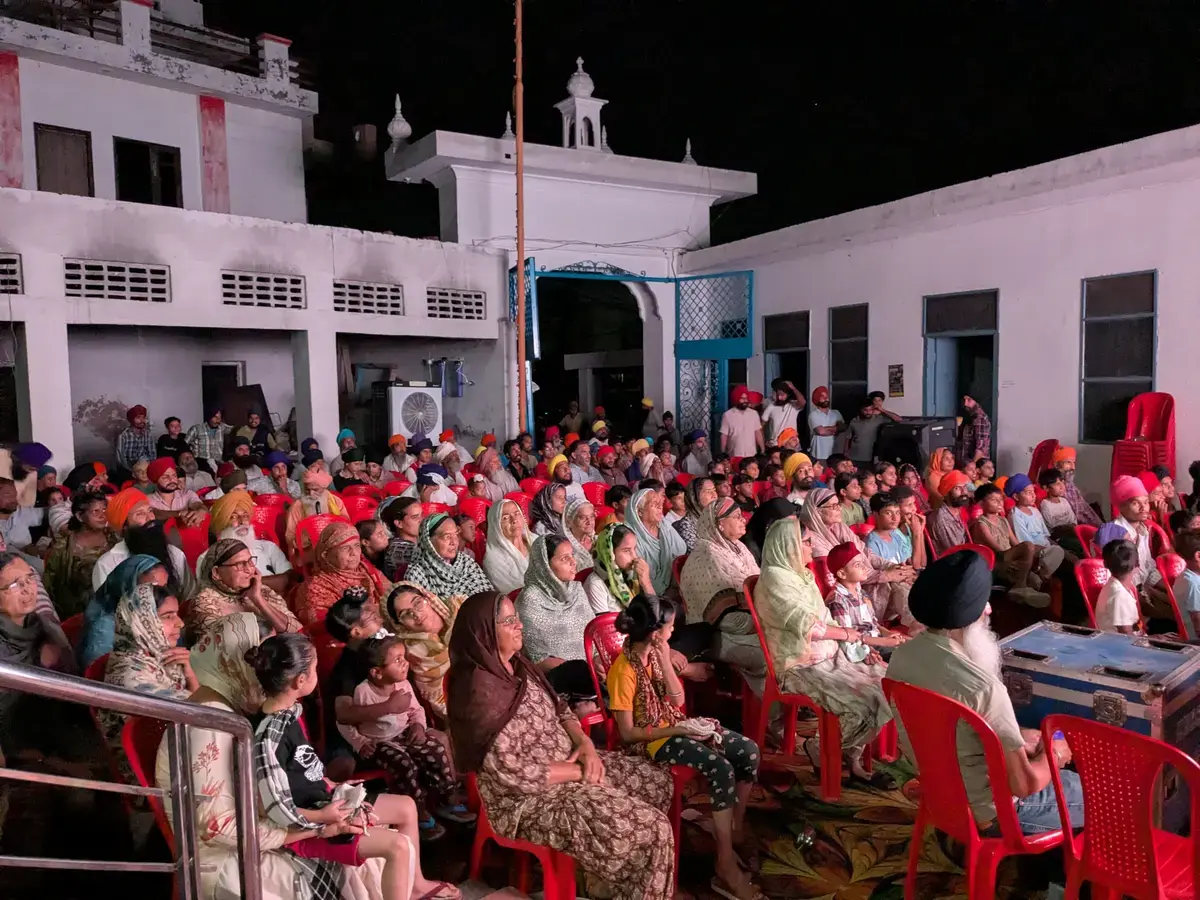
The ban on the film backfired. It gained popularity instead. People became curious about the movie. They wanted to know why it was banned. The film's message spread widely. It sparked discussions about police abuses in India.
The film's success is a testament to the power of storytelling. It shows how art can bring attention to important issues. The movie's popularity also raises questions about censorship in India. Is it effective in suppressing information?
The Indian government's decision to ban the film has been questioned. Many wonder if censorship is the right approach. Does it really suppress the truth? Or does it just fuel curiosity? The film's story has reached more people because of the ban.
Frequently Asked Questions
The consequences of the ban are clear. The film has gained more attention. The issue of police abuses is being discussed widely. The outlook is uncertain. Will the government rethink its censorship policies? Only time will tell.
What is the film about? The film is about the life of activist Jaswant Singh Khalra and his struggles against police brutality. Why was the film banned? The film was banned because it exposed real-life police abuses in India. What happened after the ban? The ban backfired, and the film gained popularity, sparking discussions about police abuses and censorship in India.