Rapid Reopening of the Strait of Hormuz
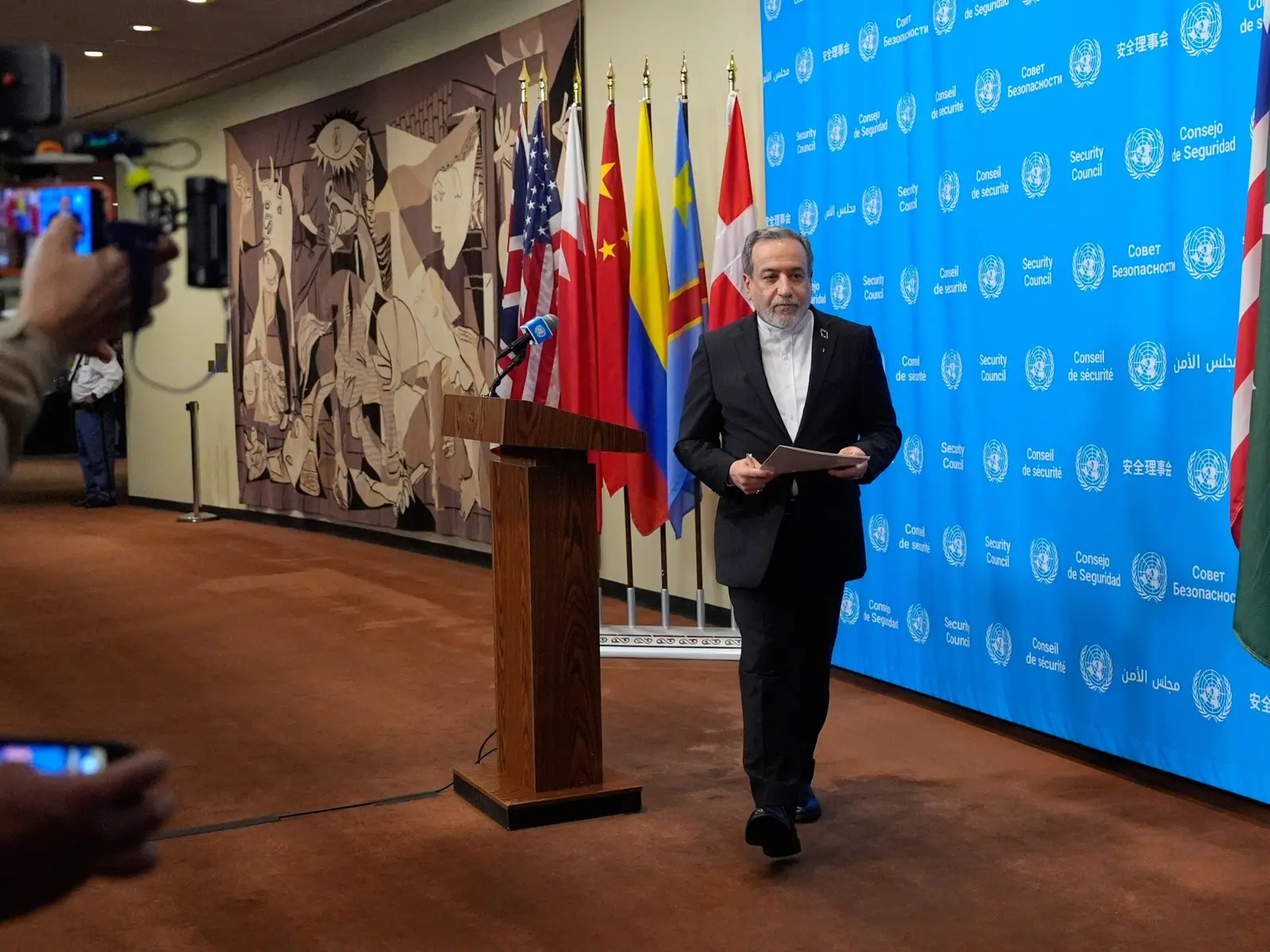
Tehran announced that a proposed seven‑day roadmap could reopen the Strait of Hormuz and restart nuclear negotiations if Washington accepts the offer. The statement was made on social media on Monday, with Iran urging the United States to respond promptly.
Latest news
 UN Expands Settlement Blacklist With 61 New Firms
 Labour Party Conference Signals New Leadership and Political Direction
 Trump Renames Vital Waterway in Social Media Post
 Blood Pressure Drop Can Shield the Brain
The plan, which Tehran claims would bring immediate relief to shipping lanes and reduce tensions in the region, hinges on U. S. agreement to cease hostilities and engage in diplomatic talks. Iran’s officials say the initiative is designed to create a rapid window for de-escalation and to address long‑standing security concerns.
The Strait of Hormuz, a critical chokepoint for global oil transport, has been closed to commercial traffic since the conflict escalated. Iran’s proposal includes a timetable for lifting the blockade within a week, contingent on U. S. acceptance. The reopening would restore vital trade routes and reduce economic pressure on the international community. Iran stresses that this step is essential for global energy stability and for preventing further escalation.
Will the United States Accept the Offer?
The central question remains whether Washington will agree to the terms. The U. S. has so far maintained a stance of cautious engagement, demanding clear evidence of Iran’s commitment to cease hostilities before any negotiations resume. Analysts note that the U. S. response will likely depend on the perceived credibility of Iran’s assurances and the broader geopolitical climate. A positive reply could lead to a swift de-escalation, while a negative one may prolong the conflict and keep shipping lanes closed.
The outcome will shape the region’s security dynamics and affect international oil markets. A U. S. acceptance could signal a shift toward diplomatic resolution, whereas a rejection may reinforce current tensions and maintain the status quo of uncertainty and risk for maritime trade.
Frequently Asked Questions
What is the main goal of Iran’s seven‑day roadmap? The plan aims to reopen the Strait of Hormuz and restart nuclear talks within a week, contingent on U. S. agreement.
Why is the Strait of Hormuz significant? It is a key maritime route for global oil shipments; its closure disrupts international trade and raises energy security concerns.
What could happen if the U. S. rejects the proposal? The conflict may continue, keeping shipping lanes closed and maintaining high tensions in the region, with limited progress toward diplomatic solutions.