How Does This Affect Japan’s Southwest Defense Strategy?
Koichi Genta, the newly inaugurated governor of Okinawa Prefecture, was arrested by U. S. authorities in Marina, USA, just days after assuming office, over an alleged killing incident. The arrest occurred on October 6, shortly after Genta began his term, sending shockwaves through regional political circles. Japanese officials confirmed the detention but provided limited details, citing ongoing investigations and jurisdictional complexities involving U. S. legal processes. The case has immediately cast a shadow over Genta’s administration and raised concerns about stability in Okinawa’s leadership.
Latest news
 Spain's Socialist Fault Lines Test Pedro Sanchez
 Far-Right AfD Seeks Control of Saxony-Anhalt State Parliament
 Fuel Prices Surge in Italy as Tax Cuts Expire, Hauliers Threaten Action
 Ray Dalio Warns of US Debt Crisis Within 3 Years
The alleged crime reportedly took place in Marina, California, where Genta was visiting or residing prior to his inauguration. Japanese media reports suggest the incident involved a confrontation that resulted in a fatality, though specific circumstances remain unclear. Tokyo has been pushing for enhanced defense coordination with Okinawa as part of its broader strategy to strengthen southwestern Japan’s military readiness amid rising regional tensions. Genta’s arrest threatens to disrupt these plans, as his role is pivotal in facilitating dialogue between local authorities and the national government on U. S. base presence and security policies.
Can Okinawa’s Government Function Without Its Governor?
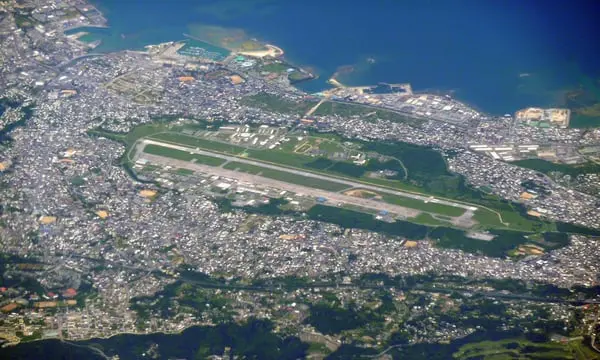
Okinawa hosts the majority of U. S. military installations in Japan and is central to Tokyo’s efforts to bolster defenses in the Ryukyu Islands, including missile deployments and surveillance upgrades. The governor’s office plays a key role in balancing local opposition to bases with national security objectives. With Genta now detained, Tokyo may face delays in gaining local cooperation for new defense initiatives. Analysts warn that prolonged uncertainty could embolden anti-base movements and complicate joint planning with Washington.
Under Japan’s Local Autonomy Law, if a governor is unable to perform duties due to detention or other causes, the vice governor assumes temporary authority. Okinawa’s vice governor has stepped in to manage routine affairs, but major policy decisions—especially those involving defense and base negotiations—may be stalled pending Genta’s legal outcome. The prefectural assembly has called for clarity, urging both Japanese and U. S. officials to respect due process while minimizing disruption to governance. Public sentiment remains divided, with some demanding accountability and others warning against prejudging the case before trial.
What charges is Koichi Genta facing? He is alleged to be involved in a killing incident in Marina, California, though formal charges have not been publicly disclosed by U. S. authorities as of October 6.
Frequently Asked Questions
How long could Genta remain in detention? That depends on the progression of the U. S. legal process; detention could last weeks or months if bail is denied or proceedings are delayed.
Will this affect U. S.-Japan security cooperation? Indirectly, yes—while the alliance remains intact, Okinawa-specific initiatives requiring local governor approval may face delays until leadership clarity is restored.