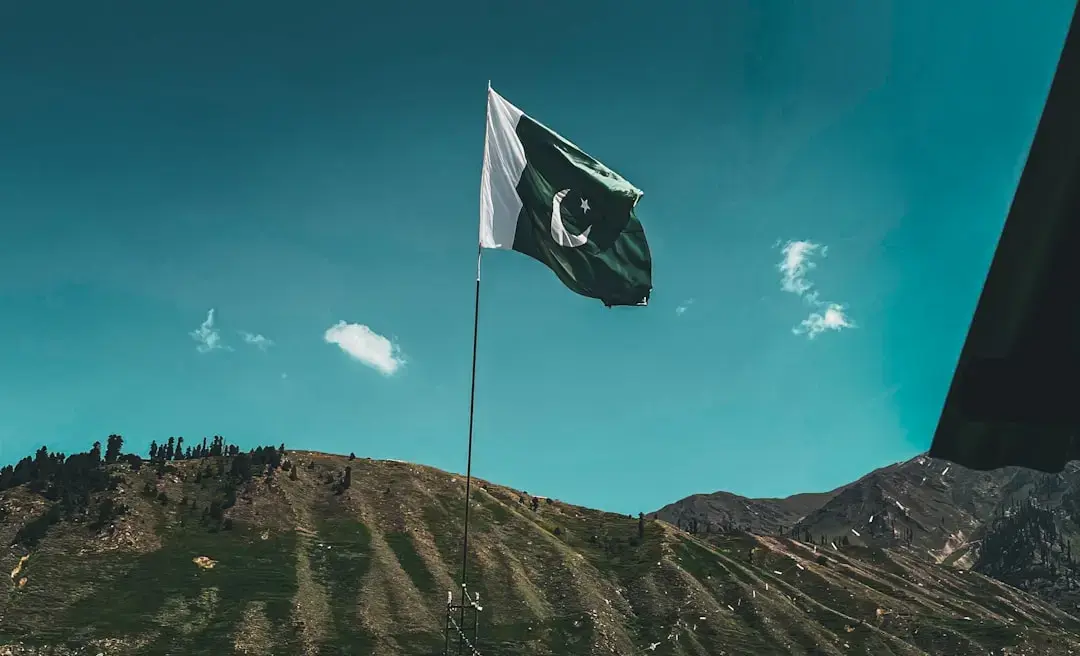
Can Pakistan Bridge the Divide Between Tehran and Washington?
Pakistan’s army chief has made a return visit to Iran as diplomatic efforts to revive stalled negotiations between Tehran and Washington show little progress. The move comes amid growing regional tensions and renewed interest in backchannel diplomacy. Pakistani officials suggest they could facilitate communication between the two adversaries, though skepticism remains about their actual leverage. The visit underscores Islamabad’s attempt to position itself as a mediator in a volatile geopolitical landscape.
Latest news
 Swedish Voters Choose New Parliament as Left-Wing Coalition Projects to Win Majority
 Trump Announces End of US Tariff on Irish Whisky
 Frances Stonor Saunders, Author of CIA Cultural Espionage Exposé, Dies at 66
 Israel and Lebanon to Hold Security Talks in Rome This October
The army chief’s trip follows months of deadlock in indirect talks aimed at reviving the 2015 nuclear deal, with both the U. S. and Iran accusing each other of inflexibility. Pakistan, sharing borders with both countries and maintaining ties to each, has long claimed a unique role in regional diplomacy. However, analysts question whether Islamabad possesses the strategic weight to influence either side meaningfully, especially given its own economic constraints and balancing act between Washington and Beijing.
Despite Islamabad’s assertions of neutrality and access, experts remain divided on its capacity to act as an effective intermediary. Some argue that Pakistan’s historical ties with Iran and its alliance with the U. S. provide a rare dual-channel advantage. Others contend that its influence is limited, particularly as Iran deepens cooperation with China and Russia, while the U. S. focuses on broader Indo-Pacific priorities. Past Pakistani mediation efforts have yielded mixed results, often stalling due to mistrust or shifting alliances.
What Are the Risks of Overestimating Islamabad’s Role?
There is concern that overreliance on Pakistan as a diplomatic conduit could lead to false expectations and delay more substantive engagement. Critics warn that without concrete incentives or enforcement mechanisms, any channel Islamabad offers may remain symbolic. Moreover, internal political instability in Pakistan and its military’s dominant role in foreign policy raise questions about the consistency and durability of its diplomatic initiatives. For now, the army chief’s visit signals intent more than impact, leaving the path to renewed talks uncertain. Frequently Asked Questions What specific role is Pakistan claiming in U. S.-Iran talks? Pakistan says it can provide a communication channel between Tehran and Washington, leveraging its relationships with both countries to facilitate dialogue.
Why do analysts doubt Pakistan’s influence in the negotiations? Experts argue that Pakistan’s limited economic and strategic leverage, combined with shifting regional alliances, reduces its ability to meaningfully influence either the U. S. or Iran.
What outcomes might result from Pakistan’s mediation efforts? While the initiative could keep communication open, past efforts suggest any progress would likely be modest and fragile without broader international backing or incentives.