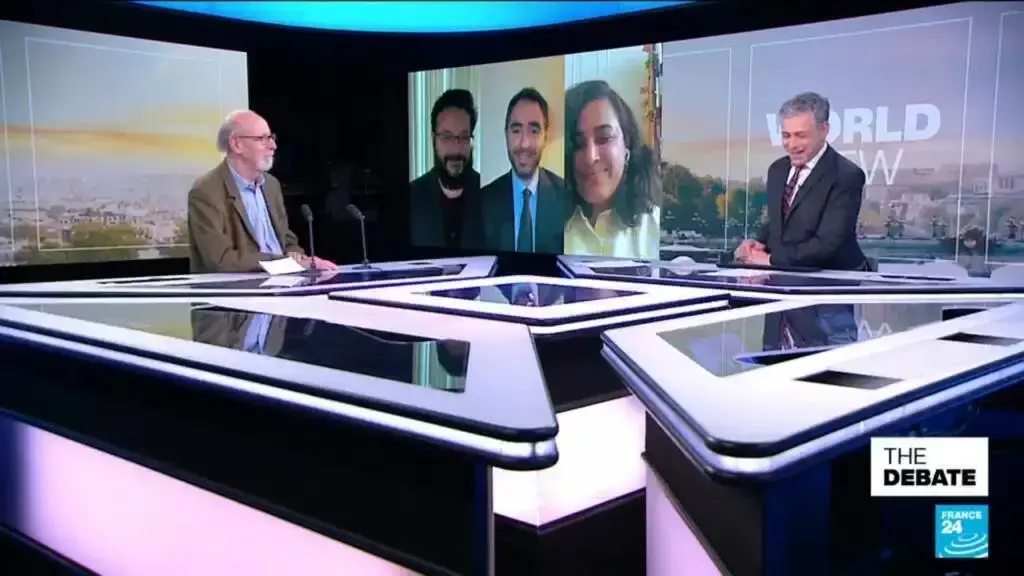
Balancing Act: Regional Implications
Pakistan finds itself a key player in potential talks. The United States and Iran could use Pakistan as a mediator. This comes amid differing views on Iran’s future. Some favor engagement, while others seek regime change.
Latest news
 Swedish Voters Choose New Parliament as Left-Wing Coalition Projects to Win Majority
 Trump Announces End of US Tariff on Irish Whisky
 Frances Stonor Saunders, Author of CIA Cultural Espionage Exposé, Dies at 66
 Israel and Lebanon to Hold Security Talks in Rome This October
The possibility of renewed US-Iran dialogue is gaining traction. Pakistan’s unique position allows it to connect with both nations. It maintains relatively stable relations with both Washington and Tehran. This makes it a potentially valuable intermediary. However, this role isn’t without significant risks and benefits for Pakistan itself.
Pakistan’s involvement stems from its long-standing ties in the region. It shares a border with Iran and has strategic interests in Afghanistan. A stable Iran is seen as crucial for regional security. Pakistan hopes to prevent further escalation and promote dialogue. Some analysts believe direct talks between the US and Iran are unlikely. Therefore, a third-party mediator like Pakistan becomes essential.
Can Pakistan Truly Neutralize Risk?
There are differing opinions on the best path forward for Iran. The US has traditionally pursued a policy of containment. Others advocate for a more diplomatic approach. Within Iran, factions exist with varying views on engagement with the West. Pakistan must navigate these complex dynamics carefully. It needs to ensure any mediation efforts are acceptable to all parties.
Taking on this role presents considerable challenges for Pakistan. It risks alienating either the US or Iran. Balancing the interests of both superpowers is a delicate task. Pakistan also faces internal pressures. Some groups within the country support closer ties with Iran. Others favor a stronger alignment with the United States.
Successfully mediating requires skillful diplomacy. Pakistan must build trust with both sides. It needs to demonstrate impartiality and a commitment to peaceful resolution. Failure to do so could damage its own regional standing. It could also exacerbate existing tensions. The potential benefits, however, are substantial. Successful mediation could enhance Pakistan’s international profile. It could also contribute to greater regional stability.
The future remains uncertain. The US and Iran have significant obstacles to overcome. However, Pakistan’s willingness to facilitate dialogue is a positive step. It could pave the way for a more constructive relationship between the two nations. The outcome will depend on the commitment of all parties to finding a peaceful solution.
Frequently Asked Questions
What is Pakistan’s primary motivation for mediating? Pakistan seeks regional stability and wants to prevent further conflict. A peaceful resolution between the US and Iran would benefit Pakistan’s own security interests. It also aims to strengthen its international standing as a responsible actor.
What are the biggest challenges Pakistan faces in this role? Balancing the competing interests of the US and Iran is the main challenge. Pakistan must avoid appearing biased towards either side. Internal political pressures and differing viewpoints within the country also complicate the situation.
Is direct US-Iran dialogue impossible without a mediator? While not entirely impossible, direct talks are currently unlikely. Years of mistrust and conflicting agendas make a third-party mediator like Pakistan extremely valuable. It can create a channel for communication and build confidence.