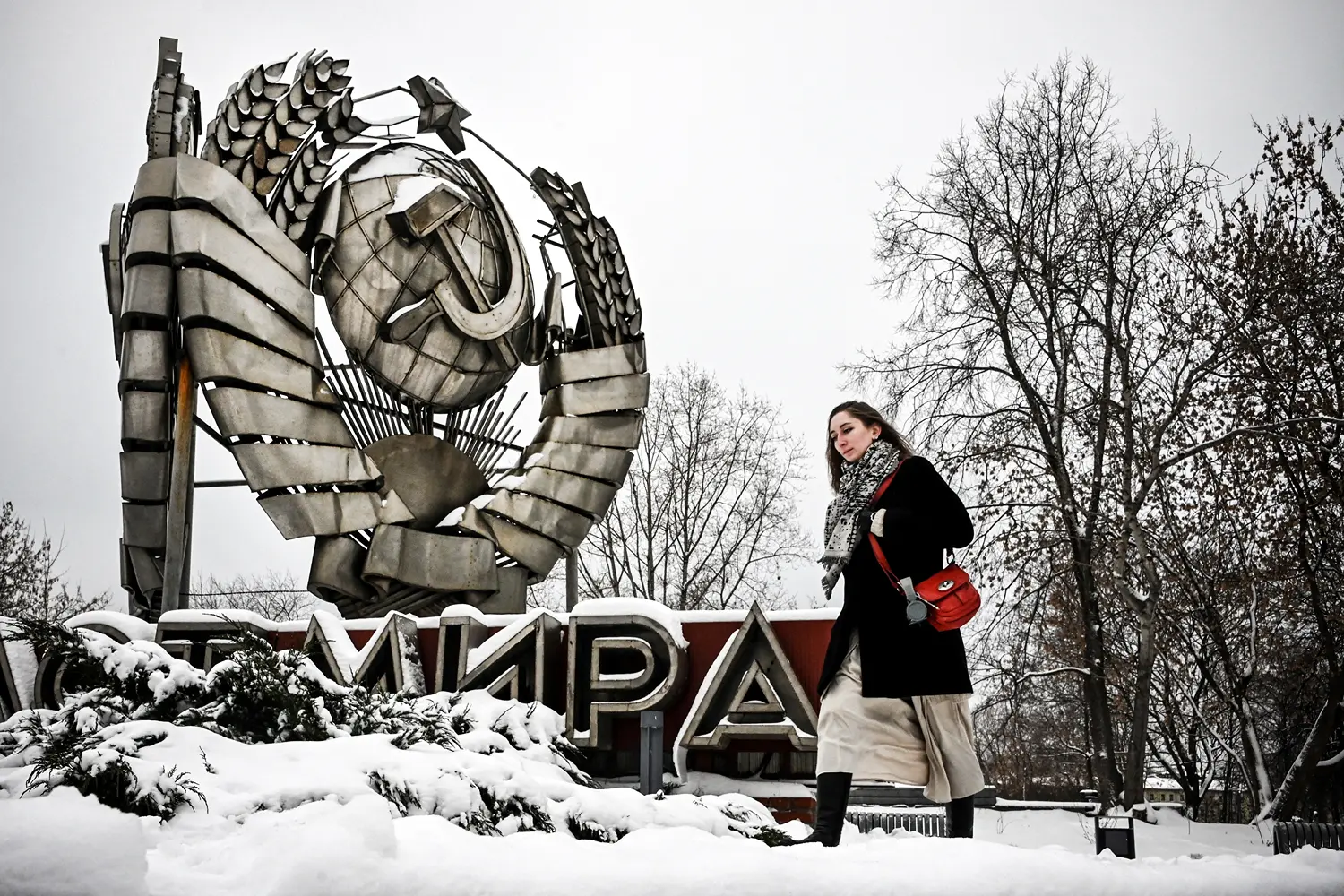
Why the Past Haunts Present Decisions
A growing group of geopolitical realists argues that Ukraine should surrender to Russia. Their reasoning is rooted in a deep, almost cultural attachment to the Soviet past. This nostalgia acts as a dead end for current diplomacy.
Latest news
 Trump: US to End Israel Aid as Midterm Vote Opens
 Turkey and South Korea Sign Nuclear Financing Pact
 Midterm Election Live Updates: Democrats Eye Senate Control
 Bank of Canada Chief Sees No Inflationary Pressure From Fiscal Plan Yet
These commentators believe that the former Soviet Union and its satellite states share a common cultural memory. That memory centers on a 1976 romantic comedy called The Irony of Fate. In the film, a Moscow surgeon gets drunk at a bathhouse on New Year’s Eve. He ends up on a plane to Leningrad. The story symbolizes the interconnectedness of Soviet cities.
The film is widely known across the region. It represents a shared identity that transcends modern borders. Realists point to this cultural bond as a reason for unity. They argue that Ukraine and Russia were once part of the same state. Therefore, they should remain aligned. This logic ignores the political changes since 1991.
Is Nostalgia a Strategic Advantage or a Trap?
The nostalgia for the Soviet era creates a cognitive bias. It makes it hard for these analysts to accept that the USSR is gone. They treat the past as if it still exists. This prevents them from seeing the current reality. Ukraine’s independence is a fact. Its sovereignty is recognized internationally. Yet the nostalgic view holds that this sovereignty is an artificial construct.
The trap lies in assuming that cultural memory equals political power. The Soviet Union dissolved over three decades ago. Economic structures have shifted. Military alliances have changed. Relying on a 1976 movie as a geopolitical framework is a stretch. It confuses sentiment with strategy.
Consequences of this thinking are significant. It delays realistic peace negotiations. It keeps Russia’s expectations high. It makes compromise harder. Ukraine must navigate these outdated arguments. The path forward requires letting go of the past. Only then can a durable peace be built.
Frequently Asked Questions
Why do some analysts reference a 1976 film in geopolitics? The film symbolizes the shared Soviet identity. It serves as a cultural shorthand for unity. It is used to argue that Russia and Ukraine are naturally one people.
Does Soviet nostalgia actually influence policy? Yes, it shapes the worldview of certain realists. It leads them to favor surrender over resistance. This biases their strategic recommendations.
What is the main flaw in this nostalgic reasoning? It mistakes cultural memory for political reality. The Soviet state no longer exists. Basing strategy on a defunct empire ignores current power dynamics.