Overwhelming Medical Response
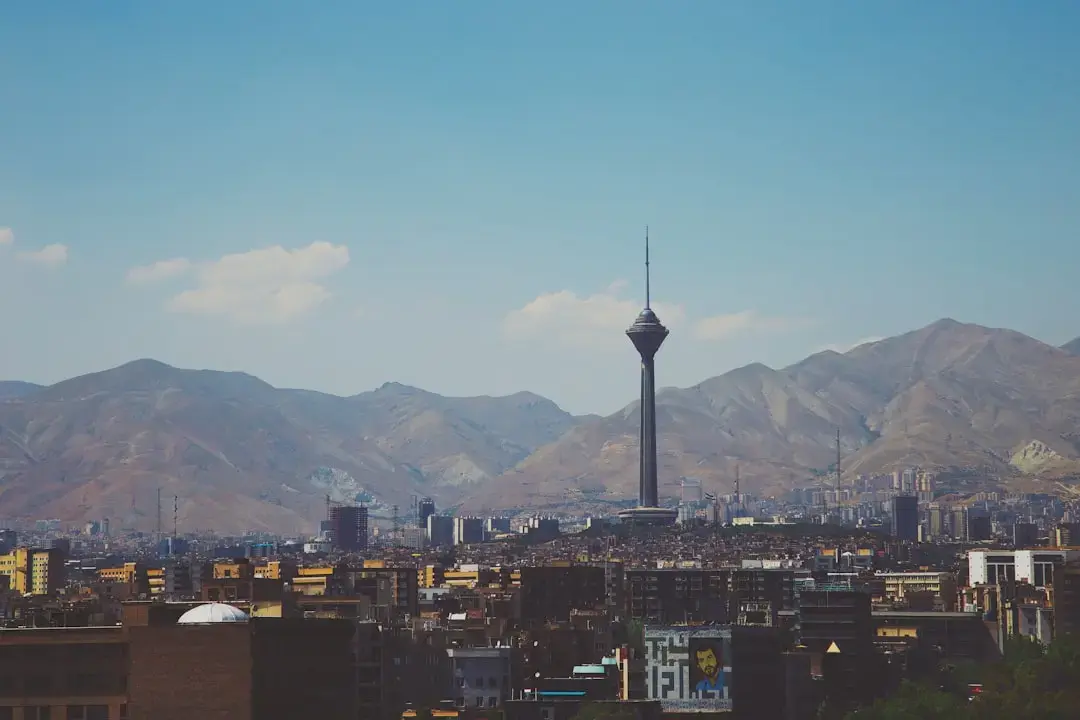
Nearly 50,000 individuals required medical attention during the recent funeral procession for Iran's former supreme leader in Tehran. State-affiliated media reported this significant number of people needing emergency care. The event drew massive crowds to the capital.
Latest news
 Swedish Voters Choose New Parliament as Left-Wing Coalition Projects to Win Majority
 Trump Announces End of US Tariff on Irish Whisky
 Frances Stonor Saunders, Author of CIA Cultural Espionage Exposé, Dies at 66
 Israel and Lebanon to Hold Security Talks in Rome This October
Iran's emergency services confirmed these figures to the ISNA news agency. A total of 48,804 people received treatment. This included three successful heart resuscitations, highlighting the intensity of the situation.
Approximately 18,000 people were treated as outpatients. Many others needed more extensive care. The sheer volume of attendees stretched medical resources. Emergency personnel worked tirelessly throughout the day.
What Caused So Many Medical Emergencies?
The large gathering presented significant logistical challenges. Medical teams were strategically placed along the procession route. They responded to a variety of health issues.
The high number of medical incidents can be attributed to several factors. Extreme heat conditions often affect large outdoor events. Overcrowding can also lead to fainting and other health problems. The emotional intensity of the funeral may have also played a role.
Frequently Asked Questions
Such mass gatherings frequently result in a surge of medical needs. Authorities typically prepare for these eventualities. However, the scale of this event was particularly demanding for healthcare providers.
What types of medical issues were most common? The report mentioned general emergency medical treatment and outpatient care. It also highlighted three successful cardiac resuscitations, suggesting a range of conditions from minor ailments to severe emergencies.
How did emergency services manage such a large number of patients? Emergency services deployed personnel and resources along the procession route. They set up treatment stations to handle the influx of patients, addressing various health concerns as they arose.