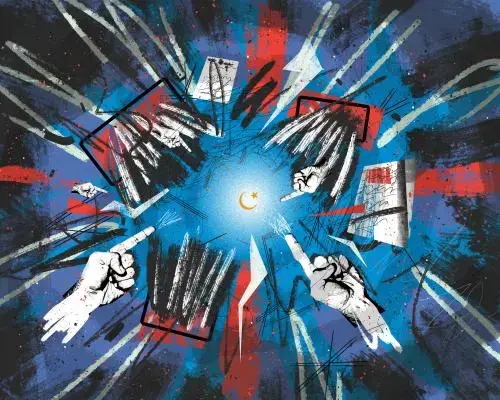
The Erosion of Balanced Political Commentary
A recent report has ignited a fierce debate regarding the editorial direction of Britain’s oldest political magazine. Critics argue that the publication has increasingly adopted a hostile stance toward the country's Muslim population. This shift has raised significant concerns about the normalization of inflammatory language in mainstream political discourse today.
Latest news
 Swedish Voters Choose New Parliament as Left-Wing Coalition Projects to Win Majority
 Trump Announces End of US Tariff on Irish Whisky
 Frances Stonor Saunders, Author of CIA Cultural Espionage Exposé, Dies at 66
 Israel and Lebanon to Hold Security Talks in Rome This October
The analysis suggests that the magazine’s coverage has moved away from traditional conservative debate. Instead, it appears to focus on portraying a specific minority group as a fundamental threat to national stability. Observers note that this pattern of reporting has become alarmingly frequent, effectively mainstreaming tropes that were previously relegated to the fringes of political conversation.
The report highlights how repetitive framing can desensitize readers to prejudice. By consistently positioning Muslim communities as an „other,”the publication allegedly fosters an environment where skepticism turns into outright intolerance. Critics point out that this journalistic approach prioritizes sensationalism over the nuanced analysis expected from a long-standing political institution.
Is This Shift Permanent for Legacy Media?
Many analysts argue that this trend undermines the magazine's historical reputation for intellectual rigor. When a legacy outlet adopts such a singular, aggressive focus, it shifts the boundaries of acceptable public debate. This creates a ripple effect, influencing how other media platforms handle sensitive topics regarding faith and integration.
The long-term consequences of this editorial strategy remain a subject of intense speculation. If mainstream outlets continue to platform divisive narratives, the social cohesion of the country may suffer. The normalization of such rhetoric makes it increasingly difficult to engage in constructive dialogue about the challenges facing a multicultural society.
Frequently Asked Questions
The outlook for the publication is uncertain as it faces mounting pressure from media watchdogs. Whether the magazine will address these concerns or double down on its current trajectory is yet to be seen. Ultimately, the debate underscores a broader, urgent need for accountability in how the press represents minority groups in modern Britain.
What are the primary concerns raised by the recent report? The report claims that the magazine frequently uses inflammatory language to frame Muslim communities as a threat. Critics argue this contributes to the normalization of prejudice in political discourse.
How has the magazine’s editorial tone changed over time? Observers suggest the publication has shifted from traditional conservative analysis to a more aggressive, exclusionary stance. This change has drawn sharp criticism for its impact on public perceptions of minority groups.