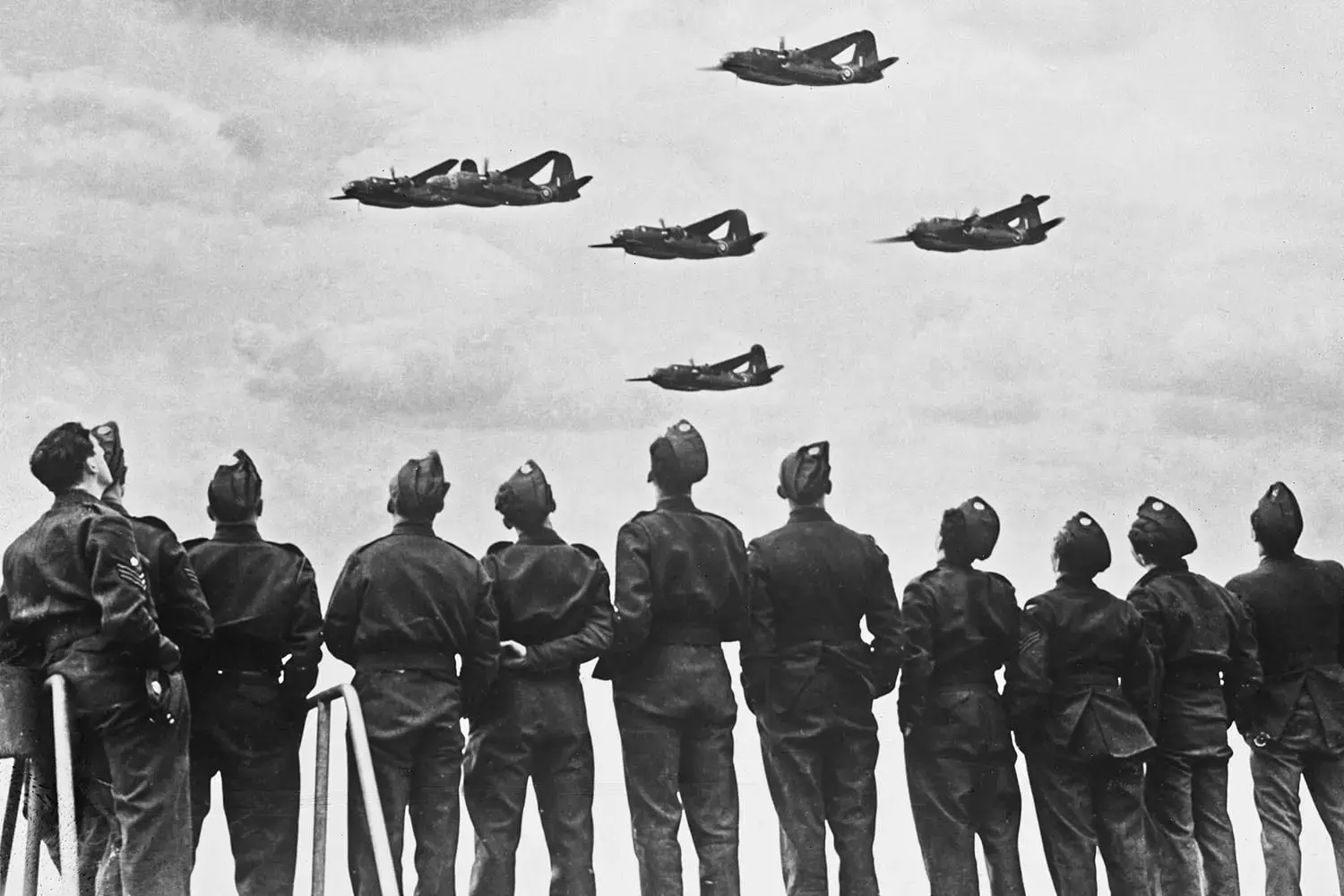
Economic Forces Shaping the Battlefield
The volume is physically large, mirroring the enormity of the events described. Such books often weigh heavily on both shelves and minds. The text explores the geopolitical maneuvers of 1942. It examines how energy resources influenced military strategy. The author connects economic factors to battlefield outcomes. This perspective offers fresh insight into the war’s dynamics. The writing style remains accessible despite the complex subject matter. Key figures from various nations appear throughout the chapters. Their decisions are analyzed for long-term consequences.
Latest news
 Swedish Voters Choose New Parliament as Left-Wing Coalition Projects to Win Majority
 Trump Announces End of US Tariff on Irish Whisky
 Frances Stonor Saunders, Author of CIA Cultural Espionage Exposé, Dies at 66
 Israel and Lebanon to Hold Security Talks in Rome This October
The book emphasizes the role of geoeconomics in 1942. Oil supplies dictated the movement of armies across continents. Industrial capacity determined which nations could sustain prolonged fighting. The author details how supply lines became critical vulnerabilities. Breakdowns in logistics led to significant strategic setbacks. Diplomatic negotiations were heavily influenced by resource availability. Nations traded raw materials for military equipment. These exchanges created complex web of alliances. The text argues that economic pressure was as decisive as firepower. Understanding this link reveals why certain campaigns failed. It also explains why others succeeded against odds. The analysis provides a modern lens for viewing past conflicts.
Why This Perspective Matters Today
Historians find value in revisiting 1942 through this new lens. The parallels to current global tensions are striking. Resource scarcity remains a central theme in international relations. The book suggests that economic resilience drives national power. Military strength alone does not guarantee victory. Sustainable production capabilities are equally important. Readers can apply these lessons to contemporary scenarios. The narrative avoids simple moral judgments. Instead, it presents a nuanced picture of competing interests. This balanced approach encourages critical thinking about history. It challenges common assumptions about the war’s turning points.
The release of this work adds depth to existing literature. It fills gaps left by earlier, narrower studies. Scholars will likely reference its economic analyses frequently. General audiences gain a clearer understanding of the era. The book’s length demands commitment but rewards patience. Its epic vision helps contextualize modern geopolitical debates. As new archives open, such comprehensive works become even more vital. They preserve the complexity of human conflict for future generations. The legacy of 1942 continues to shape our world today.