The offer is being communicated through backchannels as regional mediators
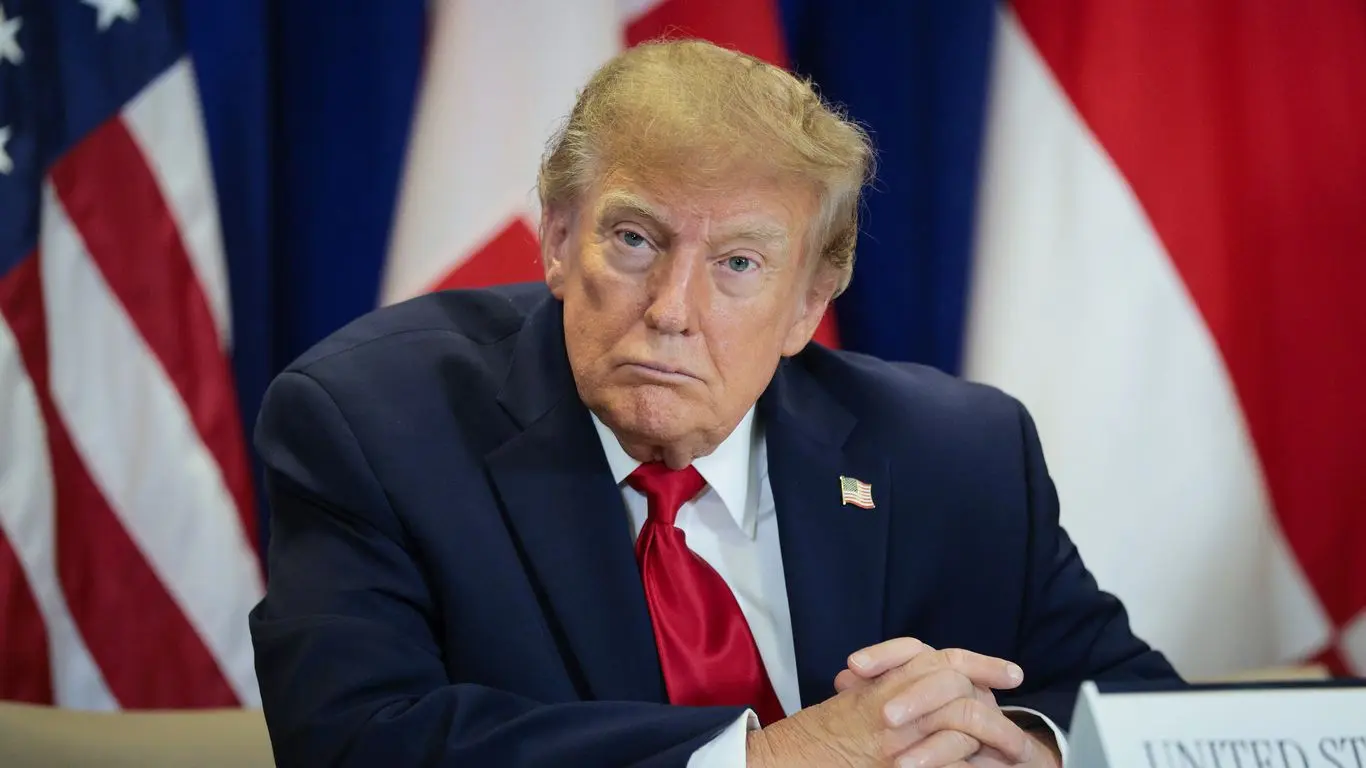
President Donald Trump is prepared to ease sanctions on Iran and release frozen Iranian assets in exchange for verifiable actions by Tehran to curb its nuclear program, according to U. S. officials. The offer comes amid renewed diplomatic efforts by Qatar and Pakistan to mediate between Washington and Tehran, aiming to prevent further escalation in their long-standing standoff. The proposal signals a potential shift in U. S. strategy, balancing pressure with incentives to bring Iran back to compliance with nuclear safeguards. The Trump administration’s approach reflects a conditional engagement strategy, where economic relief is tied directly to measurable, irreversible steps by Iran to limit uranium enrichment and allow expanded international inspections. U. S. officials emphasize that any sanctions relief would only follow concrete, verifiable actions—not promises—marking a departure from earlier rounds of diplomacy that relied on phased reciprocity.
Latest news
 US Officials Question Bail Decisions Following Security Breach at RAF Fairford
 Eighty-Seven-Year-Old Evicted Tenant Set to Return Home
 Argentina Threatens Legal Action Over Falklands Oil Drilling
 Rights Advocates Condemn Alleged Vietnamese Abductions
The offer is being communicated through backchannels as regional mediators intensify talks, seeking to revive dialogue after months of indirect communication and mutual distrust. What Specific Nuclear Concessions Is the U. S. Seeking? Washington is reportedly asking Iran to halt enrichment beyond 60% purity, stop installing advanced centrifuges, and grant the International Atomic Energy Agency broader access to suspect sites, including those linked to past nuclear activities. These demands go beyond the 2015 JCPOA limits but fall short of requiring full dismantlement, focusing instead on preventing rapid breakout capability. Officials say the goal is to create a verifiable buffer that would give the international community time to respond if Iran ever pursued a weapon. How Might Iran Respond to This Offer? Tehran has historically rejected linking sanctions relief to additional nuclear concessions beyond the JCPOA framework, insisting that U. S. compliance with the original deal must come first.
However, severe economic pressure from existing sanctions, combined with
However, severe economic pressure from existing sanctions, combined with internal challenges, may push Iranian leaders to consider a limited, step-for-step exchange if trust can be built. Analysts note that any agreement would require strong domestic political cover in both countries, making timing and sequencing critical to avoid accusations of weakness or betrayal. Frequently Asked Questions What frozen funds is the U. S. willing to release? The U. S. could release billions in Iranian oil revenues currently held in foreign accounts due to sanctions, though exact amounts and release mechanisms remain under discussion and would be tied to specific nuclear steps taken by Iran. Is this offer part of a new negotiations framework? No, officials describe it as a conditional incentive within existing diplomatic channels, not a formal restart of the JCPOA or a new treaty, but rather a test of whether practical, limited steps can break the current deadlock.
What happens if Iran does not comply? If Iran fails to deliver verifiable actions, the U. S. has indicated it would maintain or even strengthen sanctions, while continuing to pursue diplomatic engagement through intermediaries to keep communication channels open.