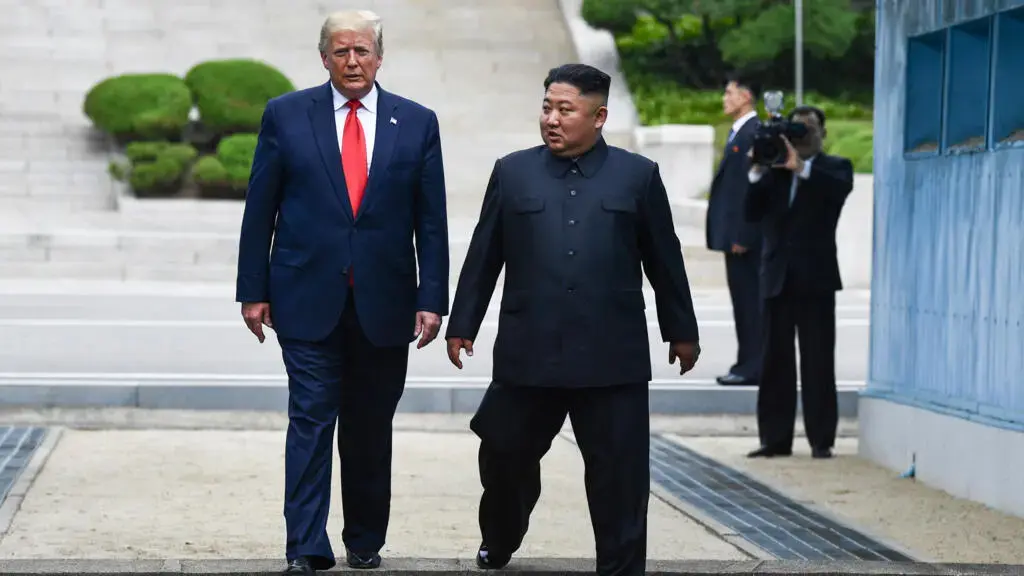
A Shift in Military Strategy
South Korea and the United States will shorten their annual joint military exercises from eleven days to five, effective immediately. This decision comes after President Donald Trump directed a significant decrease in American involvement in these drills.
Latest news
 Swedish Voters Choose New Parliament as Left-Wing Coalition Projects to Win Majority
 Trump Announces End of US Tariff on Irish Whisky
 Frances Stonor Saunders, Author of CIA Cultural Espionage Exposé, Dies at 66
 Israel and Lebanon to Hold Security Talks in Rome This October
The reduction was announced on Wednesday by officials from both countries. The scaled-back exercises will also include a reduction in certain field training activities. This move is seen as an effort to ease tensions on the Korean Peninsula and foster diplomatic relations with North Korea.
The decision to limit the duration of the drills reflects a broader strategy by the Trump administration. It aims to engage North Korea in dialogue while reducing military provocations that could escalate tensions. The administration believes that a less aggressive military posture might encourage North Korea to come to the negotiating table regarding its nuclear program.
What Does This Mean for Regional Security?
Critics argue that this reduction could undermine the readiness of US and South Korean forces. They contend that these exercises are crucial for maintaining military preparedness in the face of North Korean threats. However, supporters of the move assert that diplomacy should take precedence over military displays.
The implications of this decision extend beyond the immediate military landscape. Analysts are questioning how North Korea will react to this change. Will it perceive the reduction as a sign of weakness or an opportunity for dialogue?
The upcoming months will be critical in determining the impact of these changes. As both nations adjust their military strategies, the focus will likely shift toward diplomatic efforts. The hope is that this will lead to a more stable and peaceful environment on the Korean Peninsula.
The reduction in military exercises also raises concerns about the future of US-South Korea relations. While both nations remain committed to their alliance, the approach to security may evolve as they navigate new diplomatic channels.
Frequently Asked Questions
Why are the military exercises being reduced? The exercises are being shortened to promote diplomatic engagement with North Korea and reduce military tensions in the region.
What are the potential risks of this decision? Reducing military drills may impact the readiness of US and South Korean forces, raising concerns about their ability to respond to North Korean threats effectively.
How might North Korea respond to this change? North Korea's response is uncertain. It could view the reduction as a chance for dialogue or as a sign of weakness from the US and South Korea.