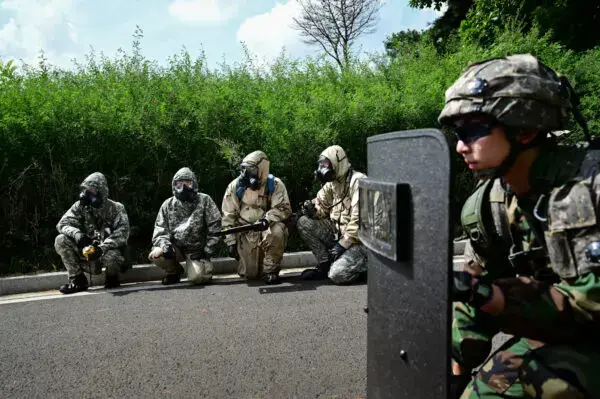
What Does This Mean for Military Readiness?
A recent directive from the Trump administration has led to a reduction in the scale of the Ulchi Freedom Shield military exercise. This decision, made just before the event, has sparked concerns about the implications for the military readiness of the South Korea-U. S. alliance.
Latest news
 Swedish Voters Choose New Parliament as Left-Wing Coalition Projects to Win Majority
 Trump Announces End of US Tariff on Irish Whisky
 Frances Stonor Saunders, Author of CIA Cultural Espionage Exposé, Dies at 66
 Israel and Lebanon to Hold Security Talks in Rome This October
The Ulchi Freedom Shield exercise is a significant joint military drill designed to enhance the operational capabilities of U. S. and South Korean forces. While the immediate military impact of scaling back the exercise may be limited, analysts warn that the decision sets a troubling precedent. It raises questions about the future of joint military preparedness in the face of regional threats.
The Ulchi Freedom Shield has historically been a crucial component of defense strategies against North Korea. By scaling back these drills, the U. S. may inadvertently undermine the deterrence posture that has been established over decades. Experts argue that joint exercises are vital for maintaining readiness and fostering cooperation between the two nations’ armed forces.
Is Diplomacy Driving Military Decisions?
The reduction in scope may also signal a shift in how military exercises are perceived within diplomatic negotiations. Some analysts believe that this could lead to military readiness becoming a bargaining chip in future discussions with North Korea. The potential normalization of reduced military drills could embolden adversaries and complicate the security landscape in Northeast Asia.
Critics of the decision suggest that the Trump administration may be prioritizing diplomatic efforts with North Korea over military preparedness. This approach raises concerns about whether the U. S. is willing to compromise its defense commitments to appease Pyongyang. The balance between diplomacy and military readiness is delicate, and missteps could have serious consequences.
Military officials have expressed concerns about the implications of this decision on troop morale and readiness. Joint exercises not only serve a tactical purpose but also strengthen alliances and build trust between nations. The long-term effects of reducing such exercises could lead to a diminished sense of security among South Korean forces.
The future of the South Korea-U. S. alliance hangs in the balance as these decisions unfold. If military readiness continues to be compromised for the sake of diplomacy, it could lead to increased tensions in the region. The effectiveness of the alliance in deterring threats from North Korea may also be called into question.
Frequently Asked Questions
What is Ulchi Freedom Shield? Ulchi Freedom Shield is a joint military exercise conducted by U. S. and South Korean forces aimed at enhancing their readiness to respond to potential threats, particularly from North Korea.
Why is scaling back the exercise concerning? Scaling back the exercise raises concerns about the military readiness of the South Korea-U. S. alliance and could set a precedent for future negotiations, potentially impacting deterrence strategies.
How might this affect relations with North Korea? Reducing military exercises could be perceived as a sign of weakness by North Korea, potentially emboldening its actions while complicating diplomatic efforts.