Swiss Mediation Hits a Roadblock
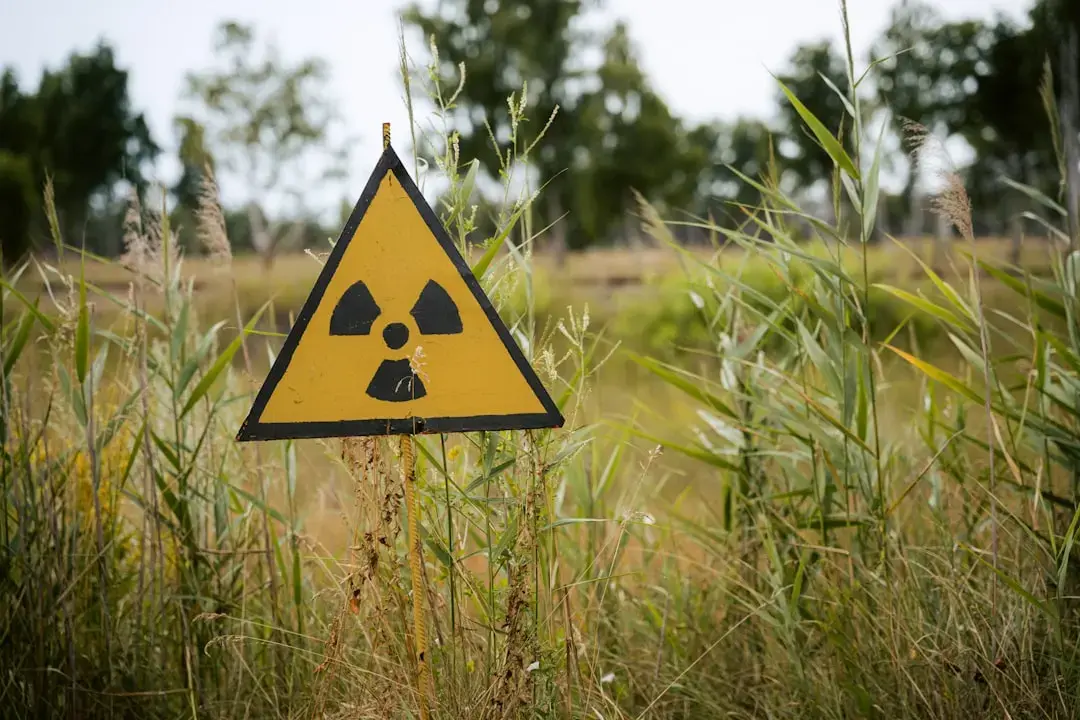
Washington and Tehran signed a limited nuclear agreement on June 9, 2026, aiming to ease sanctions in exchange for Iran’s nuclear concessions. The deal was supposed to be followed by a Swiss‑hosted meeting on June 18, but the talks were abruptly canceled, casting doubt on the next steps.
Latest news
 Saudi Arabia Declares Mecca Attack Attempt a Red Line as Houthis Deny Involvement
 Surrey Oil Drilling Project Sold After Supreme Court Rejection
 Union leaders urge bold action for Labour leader
 Wildfire Crisis Deepens as Federal Firefighter Shortage Plagues Summer Season
The agreement marked the first formal step toward a broader settlement of the Middle‑East conflict, but analysts warn it was never intended to be a final solution. The Swiss talks were meant to flesh out verification mechanisms and schedule further negotiations. Their cancellation suggests deep mistrust on both sides and a lack of consensus on key technical details. Without a clear roadmap, the fragile accord may unravel before it gains momentum.
Swiss officials announced the cancellation after confidential briefings revealed that Iranian delegates refused to discuss certain inspection protocols. U. S. diplomats reported that Tehran demanded additional concessions on economic relief, a demand the United States deemed premature. The Swiss team, acting as neutral facilitators, said they could not bridge the widening gap.
Will the Deal Recover Without Swiss Backing?
Analysts point to the abrupt end of the meeting as a warning sign. They note that the original accord was deliberately narrow, leaving many contentious issues unresolved. By postponing the follow‑up, both parties risk losing the diplomatic momentum that had built over months of secret talks. The failure also highlights the challenges of using a third‑party nation to manage high‑stakes negotiations, especially when core interests clash.
Observers question whether the United States and Iran can salvage the agreement without Swiss involvement. Some experts argue that Washington could appoint a new mediator, perhaps from Europe or the Gulf, to restart dialogue. Others contend that Iran may seek to renegotiate directly with the United States, bypassing the Swiss channel altogether.
The path forward will likely depend on domestic pressures in both countries. In Washington, lawmakers are watching the deal closely, ready to act if sanctions relief stalls. In Tehran, hardliners view any concession as a betrayal of national sovereignty. Until both sides find common ground on verification and relief, the accord remains vulnerable to further setbacks.
The early snag underscores the fragility of diplomatic breakthroughs in the region. If the parties cannot quickly resolve the procedural disputes, the agreement may dissolve, reigniting tensions and prolonging the stalemate that has plagued Middle‑East peace efforts for years.
Frequently Asked Questions
What caused the Swiss talks to be canceled? Swiss officials said Iranian delegates refused to discuss inspection protocols, while the United States balked at additional economic concessions, leading to an impasse.
Can the U. S.-Iran agreement survive without Swiss mediation? Experts are divided; some believe a new mediator could revive talks, while others think the loss of Swiss neutrality may doom the fragile accord.
What are the next steps for the parties involved? Both sides are expected to reassess their positions, possibly appoint new negotiators, and seek alternative venues to keep the broader settlement process alive.