The DOJ is reviewing internal communications and scheduling decisions to
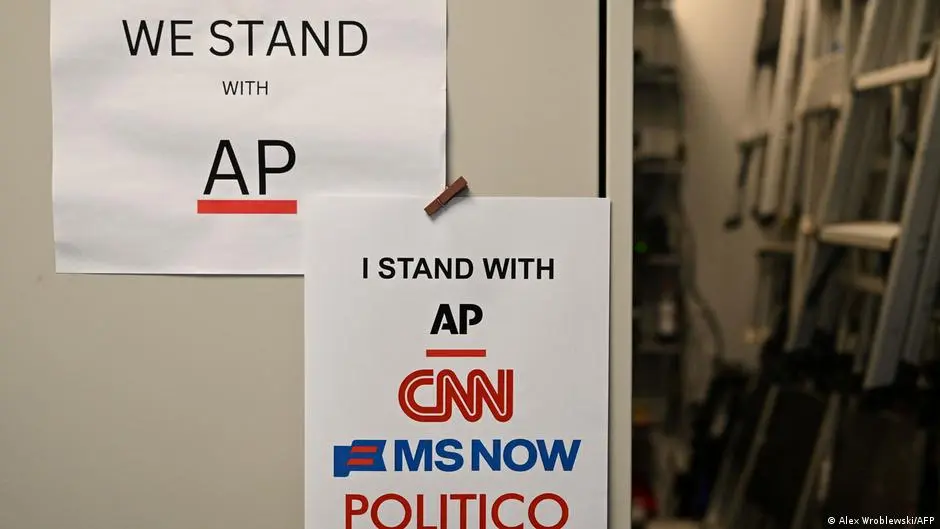
The U. S. Department of Justice has opened an antitrust investigation into five major news organizations for their collective decision to suspend coverage of former President Donald Trump in October 2026. The probe focuses on whether ABC, CBS, CNN, NBC News, and Reuters violated competition laws by coordinating a boycott of Trump’s press events. The action followed Trump’s repeated criticism of the media and his refusal to answer questions during briefings. Officials are examining whether the joint move constituted an illegal agreement to restrict access to news coverage. The investigation stems from a formal complaint filed by Trump’s legal team, alleging the outlets acted in concert to harm his ability to communicate with the public. Antitrust experts note that while news organizations have editorial independence, coordinated actions affecting market access could raise legal concerns under the Sherman Act.
Latest news
 Scientists Discover Brain Cells That Explain Why Cannabis Can Trigger Anxiety
 New Super-Ice Material Rivals the Strength of Concrete
 Housing Crisis Sparks Mass Marches in Lisbon
 Trump demands Ukraine hold elections, claims Zelenskyy failed to end war
The DOJ is reviewing internal communications and scheduling decisions to determine if there was an unlawful agreement. Neither the White House nor the Justice Department has commented publicly on the inquiry’s scope or timeline. What Legal Standards Apply to Media Boycotts Under Antitrust Law Legal scholars are divided on whether a press pool boycott qualifies as an antitrust violation. Some argue that news gathering is not a commercial market in the traditional sense, making antitrust application questionable. Others contend that if the boycott was designed to exclude a political figure from public discourse through coordinated action, it could be seen as a restraint on the flow of information. The DOJ has not yet defined the relevant market in its investigation, a key factor in determining liability.
Past cases involving media collusion have rarely succeeded under antitrust
Past cases involving media collusion have rarely succeeded under antitrust statutes, but this case could test new legal boundaries. Could This Investigation Affect Future Press Access Decisions The outcome of the DOJ’s review may influence how news organizations coordinate coverage of controversial public figures. If the investigation proceeds to enforcement, it could deter future collective actions by media outlets, even in cases of perceived bad faith. Conversely, a dismissal might reinforce the principle that editorial judgments, even when made collectively, lie outside antitrust jurisdiction. Either way, the case highlights growing tensions between political leaders and the press over access and accountability. Media lawyers warn that prolonged uncertainty could lead to more cautious, individualistic reporting strategies. Frequently Asked Questions Why is the DOJ investigating the news organizations for a press pool boycott?
The DOJ is examining whether the coordinated suspension of coverage violated antitrust laws by constituting an illegal agreement to restrict access to news. Which news outlets are included in the investigation? ABC, CBS, CNN, NBC News, and Reuters are the five organizations under review for their joint decision to suspend Trump coverage. What could happen if the DOJ finds a violation? If violations are found, the outlets could face legal penalties, though experts note such outcomes are rare in media-related antitrust cases.