What Trump's Energy Ceasefire Proposal Could Mean for Ongoing Talks
Ukrainian President Volodymyr Zelensky revealed this week that he learned about former U. S. President Donald Trump's surprise proposal for an energy-focused ceasefire with Russia through media coverage, rather than through official diplomatic channels. The comments came as Axios reported that an unnamed U. S. source confirmed Trump had discussed the idea with associates, suggesting a potential shift in approach to ending the war in Ukraine.
Latest news
 Global Economic Illusion Threatens Western Stability
 Major Wall Street Banks Deliver Third-Quarter Financial Results
 The Reality Check for the Artificial Intelligence Market
 Germany Shifts Stance on Chinese Trade Amid Rising Industrial Pressure
Zelensky's statement highlights the informal nature of Trump's outreach, which appears to bypass traditional diplomatic protocols. The Ukrainian leader emphasized that any meaningful negotiations must involve direct dialogue between Kyiv and Washington, underscoring the importance of established communication lines. Meanwhile, the Axios report suggests Trump's proposal centers on halting energy-related attacks, potentially including strikes on oil and gas infrastructure in both Ukraine and Russia. This approach would mark a departure from broader ceasefire discussions currently being mediated by various international parties.
The proposal, as described by Axios, focuses specifically on energy infrastructure rather than a comprehensive ceasefire. This narrow scope could appeal to both sides, as energy facilities have been frequent targets throughout the conflict. However, it also raises questions about whether such a limited agreement would provide lasting stability or simply pause hostilities in one sector while fighting continues elsewhere.
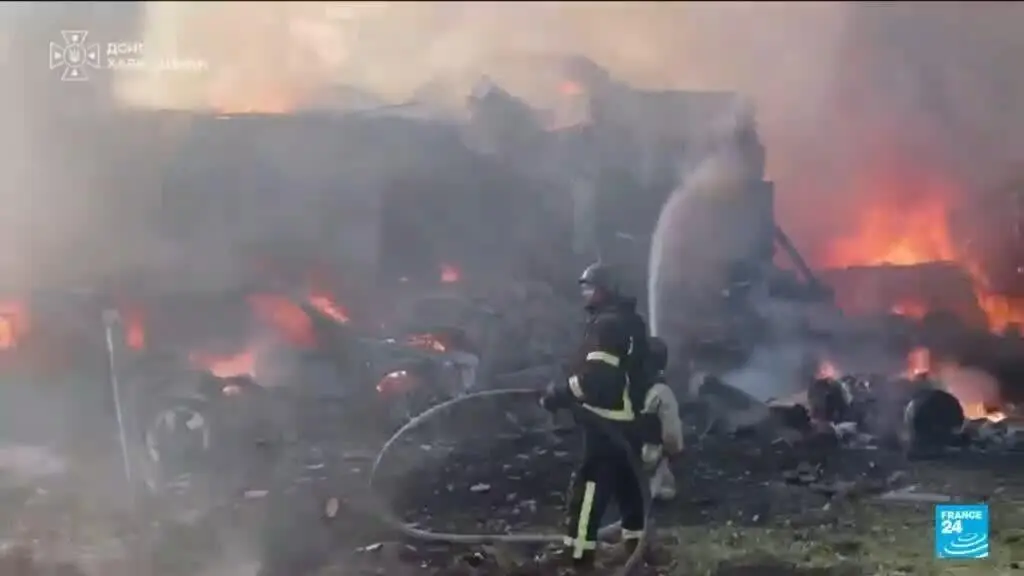
Ukraine has repeatedly targeted Russian energy assets in recent months, including oil refineries and pipeline infrastructure, as part of its broader military strategy. A ceasefire limited to energy sites could effectively shield these facilities from attack, potentially strengthening Russia's ability to fund its war effort through continued energy exports.
Current peace negotiations, facilitated by countries including Turkey, Poland, and others, have focused on humanitarian corridors, prisoner exchanges, and territorial disputes. Trump's energy-focused idea introduces a new dimension that hasn't been formally discussed in official talks.
How Might This Affect Current Diplomatic Efforts?
European allies have expressed cautious interest in any proposal that might reduce civilian casualties, particularly attacks on energy infrastructure that have left millions without power during winter months. However, they have also stressed that any agreement must respect Ukraine's sovereignty and territorial integrity.
The White House has not commented directly on the Axios report, though National Security Council representatives have previously emphasized that all ceasefire discussions must include Ukraine's participation and approval.
For now, the situation remains fluid, with no indication that formal negotiations based on Trump's proposal are imminent.
Did Trump officially propose this ceasefire?
Frequently Asked Questions
No official proposal has been submitted through diplomatic channels. The idea appears to have been discussed informally with associates, according to Axios.
What would an energy ceasefire cover?
It would likely involve halting attacks on oil refineries, gas pipelines, and other energy infrastructure in both Ukraine and Russia, though exact details remain unclear.
Is Ukraine willing to negotiate such an agreement?
President Zelensky has not ruled it out but stressed that any talks must happen through proper diplomatic channels with direct U. S.-Ukraine communication.