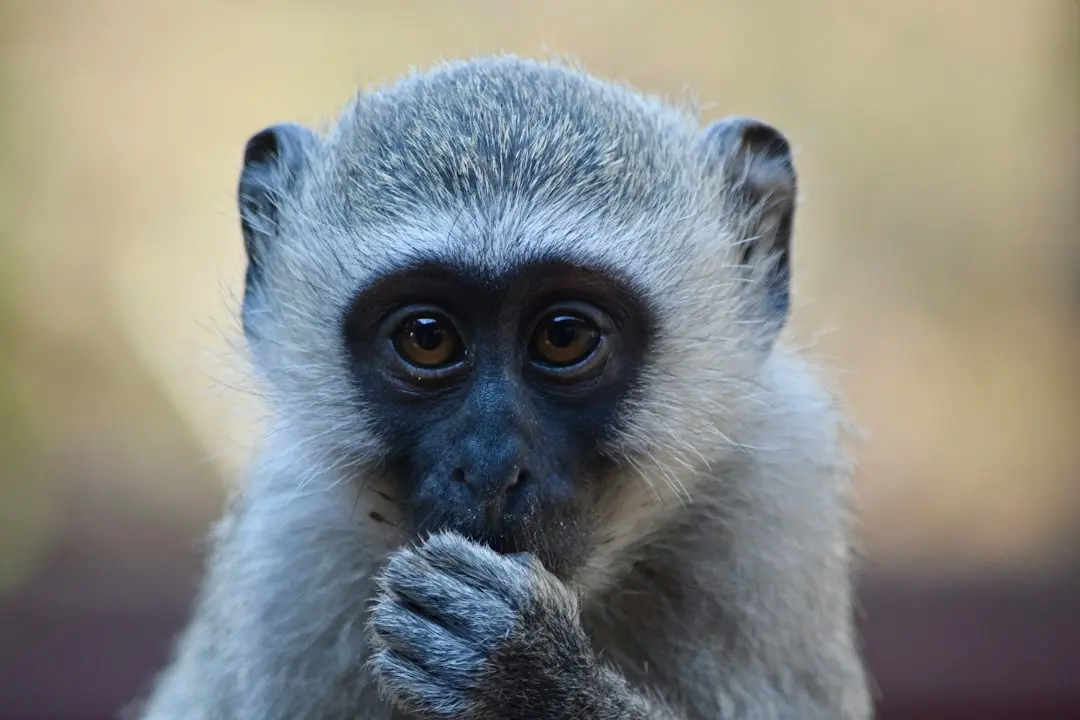
How Do Monkey Brains Respond to Aging Compared to Humans?
Scientists studying aging in African green monkeys have observed brain changes resembling those found in Alzheimer's disease, raising questions about the condition's uniqueness to humans. The research, conducted on Chlorocebus sabaeus primates, focused on natural aging processes in captive populations monitored over several years. Findings were reported in late September 2026, contributing to ongoing debates about whether Alzheimer's is exclusively a human disorder or shares biological roots with other primates.
Latest news
 G20 Trade Ministers Gather in Wisconsin Amid Tariff Tension
 Senate Democrats Unite to Push for West Bank Violence Report
 Sandino's Rebellion Against U.S. Occupation Begins in Nicaragua
 Diesel Surpasses Gasoline as Europe's Most Expensive Fuel
The study examined post-mortem brain tissue from aged monkeys, identifying accumulations of amyloid-beta plaques and tau protein tangles—hallmarks of Alzheimer's pathology in humans. While these changes were present, they appeared less severe and widespread than in human Alzheimer's cases. Researchers noted that cognitive decline in the monkeys did not always correlate directly with the level of brain changes, suggesting possible protective mechanisms or differences in disease progression. The animals showed no obvious behavioral symptoms of dementia during life, complicating direct comparisons to human Alzheimer's presentation.
Could Studying Monkeys Reveal Why Alzheimer's Affects Humans Differently?
Unlike humans, African green monkeys rarely develop severe cognitive impairment despite aging, even when Alzheimer's-like markers appear. Scientists speculate that differences in genetics, lifespan, or brain resilience may explain why the monkeys avoid full-blown dementia. The species has a shorter lifespan than humans, which might limit the time for pathology to advance to symptomatic stages. Researchers are now investigating whether protective factors in monkey brains could offer insights into preventing neurodegeneration in people.
By comparing the brains of aging monkeys with those of humans, scientists hope to pinpoint what triggers the transition from benign protein buildup to destructive disease. Early data suggest that inflammation responses or vascular health might play a key role in determining outcomes. If monkeys possess natural defenses against tau spread or amyloid toxicity, mimicking those mechanisms could inform future therapies. The study underscores the value of comparative primate research in understanding human-specific vulnerabilities.
Do African green monkeys get Alzheimer's disease? No, the monkeys do not develop Alzheimer's as seen in humans, though their brains show some similar molecular changes with age.
Frequently Asked Questions
Are the brain changes in monkeys identical to human Alzheimer's? The amyloid plaques and tau tangles observed resemble those in Alzheimer's but are generally less extensive and not consistently linked to cognitive decline.
Why study monkeys if they don't get dementia? Studying primates with partial Alzheimer's-like changes helps researchers identify factors that protect against or promote neurodegeneration, potentially revealing new treatment approaches.