How Do Daily Interactions Shape Emotional Well-Being Across Ages?
On the first day of school, children at the Logan Intergenerational Family Education Center in Kansas began their academic year in a building that also houses a nursing home. This unique setup, where an elementary school and long-term care facility operate under one roof, is part of a research initiative led by Kansas State University. Researchers are studying how daily interactions between young students and older adults affect well-being, social development, and emotional health across generations. Early observations suggest mutual benefits, including increased engagement and reduced feelings of isolation.
Latest news
 Indonesia Finance Chief Signals He’ll Stay Neutral Amid Prabowo’s Economic Push
 International Space Station Considered for Nobel Peace Prize
 Israeli Prime Minister Claims Flydubai Pilot Is Omani, U.S. Considers Deploying 10,000 Troops
 Europe Sees Surge in Data Center Jobs as Digital Demand Spikes
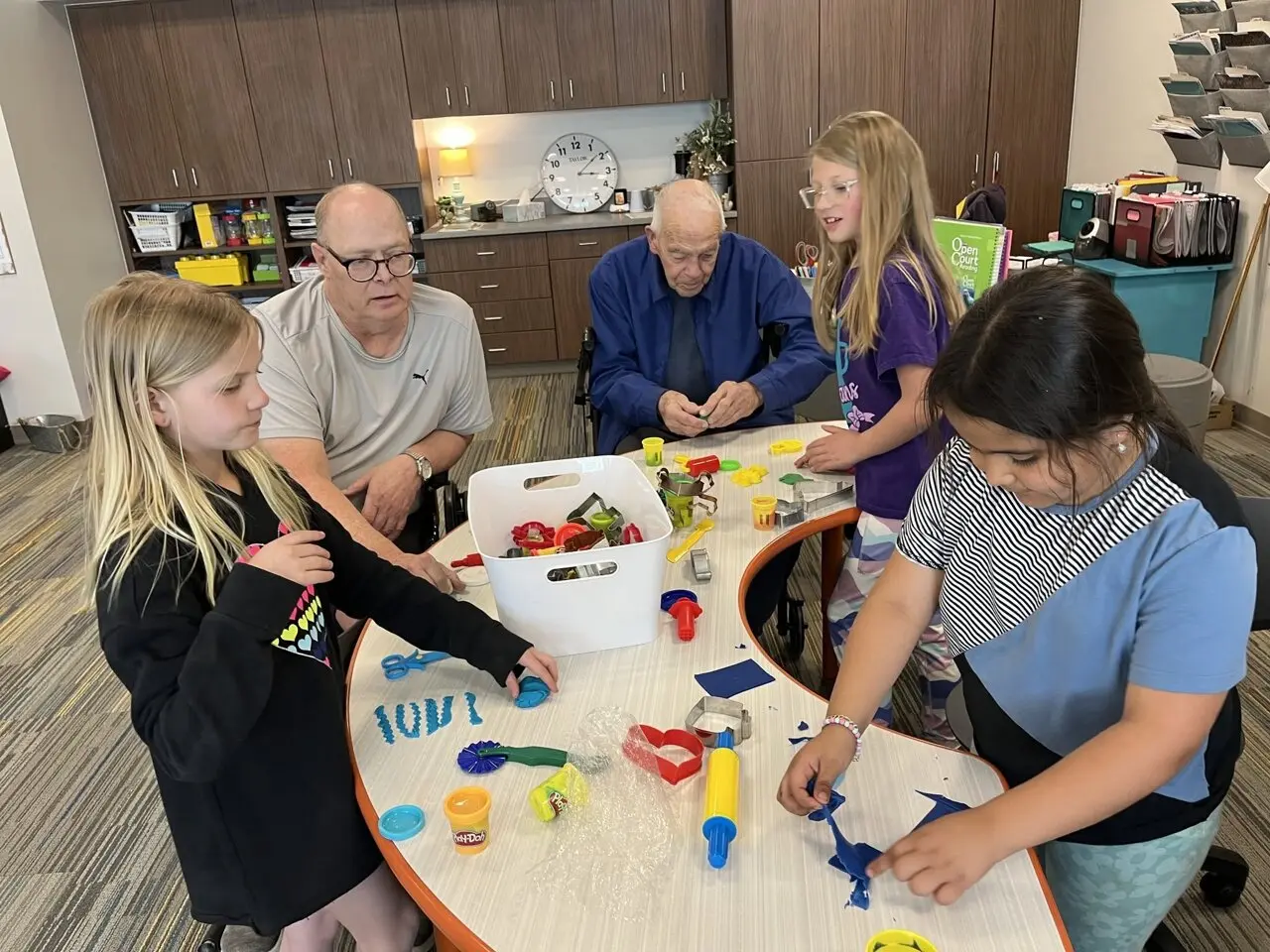
The Logan Center was designed to foster intergenerational connection through shared spaces like gardens, activity rooms, and dining areas. Children and residents participate in joint activities such as storytelling, art projects, and music sessions, facilitated by educators and care staff. Researchers note that these interactions encourage empathy in children while providing cognitive stimulation and companionship for seniors. Preliminary data indicate improved mood and increased verbal communication among nursing home residents during and after intergenerational programs. Teachers report that students show greater patience and awareness of aging-related challenges.
What Challenges Arise in Maintaining Safe, Meaningful Engagement?
Researchers are tracking behavioral changes through structured observations and staff feedback, focusing on emotional expression and social engagement. Early findings suggest that children develop stronger social skills when regularly interacting with older adults, particularly in understanding nonverbal cues and practicing active listening. For nursing home residents, especially those with limited family contact, the presence of children appears to stimulate memories and encourage participation in group activities. One caregiver noted that residents who were previously withdrawn began smiling and speaking more during weekly music sessions with students. The project emphasizes consistency, with scheduled interactions occurring several times per week to build familiarity and trust.
Balancing safety protocols with spontaneous interaction remains a key consideration, particularly given the health vulnerabilities of some nursing home residents. Researchers are working with facility staff to adapt activities for varying mobility and cognitive levels, ensuring inclusivity without compromising care standards. Training for educators includes aging awareness and communication techniques tailored to intergenerational settings. Logistical coordination, such as scheduling around medical routines and nap times, requires ongoing collaboration between school and care teams. Despite these hurdles, both institutions report strong commitment to the model, citing visible improvements in daily atmosphere and interpersonal connections.
How often do children and nursing home residents interact at the Logan Center? Interactions occur several times per week through structured activities like art, music, and storytelling, designed to be consistent and meaningful for both age groups.
Frequently Asked Questions
What measures are in place to ensure the safety of nursing home residents during shared activities? Staff supervise all interactions, activities are adapted to individual health needs, and protocols follow both educational and healthcare safety guidelines to protect vulnerable residents.
Are there plans to expand the intergenerational model to other facilities? Kansas State University researchers are evaluating outcomes to assess scalability, with interest expressed by other communities seeking to replicate the Logan Center’s approach.