Viral Link to Parkinson's Explored
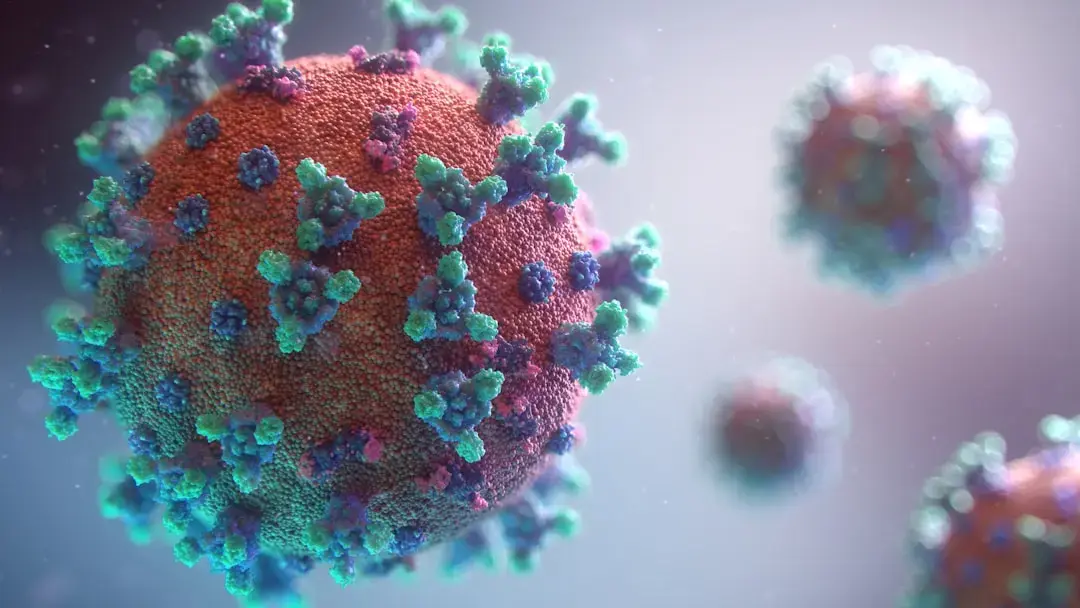
New research suggests a common virus could be a factor in developing Parkinson's disease. Scientists observed mice exposed to the virus developed brain damage resembling the human condition. This discovery supports a long-held theory about the origins of Parkinson's.
Latest news
 Swedish Voters Choose New Parliament as Left-Wing Coalition Projects to Win Majority
 Trump Announces End of US Tariff on Irish Whisky
 Frances Stonor Saunders, Author of CIA Cultural Espionage Exposé, Dies at 66
 Israel and Lebanon to Hold Security Talks in Rome This October
The study focused on how viral infections might impact specific brain cells. It offers new insights into the complex causes of neurodegenerative diseases.
Parkinson's disease is known to attack the substantia nigra, a brain region crucial for movement. The hypothesis is that certain viruses can destroy key neurons in this area. This neuronal loss could then increase a person's susceptibility to the disease. The recent mouse study provides compelling evidence for this connection.
What Does This Mean for Human Health?
Researchers carefully monitored the mice after viral exposure. They documented the progressive damage to brain cells. The patterns of damage mirrored those seen in human Parkinson's patients.
This finding opens new avenues for understanding Parkinson's. It suggests that viral infections might not just cause temporary illness. They could also have long-term neurological consequences. Further research is needed to confirm if these findings translate directly to humans. If so, it could lead to new prevention strategies or treatments. The study highlights the intricate relationship between viral exposure and brain health.
Frequently Asked Questions
What part of the brain is affected by Parkinson's disease? Parkinson's disease primarily affects the substantia nigra. This area is vital for controlling movement and is where key neurons are lost.
Can a common virus directly cause Parkinson's? The research suggests a common virus can trigger brain damage similar to Parkinson's in mice. It indicates a potential contributing factor, but more human studies are needed to confirm a direct causal link.
What are the potential implications of this research? This research could lead to a better understanding of Parkinson's origins. It might also inform new approaches for prevention or treatment, especially concerning viral infections.