Rethinking Conservation: The Indigenous Perspective
Scientists are urging a new approach to biodiversity conservation, one that incorporates the traditional practices of Indigenous Peoples. A recent study published in the journal BioScience makes the case for integrating these methods into existing conservation frameworks.
Latest news
 Swedish Voters Choose New Parliament as Left-Wing Coalition Projects to Win Majority
 Trump Announces End of US Tariff on Irish Whisky
 Frances Stonor Saunders, Author of CIA Cultural Espionage Exposé, Dies at 66
 Israel and Lebanon to Hold Security Talks in Rome This October
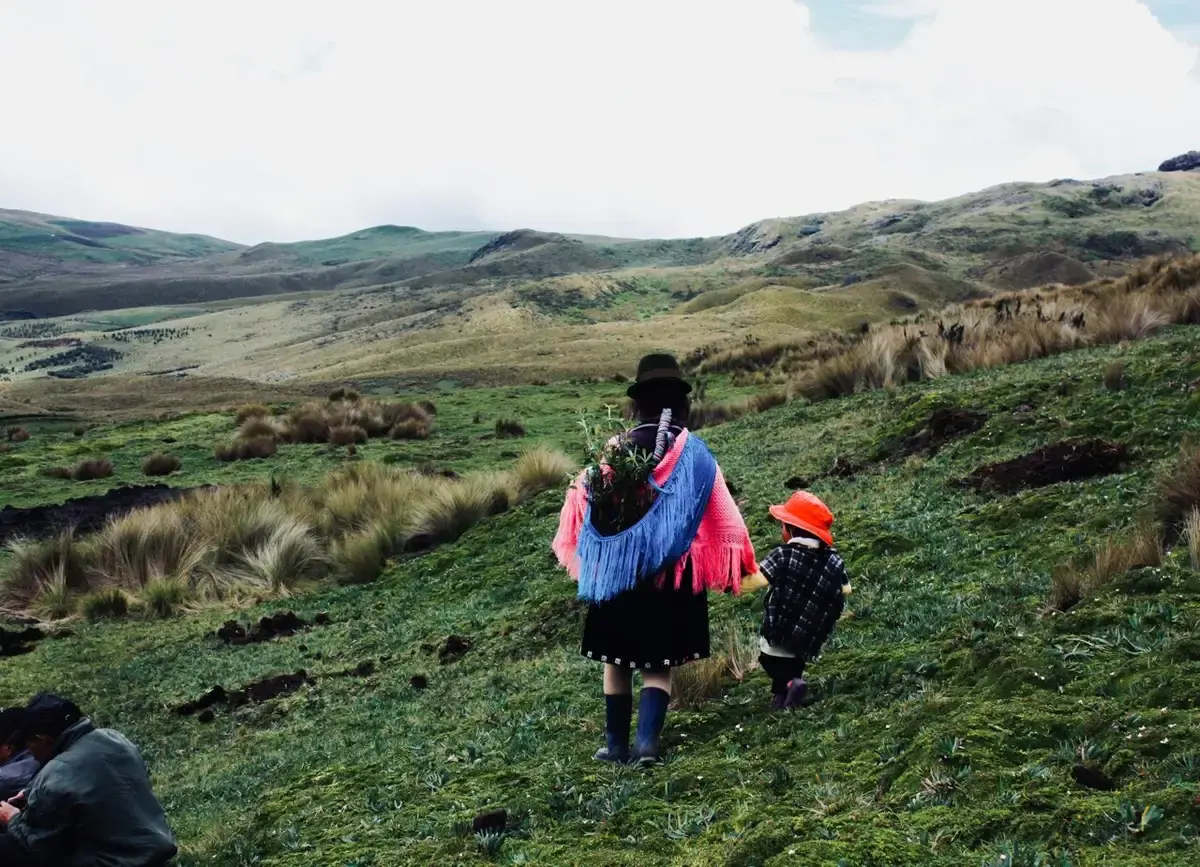
The authors argue that Indigenous Peoples have long played a crucial role in maintaining ecosystem health through their stewardship practices. By combining traditional knowledge with modern conservation techniques, it is possible to create more effective and sustainable conservation strategies.
The study highlights the importance of recognizing the rights and roles of Indigenous Peoples in conservation efforts. By doing so, conservation initiatives can tap into the wealth of traditional knowledge and practices that have been used to manage ecosystems for centuries. This approach can lead to more nuanced and effective conservation strategies.
Can Conservation Truly be Effective Without Indigenous Input?
The authors note that Indigenous Peoples have a deep understanding of the complex relationships within ecosystems, gained through generations of observation and interaction. By incorporating this knowledge into conservation frameworks, it is possible to develop more targeted and effective conservation efforts.
The failure to incorporate Indigenous stewardship practices into conservation efforts can have significant consequences. It can lead to the loss of biodiversity, as well as the erosion of traditional knowledge and cultural heritage. By contrast, collaborative conservation efforts that involve Indigenous Peoples can help to preserve ecosystem health and promote cultural understanding.
As the world grapples with the challenges of biodiversity loss and ecosystem degradation, it is clear that a new approach to conservation is needed. By embracing Indigenous stewardship practices and incorporating them into conservation frameworks, it is possible to create a more sustainable and effective conservation paradigm.
Frequently Asked Questions
What is Indigenous stewardship? Indigenous stewardship refers to the traditional practices and knowledge used by Indigenous Peoples to manage and conserve ecosystems. These practices are often based on a deep understanding of the complex relationships within ecosystems.
Why are Indigenous Peoples important to conservation efforts? Indigenous Peoples have a crucial role to play in conservation efforts, as they possess traditional knowledge and practices that can inform and enhance modern conservation techniques.
How can Indigenous stewardship practices be integrated into conservation frameworks? By recognizing the rights and roles of Indigenous Peoples in conservation efforts, and working collaboratively to develop conservation strategies that incorporate traditional knowledge and practices.