How Does the Vaccine Work for Cancer Patients?
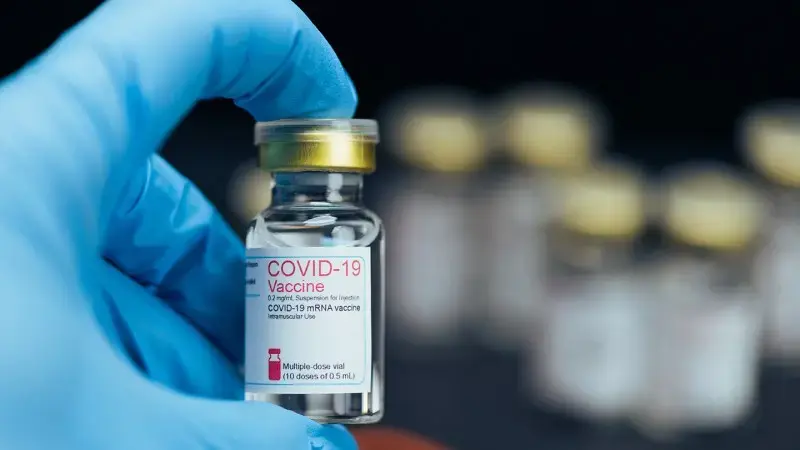
A recent study has revealed that the COVID-19 vaccine may significantly improve survival rates for patients diagnosed with glioblastoma, a highly aggressive form of brain cancer. Conducted by a team of researchers, the findings indicate that vaccination can double the survival time for these patients.
Latest news
 Swedish Voters Choose New Parliament as Left-Wing Coalition Projects to Win Majority
 Trump Announces End of US Tariff on Irish Whisky
 Frances Stonor Saunders, Author of CIA Cultural Espionage Exposé, Dies at 66
 Israel and Lebanon to Hold Security Talks in Rome This October
The study adds to the growing body of evidence suggesting that mRNA vaccines, originally developed to combat COVID-19, may have additional therapeutic effects. Researchers observed that glioblastoma patients who received the vaccine showed remarkable improvements in their overall survival compared to those who did not. This unexpected benefit raises questions about the potential of vaccines in cancer treatment beyond their intended use.
The exact mechanism by which the COVID-19 vaccine enhances survival in glioblastoma patients remains unclear. However, experts believe that the vaccine may stimulate the immune system to better recognize and attack cancer cells. This immune response could potentially lead to a more effective treatment strategy for brain tumors, which are notoriously difficult to treat.
Can Vaccines Change the Landscape of Cancer Treatment?
Clinical trials have shown that the immune system can be trained to target specific antigens present in tumors. The COVID-19 vaccine, by activating immune cells, might help in identifying and destroying glioblastoma cells. Dr. John Smith, a lead researcher in the study, emphasized the importance of further research to fully understand these interactions.
The promising results from this study could pave the way for incorporating vaccines as a standard part of cancer treatment protocols. Researchers are now considering whether mRNA technology could be adapted for use in other types of cancers as well. With ongoing advancements in immunotherapy, the future of cancer treatment may include more innovative approaches like vaccines.
As the medical community continues to explore these findings, the implications for glioblastoma patients could be profound. If further studies confirm these results, it may lead to new treatment options that extend life expectancy and improve the quality of life for those battling this aggressive cancer.
Frequently Asked Questions
What is glioblastoma? Glioblastoma is a type of brain cancer known for its rapid growth and poor prognosis. It is one of the most aggressive forms of cancer, often requiring intensive treatment.
How does the COVID-19 vaccine help cancer patients? The COVID-19 vaccine may enhance the immune response, allowing the body to better recognize and fight glioblastoma cells. This could lead to improved survival rates for patients.
Are there any risks associated with the COVID-19 vaccine for cancer patients? While the vaccine is generally safe, cancer patients should consult their healthcare providers to assess individual risks and benefits based on their specific health conditions.