The Rise and Fall of Resistance Leaders
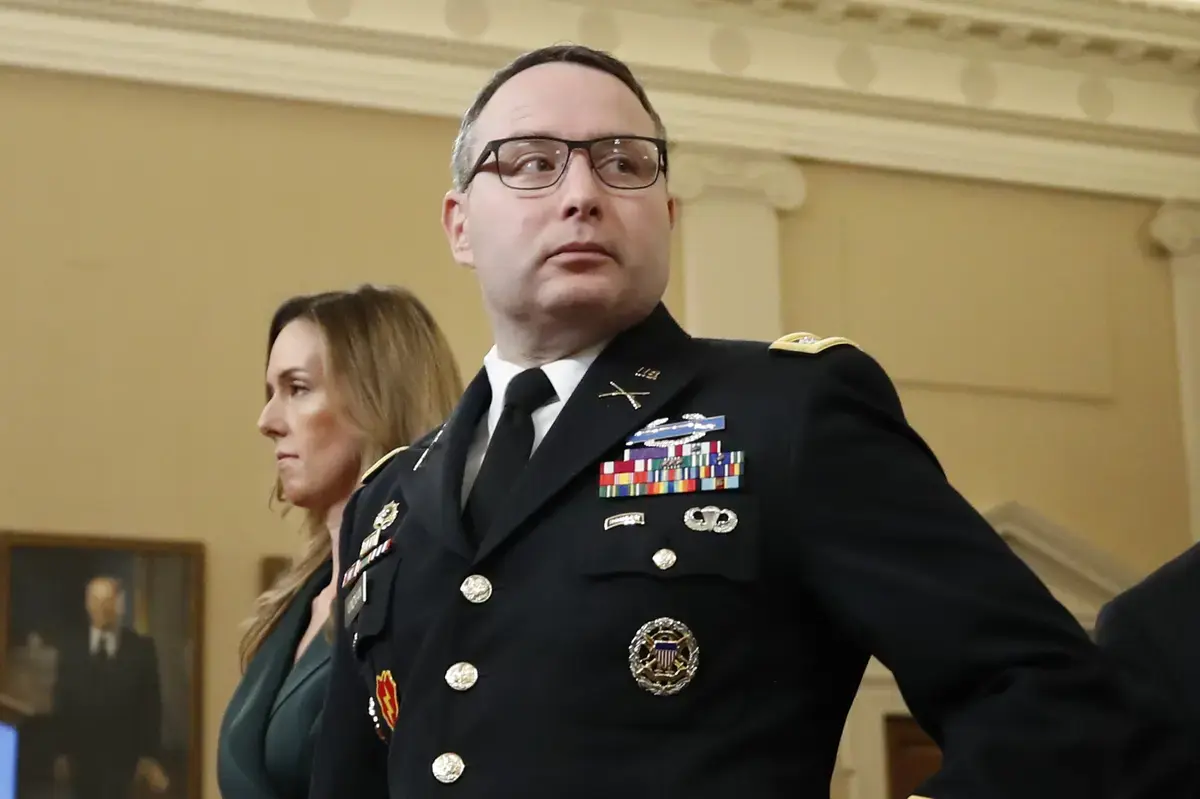
Alexander Vindman, a prominent figure during Donald Trump’s first term, lost his Senate primary in Florida on Tuesday. This defeat highlights the ongoing challenges faced by Democrats who gained prominence during the impeachment proceedings against Trump. Vindman, known for his testimony during the impeachment trials, represented a wave of Democratic leaders who emerged in response to Trump’s presidency. However, as the political landscape shifts, many of these figures are finding it difficult to maintain their influence in primaries. The loss signals a broader trend of resistance leaders struggling to connect with voters in the current political climate.
Latest news
 Swedish Voters Choose New Parliament as Left-Wing Coalition Projects to Win Majority
 Trump Announces End of US Tariff on Irish Whisky
 Frances Stonor Saunders, Author of CIA Cultural Espionage Exposé, Dies at 66
 Israel and Lebanon to Hold Security Talks in Rome This October
During Trump's first term, figures like Vindman became symbols of accountability and integrity. Their rise was fueled by public outrage over the administration's actions. Yet, as the political environment evolves, these leaders face increasing scrutiny and competition within their own party. Many voters are now looking for candidates who can address pressing local issues rather than focusing solely on national controversies.
In a statement following his loss, Vindman expressed disappointment but emphasized the importance of continuing the fight for democratic values. „While this is a setback, the work to uphold our principles must go on,”he said. This sentiment reflects a broader struggle among Democrats to find a balance between national issues and local concerns.
What Does This Mean for Future Primaries?
The defeat of high-profile Democrats like Vindman raises questions about the future of the party. Are voters moving away from the resistance narrative? Analysts suggest that many Democrats may need to adapt their messaging to resonate with constituents. The focus may need to shift from national resistance to local engagement.
As the 2024 elections approach, the Democratic Party faces critical decisions. Leaders must consider how to unify their base while appealing to a broader electorate. The challenge lies in finding candidates who can bridge the gap between national issues and local priorities.
The consequences of these primary losses could be significant. If resistance figures continue to struggle, it may lead to a shift in the party's strategy. Democrats might need to rethink their approach to campaigning and candidate selection.
Frequently Asked Questions
Why did Alexander Vindman lose his primary? Vindman lost his Senate primary due to a combination of factors, including changing voter priorities and increased competition within the Democratic Party.
What does this mean for other resistance figures? The loss indicates that other Democratic leaders who rose during the Trump administration may also face challenges in upcoming primaries, as voters seek candidates who address local issues.
How might this impact the Democratic Party's strategy? The Democratic Party may need to adapt its messaging and candidate selection to better connect with voters, focusing on local concerns rather than solely national resistance themes.