Outbreak Expands Into Previously Unaffected Provinces
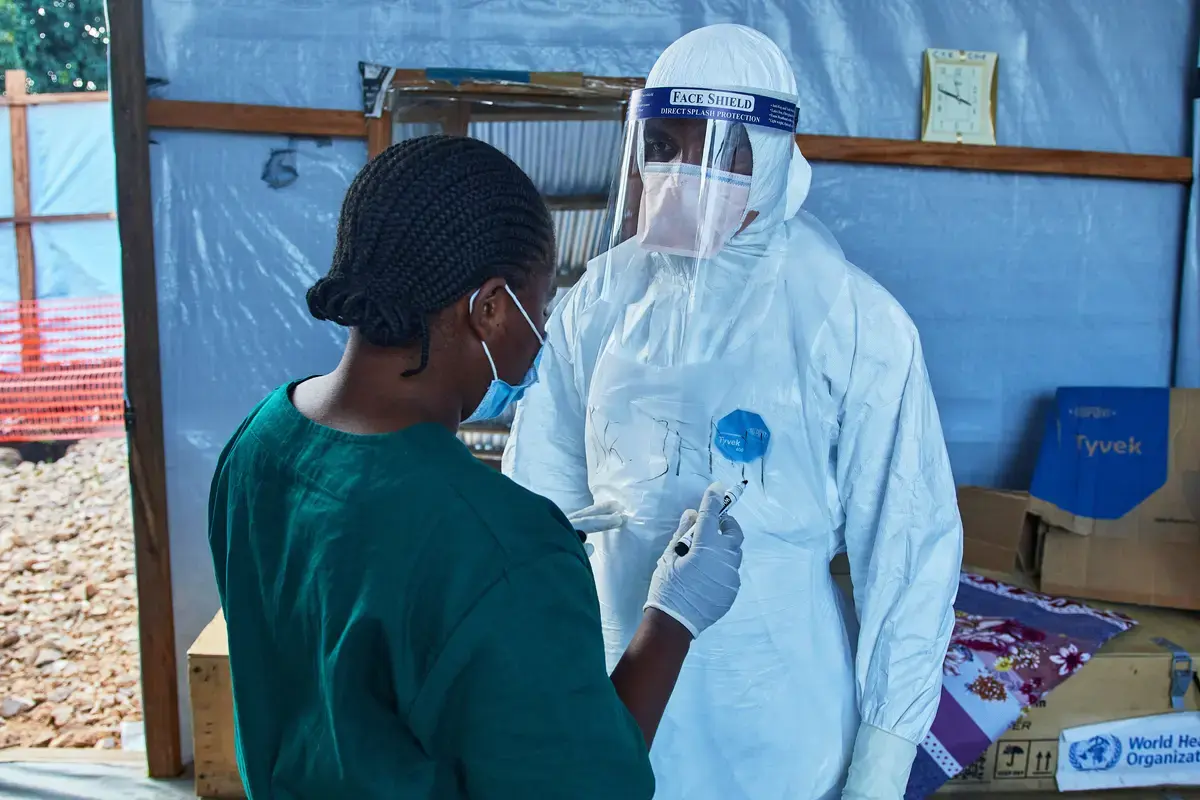
The Ebola outbreak in the Democratic Republic of Congo has claimed 600 lives, health officials said on July 10. New suspected cases have been reported in provinces that previously reported no infections, prompting urgent investigations. The latest figures come as clinicians prepare for experimental treatment trials at the Evangelical Medical Center in Bunia, eastern Congo.
Latest news
 Swedish Voters Choose New Parliament as Left-Wing Coalition Projects to Win Majority
 Trump Announces End of US Tariff on Irish Whisky
 Frances Stonor Saunders, Author of CIA Cultural Espionage Exposé, Dies at 66
 Israel and Lebanon to Hold Security Talks in Rome This October
The surge in suspected cases reflects a widening geographic footprint for the virus. Officials suspect the spread is linked to population movements and limited access to remote villages. Local health teams are conducting door‑to‑door screenings and deploying rapid‑response units to isolate potential patients. The World Health Organization has dispatched additional experts to support contact‑tracing efforts and to reinforce laboratory capacity.
In the past month, health workers have identified clusters of fever and hemorrhagic symptoms in three new districts. Preliminary testing suggests Ebola as the likely cause, though laboratory confirmation is pending. „We are seeing the virus move into areas that have not seen cases before, which challenges our containment strategies,” said Dr. Amina N' Diaye, a senior epidemiologist with the Congo Ministry of Health. The Ministry has mobilized mobile clinics to deliver supportive care and to educate residents about safe burial practices.
Can the Outbreak Be Contained Before It Spreads Further?
Vaccination campaigns have intensified, with over 150,000 doses of the rVSV‑ZEBOV vaccine administered since the outbreak began. However, logistical hurdles, including poor road conditions and security concerns, have slowed distribution in the newly affected zones. International partners are coordinating air drops to deliver medical supplies to hard‑to‑reach communities.
Experts remain cautiously optimistic that aggressive containment measures can curb the virus’s spread. The upcoming clinical trials at the Evangelical Medical Center aim to evaluate promising antiviral candidates, offering hope for improved treatment outcomes. „If the trials succeed, we could have a powerful tool to reduce mortality and break transmission chains,” noted Dr. Jean‑Claude Mbemba, a lead researcher on the study.
Nevertheless, the risk of unchecked transmission remains high. Continued community engagement, rapid case identification, and sustained vaccination are essential to prevent the outbreak from escalating. Authorities urge residents to report symptoms promptly and to cooperate with health officials.
The situation underscores the fragility of health infrastructure in conflict‑prone regions. While the death toll has risen sharply, the coordinated response demonstrates a growing capacity to manage such crises. The coming weeks will test the resilience of both local and international teams as they strive to halt the virus’s advance.
Frequently Asked Questions
What symptoms should people watch for? Early signs include fever, fatigue, muscle pain, and headache, followed by vomiting, diarrhea, and bleeding. Prompt medical attention is critical.
How is the vaccine being distributed? Vaccines are given to frontline workers and close contacts of confirmed cases, following a ring‑vaccination strategy to contain spread.
When will the clinical trials begin? Trials are scheduled to start next week at the Evangelical Medical Center in Bunia, pending final regulatory approvals.