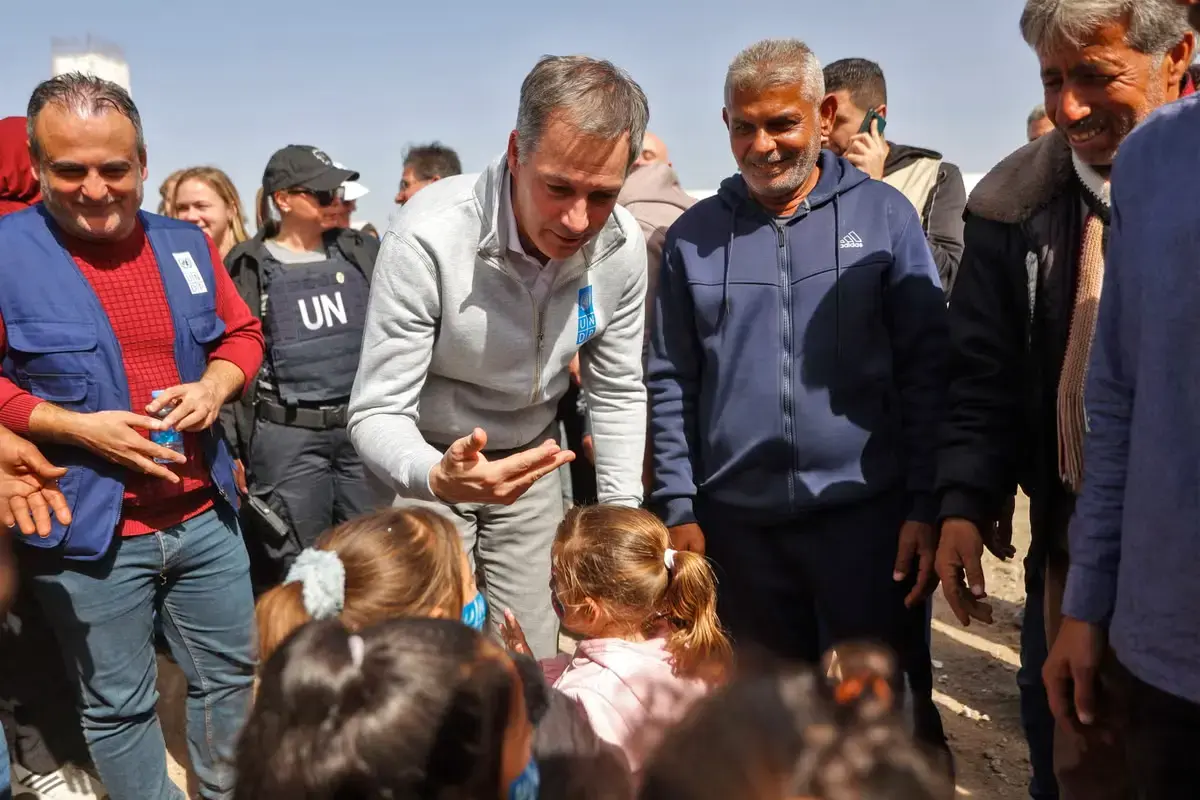
Proactive Development: A Key to Stability
The United Nations Development Programme chief, Alexander De Croo, has warned that the European Union will face repeated crises if it reduces foreign aid. De Croo made the statement on Friday, emphasizing the need for proactive development funding. The EU's current approach is often reactive, responding to crises as they unfold.
Latest news
 Swedish Voters Choose New Parliament as Left-Wing Coalition Projects to Win Majority
 Trump Announces End of US Tariff on Irish Whisky
 Frances Stonor Saunders, Author of CIA Cultural Espionage Exposé, Dies at 66
 Israel and Lebanon to Hold Security Talks in Rome This October
The EU's foreign aid plays a crucial role in addressing global crises, including health emergencies and economic instability. De Croo argues that by investing in development, the EU can prevent or mitigate the impact of these crises. This approach would not only benefit recipient countries but also the EU itself, by reducing the likelihood of crises spilling over into the region.
Can the EU Afford to Cut Foreign Aid?
The EU has been a significant contributor to global health initiatives and economic development programs. By continuing to fund these efforts, the EU can help prevent crises from emerging in the first place. This proactive approach would require a shift in the EU's budgeting priorities, with a greater emphasis on development funding.
Frequently Asked Questions
Reducing foreign aid would not only harm recipient countries but also the EU's own interests. By investing in global development, the EU can help create a more stable and secure environment, reducing the risk of crises that could have far-reaching consequences.
The consequences of cutting foreign aid would be severe, with the EU facing repeated crises and instability on its borders. In contrast, continued investment in development would help to prevent or mitigate these crises, creating a more stable and secure environment for all.