The Investigation’s Turning Point
Damascus security forces announced Tuesday the detention of a retired Syrian army officer who once commanded assaults on rebel-held districts during the nation’s 13‑year civil war. The man, identified as former Major General Ghaleb al‑Hassan, was taken into custody in the capital after investigators linked him to several high‑profile offensives that targeted opposition strongholds between 2012 and 2018.
Latest news
 Australia Seeks Tech Giant Help to Bolster Online Safety and AI Rules
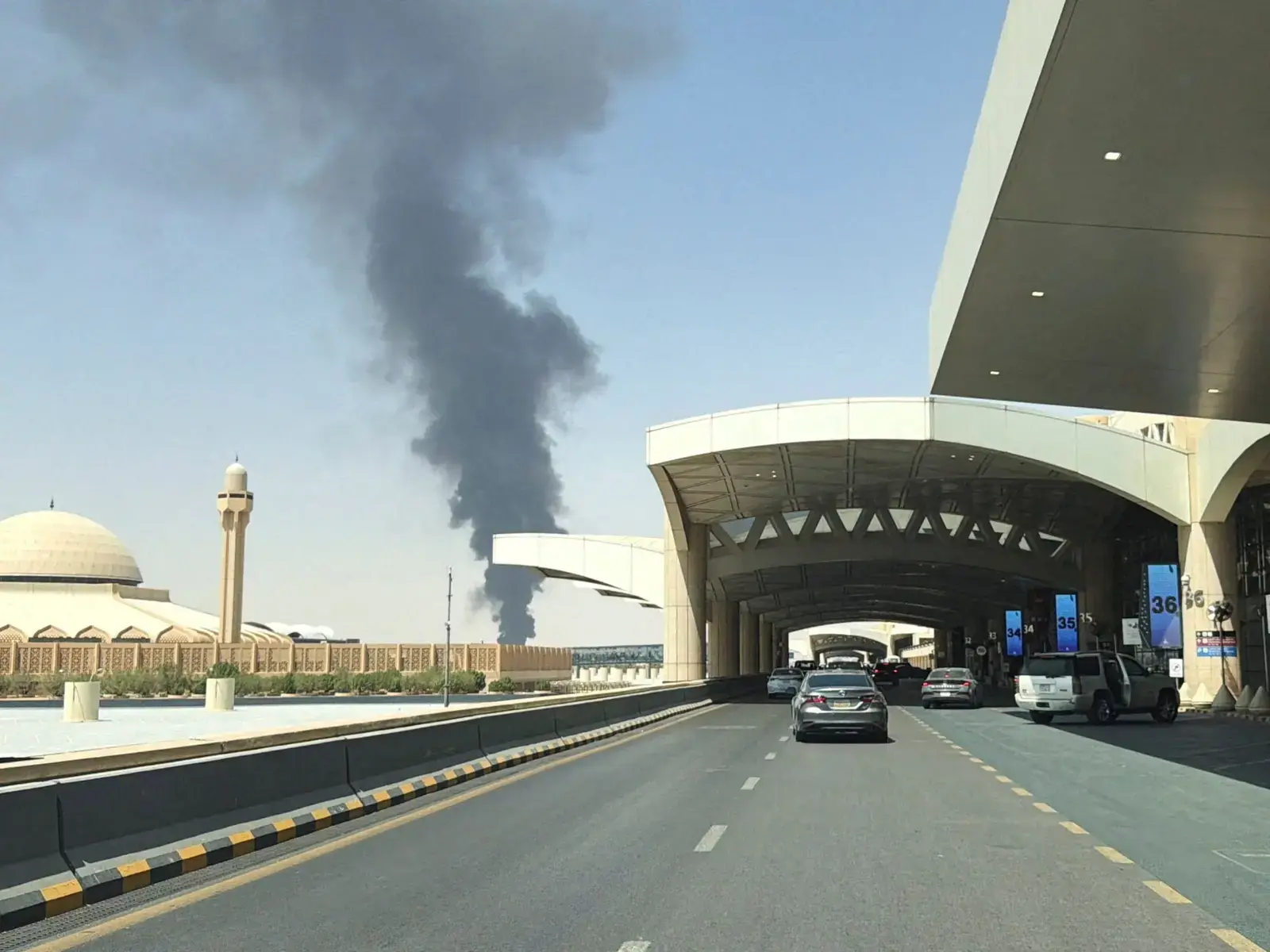 Iran Sets Seven Conditions for US Talks as Saudi Forces Thwart Riyadh Attack
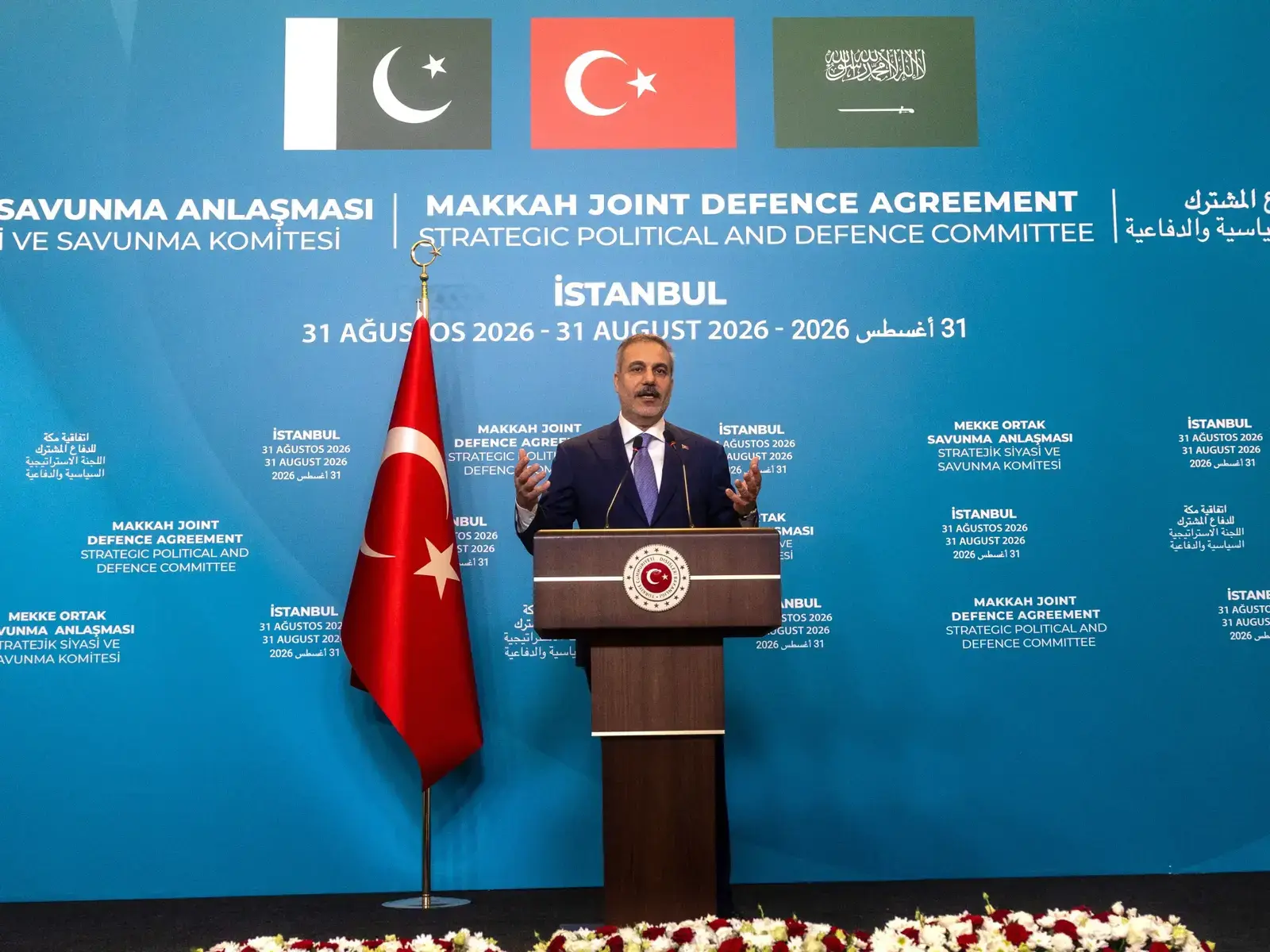 Turkiye pledges military support to Riyadh as Houthi threats rise
 Escalating Tensions in the West Bank Lead to Arrests and Property Damage
Al‑Hassan rose through the ranks under President Bashar al‑Assad and was known for leading brutal campaigns in Aleppo, Homs and Idlib. According to the Ministry of Interior, the arrest follows a renewed crackdown on former military figures suspected of war crimes and corruption. Prosecutors say they have uncovered communications that reveal the general coordinated artillery strikes and air‑support missions that resulted in civilian casualties. Human‑rights groups have long called for accountability, arguing that many senior officers escaped justice after the conflict ended.
The case gained momentum after a whistle‑blower within the defense ministry provided investigators with encrypted files. Those documents detailed orders signed by al‑Hassan authorizing the use of barrel bombs in densely populated neighborhoods. Analysts say the evidence could form the basis for charges ranging from war crimes to illegal possession of weapons. „We are sending a clear message that no one is above the law, regardless of past service,” a senior official told state media. International observers have welcomed the move, noting that Syria’s legal system has rarely pursued former regime officers for wartime actions.
Why Is This Arrest Significant for Syria’s Reconciliation Process?
The detention marks one of the few instances where a high‑ranking military leader has faced legal scrutiny since the war’s end. Critics argue that targeting a single figure does little to address the broader culture of impunity that allowed atrocities to flourish. Supporters, however, view the arrest as a step toward national healing, hoping it will encourage other victims to come forward. The government has pledged to conduct a transparent trial, though skeptics warn that political motives could influence the proceedings.
The fallout from al‑Hassan’s arrest may reshape power dynamics within the security apparatus. Some insiders suggest that rival factions could use the case to settle scores, potentially destabilizing fragile alliances. Meanwhile, displaced Syrians awaiting justice see the development as a glimmer of hope that the state might finally acknowledge their suffering. The next months will reveal whether the trial proceeds independently or becomes another instrument of political maneuvering.
Frequently Asked Questions
What charges could the former general face? Prosecutors are likely to pursue accusations of war crimes, illegal use of explosive weapons, and abuse of authority, all of which carry severe penalties under Syrian law.
How might this arrest affect other former military officials? It could set a precedent, prompting further investigations into senior officers. Some may seek plea deals, while others might attempt to flee the country.
Will the trial be open to international observers? The government has announced plans for a public hearing, but it remains unclear whether independent monitors will be granted access.