How Is Kenya Responding to the Spread?
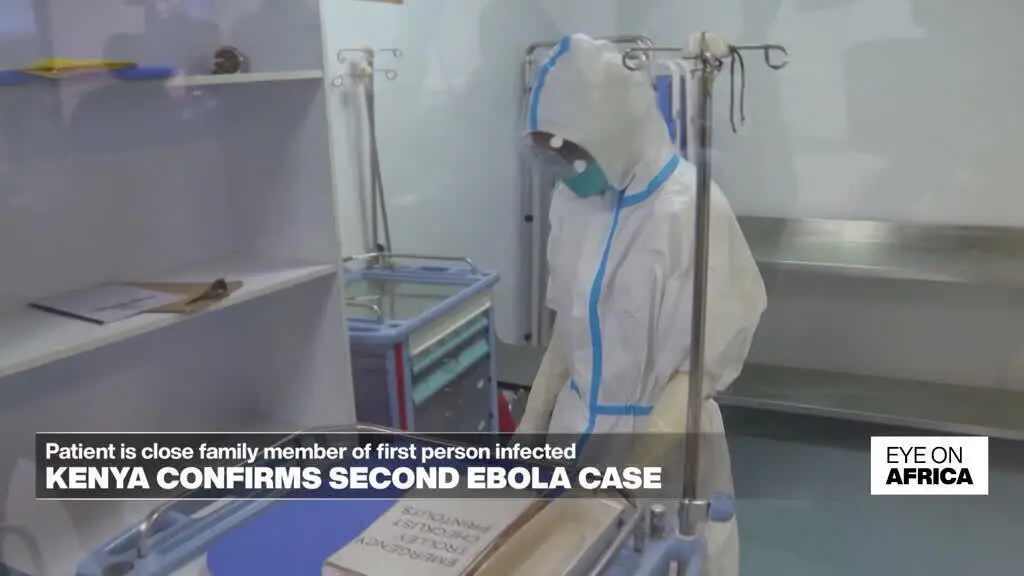
Kenyan health authorities have confirmed a second case of Ebola virus disease, marking an escalation in the country's ongoing efforts to contain the deadly pathogen. The announcement came during an evening briefing by the Ministry of Health, where officials revealed the new infection was identified in a patient who had recent contact with the first confirmed case. Both individuals are currently receiving treatment in isolation units at designated health facilities in the western region of Kenya, near the border with Uganda. The cases were detected through active surveillance and contact tracing following the initial outbreak alert earlier this week.
Latest news
 Reforming Personal Independence Payments Won't Slash Costs, Thinktank Says
 ICE Rejects Watchdog Report on Automatic Body‑Camera Recording
 Denmark Rejects US Claims Over Greenland Resources
 What Is the 2027 Social Security Cost‑of‑Living Adjustment?
The second case involves a 34-year-old woman who cared for the first patient, a 45-year-old man who succumbed to the virus after seeking treatment at a local clinic. Health officials say the woman developed symptoms including fever, vomiting, and hemorrhaging, prompting immediate testing that returned positive for Ebola Zaire strain. Authorities have since quarantined over 80 close contacts and deployed rapid response teams to the affected area to monitor for further transmission. The World Health Organization has been notified and is providing technical support to strengthen surveillance and community engagement efforts.
What Challenges Could Hinder Containment Efforts?
Kenya’s response includes activating its national emergency operations center, distributing personal protective equipment to frontline workers, and launching public awareness campaigns in local languages. Mobile testing units have been dispatched to remote villages to speed up diagnosis, while burial teams are following safe protocols to prevent transmission during funerals. The government has also restricted large gatherings in the affected zone and urged citizens to report any suspicious symptoms immediately. International partners, including the CDC and UNICEF, are supplying medical kits and logistical aid to bolster containment.
Despite swift action, experts warn that porous borders, limited healthcare infrastructure in rural areas, and public mistrust could complicate containment. Misinformation about the virus continues to circulate on social media, leading some to avoid treatment or resist quarantine measures. Health workers have reported resistance in certain communities where traditional beliefs conflict with medical advice. Officials stress that community leaders and religious figures are being engaged to build trust and encourage cooperation with health directives.
How is Ebola transmitted between people? Ebola spreads through direct contact with bodily fluids of infected individuals, such as blood, vomit, or feces, or through contaminated surfaces and materials. It is not airborne and requires close interaction to transmit.
Frequently Asked Questions
What symptoms should people watch for? Early signs include fever, fatigue, muscle pain, headache, and sore throat, which can progress to vomiting, diarrhea, rash, and internal or external bleeding. Symptoms typically appear 2 to 21 days after exposure.
Is there a vaccine or treatment available? Yes, an effective Ebola vaccine is available and being used in ring vaccination strategies around confirmed cases. Treatments include monoclonal antibody therapies and supportive care like rehydration, which improve survival rates when administered early.