
Humanitarian Crisis Deepens Amid Ongoing Hostilities
The number of people killed in Lebanon due to Israeli military attacks beginning March 2 has risen to 4,386, with 12,424 others injured, according to Lebanon's Public Health Ministry. The figures cover the period from March 2 to October 10 and reflect the escalating violence along the country's southern border. The ministry also reported that the cumulative toll since October 8, 2023, now stands at 8,953 deaths and 30,660 injuries.
Latest news
 Polish Authorities Investigate Threat Against Prime Minister
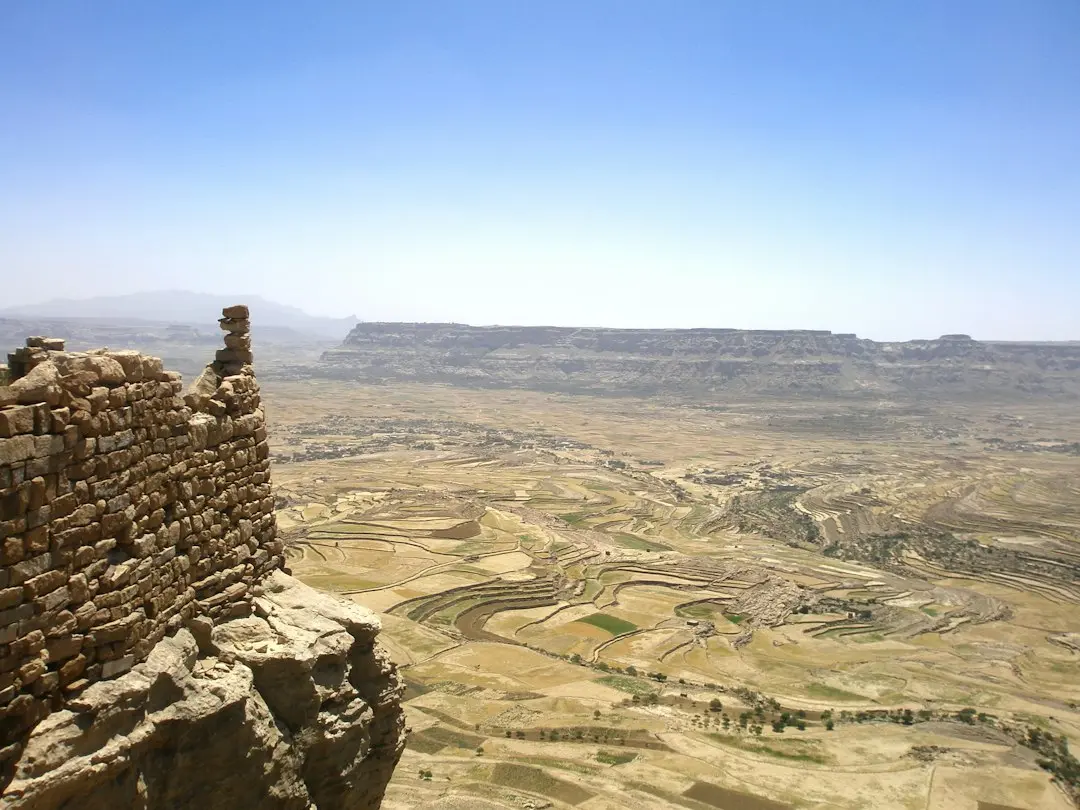 Airstrikes reported at Sanaa International Airport in Yemen
 Factory Workers Turn Against Republicans Over Tariff Job Losses
 Brazilian President Lula Accuses Meta of Election Interference
Escalation Follows Cross-Border Tensions After Hamas Attack The surge in casualties began after Hamas's October 7 attack on Israel, which triggered a broader regional conflict. Israeli forces have conducted frequent artillery strikes and aerial bombardments targeting areas in southern Lebanon, particularly near the border with Israel. Lebanese officials say many of the strikes have hit civilian infrastructure, including homes and medical facilities, though Israel claims its operations target Hezbollah positions. The National News Agency reported ongoing shelling in several villages during the reporting period, contributing to displacement and humanitarian strain.
How Are Civilians Being Affected by the Ongoing Violence?
Healthcare systems in southern Lebanon are under severe pressure, with hospitals struggling to cope with the influx of wounded. Medical supplies are running low, and power outages have disrupted critical services. International aid organizations have warned of a growing catastrophe if hostilities continue, noting that access to affected areas remains dangerous and inconsistent. Over 90,000 people have been displaced internally, according to UN estimates cited by Lebanese authorities.
Civilians bear the brunt of the conflict, with entire families reported killed in single strikes on residential buildings. Schools and markets have been damaged, disrupting daily life and increasing fear among residents. Many who remain in border villages say they feel trapped, unable to leave due to destroyed roads or lack of resources. Psychological trauma is widespread, especially among children, as reported by local health workers.
What triggered the increase in Israeli military actions in Lebanon? The escalation followed Hamas's attack on Israel on October 7, 2023, which led to cross-border exchanges and Israeli strikes targeting Hezbollah in Lebanon.
Frequently Asked Questions
Are the casualty figures verified by independent sources? The numbers come from Lebanon's Public Health Ministry and National News Agency; no independent verification has been mentioned in the report.
Is there a risk of the conflict spreading further? Regional officials and analysts have expressed concern that continued hostilities could draw in other actors and expand beyond the current frontlines.