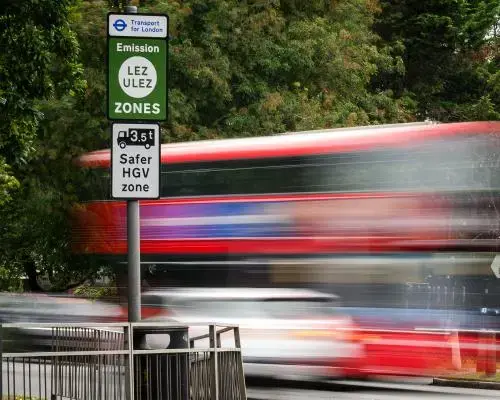
The Road to Cleaner Air
A decade ago, Alastair Harper, a young people's health advocate, was in a London meeting room planning an air pollution campaign. His phone buzzed, and he had to rush to University College London Hospital. His child was being taken there in an ambulance.
Latest news
 Swedish Voters Choose New Parliament as Left-Wing Coalition Projects to Win Majority
 Trump Announces End of US Tariff on Irish Whisky
 Frances Stonor Saunders, Author of CIA Cultural Espionage Exposé, Dies at 66
 Israel and Lebanon to Hold Security Talks in Rome This October
The incident sparked a drive to reduce air pollution in London. In 2008, the city launched its Low Emission Zone, a pioneering initiative to curb emissions from polluting vehicles. The scheme has been successful, with a significant reduction in emissions. Other cities worldwide have followed suit, but many are still hesitant.
Can Cities Overcome the Hurdles?
London's Low Emission Zone was the first of its kind in the world. The scheme charges drivers of polluting vehicles a daily fee to enter the zone. The revenue generated is invested in improving public transport and reducing emissions. The results have been impressive, with a 12% reduction in emissions from large goods vehicles and a 9% reduction from buses.
Frequently Asked Questions
Similar initiatives have been launched in cities like Barcelona and Bogotá. However, many cities are still cautious about implementing such schemes. One reason is the fear of backlash from drivers and businesses. There is also a lack of awareness about the benefits of low emission zones.
Despite the success of London's Low Emission Zone, many cities are still struggling to implement similar schemes. One major hurdle is the lack of public awareness about the benefits of low emission zones. There is also a need for more investment in clean public transport and infrastructure. As cities worldwide continue to grapple with air pollution, they can learn from London's experience.