Faith Leaders Drive Community Engagement
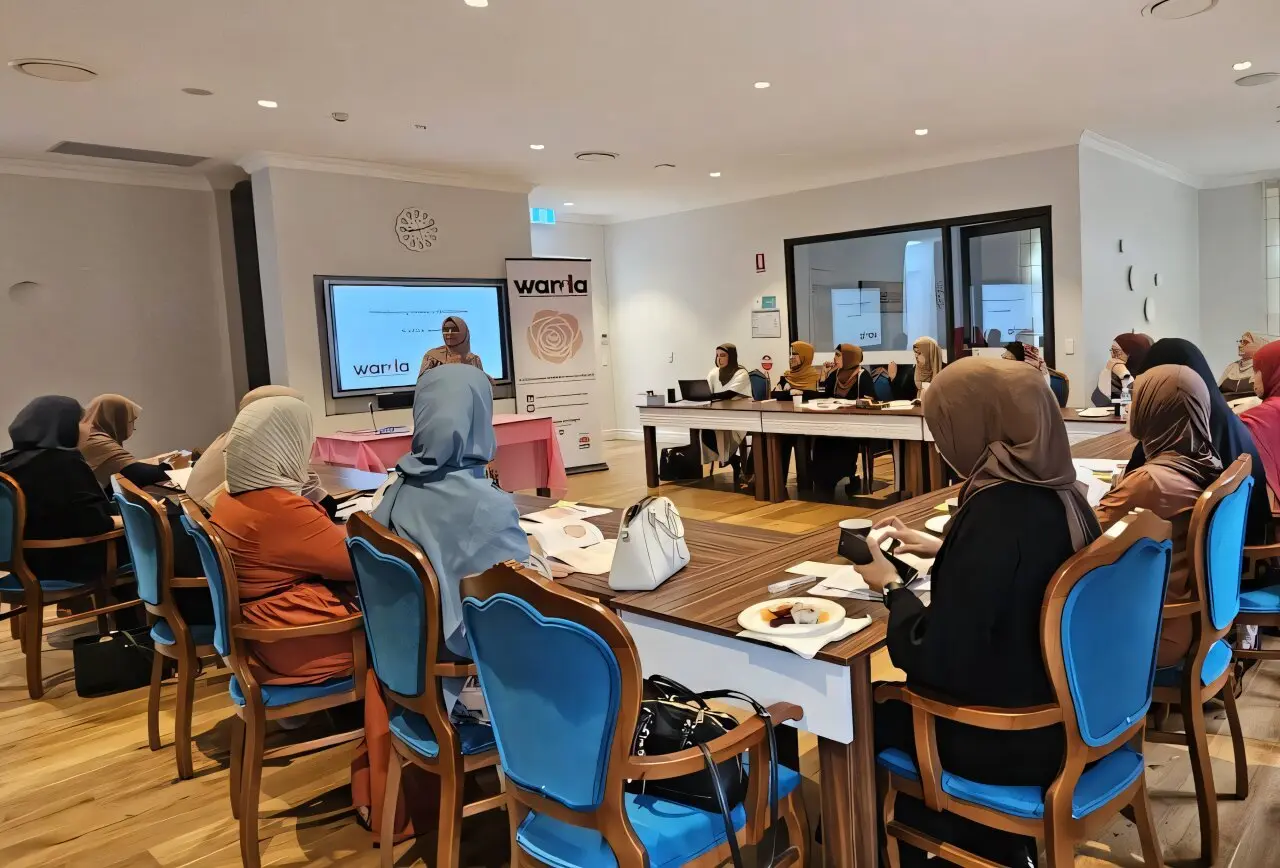
In New South Wales, community leaders are organizing private discussion circles within local mosques to address reproductive health concerns among Muslim women. These gatherings aim to create safe spaces where participants can ask questions without fear of judgment or cultural misunderstanding. The initiative directly addresses a significant gap in how healthcare services currently engage with diverse religious communities across the region.
Latest news
 Swedish Voters Choose New Parliament as Left-Wing Coalition Projects to Win Majority
 Trump Announces End of US Tariff on Irish Whisky
 Frances Stonor Saunders, Author of CIA Cultural Espionage Exposé, Dies at 66
 Israel and Lebanon to Hold Security Talks in Rome This October
Health officials recognize that many Muslim women face barriers when accessing standard medical advice. Cultural norms often encourage modesty and privacy, which can make discussing intimate health topics difficult in mixed-gender clinics. By moving the conversation into familiar religious settings, organizers hope to reduce anxiety and encourage open dialogue about fertility, pregnancy, and general well-being.
Female faith leaders and community volunteers spearhead these workshops, leveraging their trusted positions within the community. They work closely with healthcare professionals to ensure accurate information is delivered in an accessible format. This collaborative approach ensures that medical advice remains consistent with clinical guidelines while respecting cultural values. Participants report feeling more comfortable sharing personal experiences when surrounded by peers who understand their specific social context.
Does Location Influence Health Outcomes?
The workshops cover a range of topics, including pre-conception care, prenatal health, and postpartum recovery. Facilitators use plain language to explain complex medical concepts, making sure no one feels excluded by technical jargon. This method helps demystify the healthcare system for women who may have limited prior exposure to formal medical institutions.
Location plays a critical role in determining access to quality care. Women living in regional areas or outer suburbs often find it harder to attend regular appointments due to transport challenges. Mosque-based programs mitigate this issue by bringing education directly to the community hub. Attendees can learn about available government-funded services and how to navigate the booking process. This practical knowledge empowers women to take proactive steps toward managing their own health.
Data from recent health initiatives suggests that targeted outreach improves engagement rates among underrepresented groups. When patients feel culturally understood, they are more likely to follow through on recommended treatments and screenings. The workshops serve as a bridge between traditional community structures and modern medical infrastructure.
Frequently Asked Questions
Who organizes these mosque workshops? Female faith leaders and trained community volunteers coordinate the sessions. They partner with local healthcare providers to ensure the content is medically accurate and relevant to the participants' needs.
What specific health topics are discussed? The circles focus on reproductive health, including fertility planning, pregnancy care, and menstrual health. Facilitators also address common misconceptions and provide guidance on accessing public health resources.
How does this differ from standard health clinics? These workshops prioritize privacy and cultural comfort by holding discussions in familiar religious spaces. This setting encourages open communication among women who might hesitate to speak up in conventional clinical environments.