Heat Thresholds Redefine Mosquito Habitat
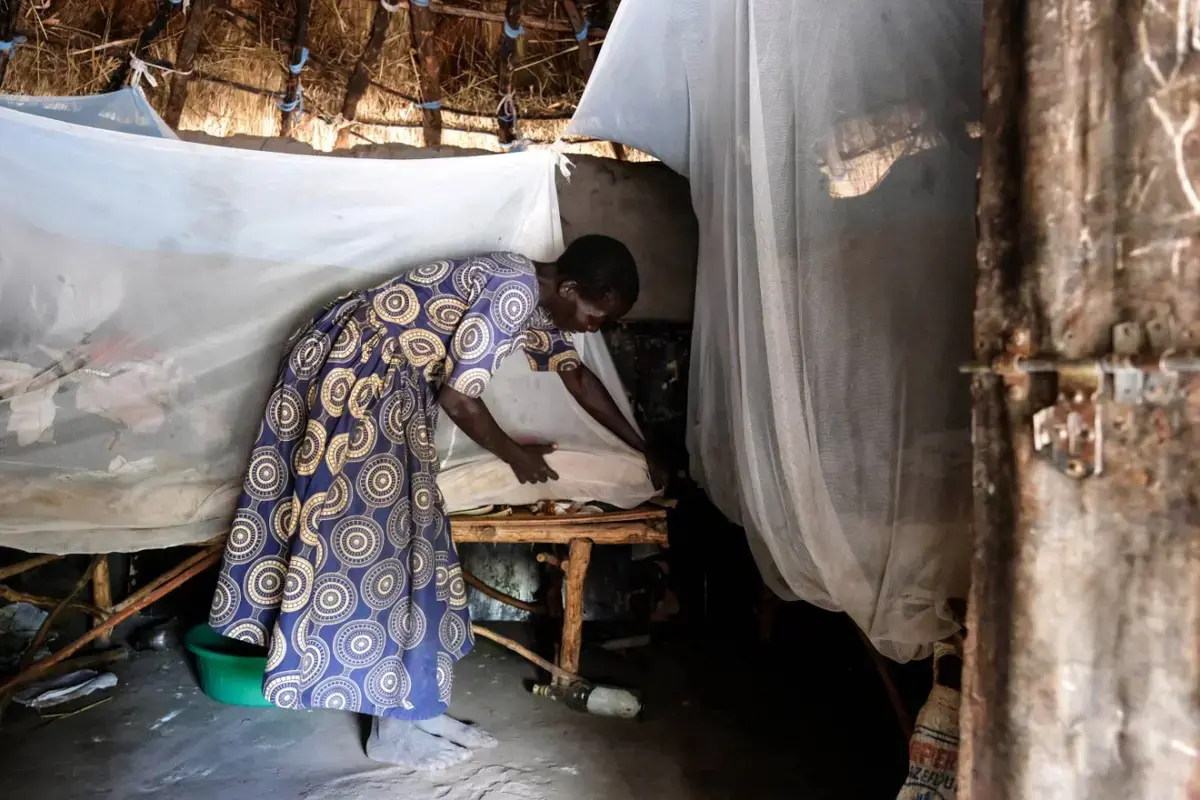
By the late 2100s, climate models suggest that soaring heat could make large swaths of West and Central Africa inhospitable for the Anopheles mosquitoes that spread malaria. Researchers warn that while disease risk may fall in these zones, vulnerable populations elsewhere could face new exposure.
Latest news
 Swedish Voters Choose New Parliament as Left-Wing Coalition Projects to Win Majority
 Trump Announces End of US Tariff on Irish Whisky
 Frances Stonor Saunders, Author of CIA Cultural Espionage Exposé, Dies at 66
 Israel and Lebanon to Hold Security Talks in Rome This October
The projection stems from studies linking mosquito survival to narrow temperature bands. As average daily highs climb past the upper limits for mosquito development, breeding cycles stall and adult lifespans shrink. Simultaneously, the same warming trends enable the parasite to thrive in higher‑altitude or more temperate locales, potentially reshaping the geographic map of malaria risk.
Scientists note that Anopheles species thrive between roughly 16 °C and 34 °C. When temperatures exceed this range for extended periods, larvae fail to mature and adult mosquitoes experience heightened mortality. Climate simulations for the Sahel and Congo basin show that by 2080, many districts will regularly breach the 34 °C ceiling, effectively curbing local transmission cycles. „We are seeing a natural barrier form as heat intensifies,” said Dr. Lina Mensah, an entomologist at the African Institute of Tropical Medicine. The research also highlights the importance of maintaining bed‑net distribution, as residual pockets of transmission may linger despite unfavorable climate conditions.
Could Malaria Move to New Regions as Africa Cools?
While warming may suppress malaria in traditional hotspots, the disease could migrate to cooler highland areas or to neighboring regions with milder climates. Elevated temperatures at altitude open previously safe zones to both mosquitoes and the Plasmodium parasite. Public health officials worry that communities unaccustomed to malaria may lack infrastructure such as insecticide‑treated nets or rapid‑diagnosis clinics. „A shift in risk does not mean a reduction in overall burden,” cautioned Dr. Ahmed Kone of the World Health Organization. Preparing these emerging frontiers will require proactive surveillance and adaptive prevention strategies.
If the projected climatic shifts materialize, West and Central Africa could witness a dramatic decline in malaria cases, easing pressure on health systems that have long battled the disease. However, the potential relocation of transmission zones underscores the need for flexible, continent‑wide control programs. Continued investment in vector control, early‑warning systems, and community education will be vital to ensure that climate‑driven gains are not offset by new outbreaks elsewhere.
Frequently Asked Questions
Will malaria disappear entirely from Africa? Current models suggest a substantial reduction in West and Central Africa, but the disease may persist in other African regions or reappear if climate patterns change unexpectedly.
How reliable are the temperature‑based predictions? The forecasts rely on established mosquito biology and climate projections, yet they carry uncertainty due to variables like local adaptation and human interventions.
What immediate actions should governments take? Strengthening bed‑net distribution, expanding diagnostic capacity, and monitoring mosquito populations in at‑risk highland areas are recommended steps to mitigate shifting malaria threats.