Experts warn that poverty, combined with delayed legal reforms
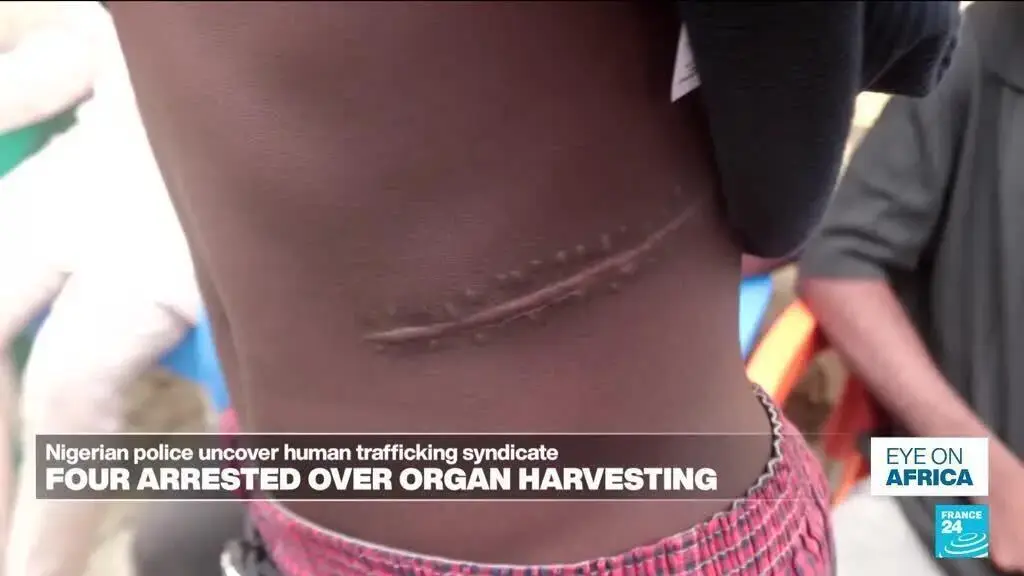
A recent investigation in Nigeria has raised alarms about unlicensed surgeons allegedly involved in illegal organ harvesting, exploiting gaps in the country’s legal and medical oversight systems. The report highlights how weak enforcement of transplant laws and shortages in specialized medical training create conditions where vulnerable individuals may be targeted for their organs, particularly in regions with limited healthcare access. The situation is worsened by a lack of registered transplant centers and insufficient monitoring of medical practitioners, allowing some to operate outside regulatory frameworks. Patients seeking affordable care may unknowingly fall into networks where organs are removed without proper consent or ethical review.
Latest news
 Swedish Voters Choose New Parliament as Left-Wing Coalition Projects to Win Majority
 Trump Announces End of US Tariff on Irish Whisky
 Frances Stonor Saunders, Author of CIA Cultural Espionage Exposé, Dies at 66
 Israel and Lebanon to Hold Security Talks in Rome This October
Experts warn that poverty, combined with delayed legal reforms, fuels a black market that thrives on desperation and institutional blind spots. How Do Legal Gaps Enable Illegal Organ Trade? Nigeria’s current transplant legislation, while existing on paper, lacks clear penalties and enforcement mechanisms, making it difficult to prosecute those involved in illicit organ removal. Many hospitals lack the capacity to verify donor consent or track organ flow, creating loopholes that unscrupulous actors exploit. Without real-time audits or whistleblower protections, illegal procedures can go undetected for extended periods. What Role Does Medical Specialization Play in Prevention? The shortage of trained transplant surgeons and anesthesiologists means that complex procedures are sometimes performed by underqualified personnel, increasing both medical risks and ethical violations. Investing in specialized medical education and certifying only accredited facilities could reduce reliance on black-market alternatives.
Until then, the gap between demand for transplants and safe, legal supply continues to widen. Frequently Asked Questions Is organ harvesting illegal in Nigeria? Yes, organ harvesting without consent is illegal under Nigeria’s National Health Act, but enforcement remains weak due to limited resources and judicial delays. How can patients protect themselves from illegal procedures? Patients should seek treatment only at government-registered hospitals and verify that any transplant procedure is approved by the National Organ Transplant Committee. Are there efforts to strengthen oversight? Health authorities have proposed amendments to tighten penalties and improve monitoring, but progress has been slow due to bureaucratic and funding challenges.