
The Erosion of Household Cash Buffers
Inflation has quietly dismantled the traditional safety nets that families rely on during economic downturns. For decades, the standard advice was to maintain three to six months of expenses in liquid savings. However, with interest rates fluctuating and the cost of living rising sharply, many households find themselves running on fumes. The result is a growing class of borrowers who are not in distress but are simply caught in a gap between their income and their immediate obligations.
Latest news
 G20 Trade Ministers Gather in Wisconsin Amid Tariff Tension
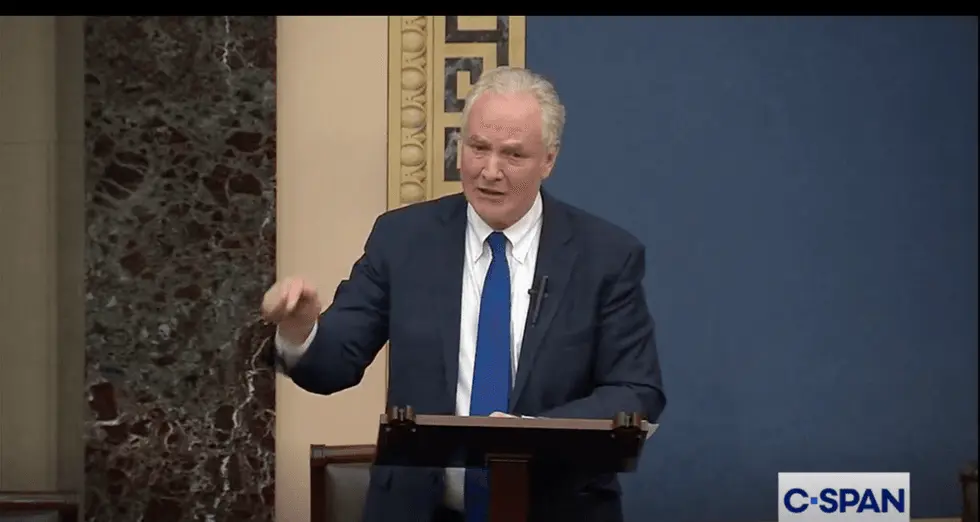 Senate Democrats Unite to Push for West Bank Violence Report
 Sandino's Rebellion Against U.S. Occupation Begins in Nicaragua
 Diesel Surpasses Gasoline as Europe's Most Expensive Fuel
This demographic shift is particularly evident among vehicle owners, who often treat their cars as both transport and collateral. When unexpected bills arise, from medical emergencies to property repairs, the asset that provides the most immediate value is frequently the automobile.
This has led to a surge in non-traditional lending structures that prioritize speed over conventional credit checks.
Alternative Lending and the Speed-Premium
Traditional banking institutions operate on timelines that often fail to match the urgency of modern life. A standard auto loan application can take days or weeks, involving extensive documentation and credit scoring processes. In contrast, newer models offer immediate liquidity by leveraging the asset's current market value rather than the borrower's historical creditworthiness.
This approach democratizes access to capital for those who might be overlooked by major banks. For example, services like finantare rapida masina allow individuals to unlock up to ninety percent of a vehicle's worth within minutes.
The key distinction here is transparency; the borrower retains ownership and can reclaim the asset at any time by repaying the principal amount.
Historical Context of Pawns and Modern Assets
The concept of pawning assets is ancient, yet its application to high-value items like automobiles represents a modern evolution. Historically, pawnshops dealt primarily in gold, jewelry, and small electronics. The shift toward automotive collateral reflects the changing nature of household wealth, where vehicles have become one of the most significant tangible assets for the middle class.
Analysts suggest this trend will continue as digital platforms make the process more accessible and less stigmatized. The removal of the „pawnshop” label in favor of „secured lending” helps normalize the practice.
Implications for Financial Resilience
It signals a broader acceptance of flexible financial tools that adapt to individual cash flow needs.
As central banks navigate the delicate balance between controlling inflation and supporting growth, individual financial strategies must evolve accordingly. Relying solely on bank accounts may no longer suffice for immediate liquidity needs. Diversifying one's financial toolkit to include asset-based solutions can provide a crucial buffer against shocks.
Experts recommend that consumers view these options not as last resorts but as strategic tools. By understanding the mechanics of secured lending, individuals can make informed decisions that protect their long-term financial health. The goal is to maintain stability without sacrificing the mobility and utility that modern vehicles provide in daily life.