The Weight of Contradiction
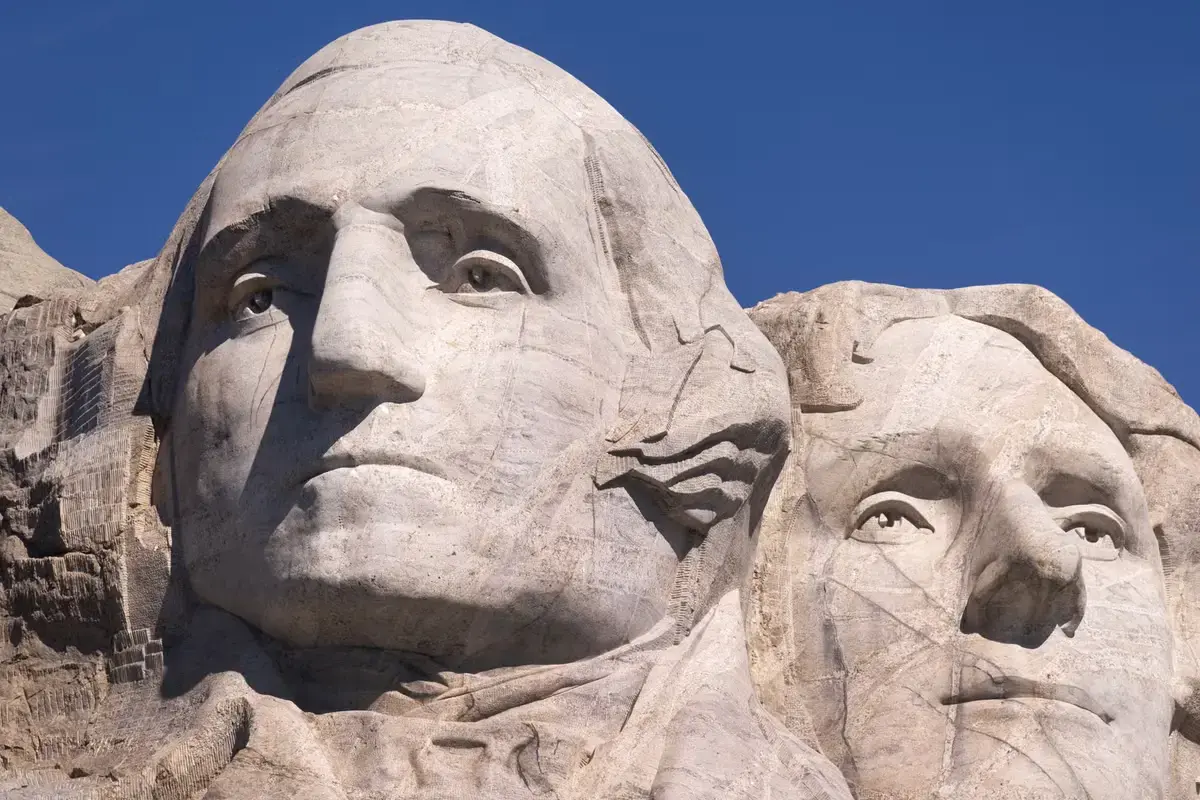
America is approaching its 250th birthday, prompting a re-examination of its founding principles and the contradictions of its past. Thomas Jefferson, the principal author of the Declaration of Independence, owned slaves throughout his life. This paradox is now under intense scrutiny.
Latest news
 Swedish Voters Choose New Parliament as Left-Wing Coalition Projects to Win Majority
 Trump Announces End of US Tariff on Irish Whisky
 Frances Stonor Saunders, Author of CIA Cultural Espionage Exposé, Dies at 66
 Israel and Lebanon to Hold Security Talks in Rome This October
Jefferson's role in shaping America's identity is undeniable. He penned the document that declared „all men are created equal,”yet he was a slaveholder who benefited from the institution of slavery. This contradiction has long been acknowledged, but as the country approaches its semiquincentennial, it is being reevaluated.
Can We Reconcile the Past?
Jefferson's ownership of slaves is a stark reminder of the country's complicated history. Despite his professed opposition to slavery, he freed only a few of the people he enslaved in his will. The others were sold to pay off his debts. This has led many to question the sincerity of his commitment to equality.
The legacy of Jefferson and other founding fathers is being reassessed in the context of their time. Historians argue that their views on slavery were complex and often contradictory. However, the fact remains that they profited from the labor of enslaved people, even as they espoused the principles of liberty.
As America celebrates its 250th anniversary, it must confront the uncomfortable truths about its founding. This includes acknowledging the role of slavery and racism in shaping the country's history. By doing so, Americans can gain a more nuanced understanding of their heritage and the ongoing struggle for equality.
Frequently Asked Questions
The consequences of this reckoning will be far-reaching. It may lead to a more honest and inclusive understanding of American history, but it also risks reopening old wounds. Ultimately, the goal is to create a more accurate and equitable narrative about the country's past.
What was Thomas Jefferson's stance on slavery? Jefferson professed to oppose slavery, but he owned slaves throughout his life and freed only a few in his will. How did Jefferson's ownership of slaves affect his legacy? It has led to a reevaluation of his commitment to equality and the principles enshrined in the Declaration of Independence. What is the significance of reexamining Jefferson's legacy now? It is part of a broader effort to understand and come to terms with America's complicated history as it approaches its 250th birthday.