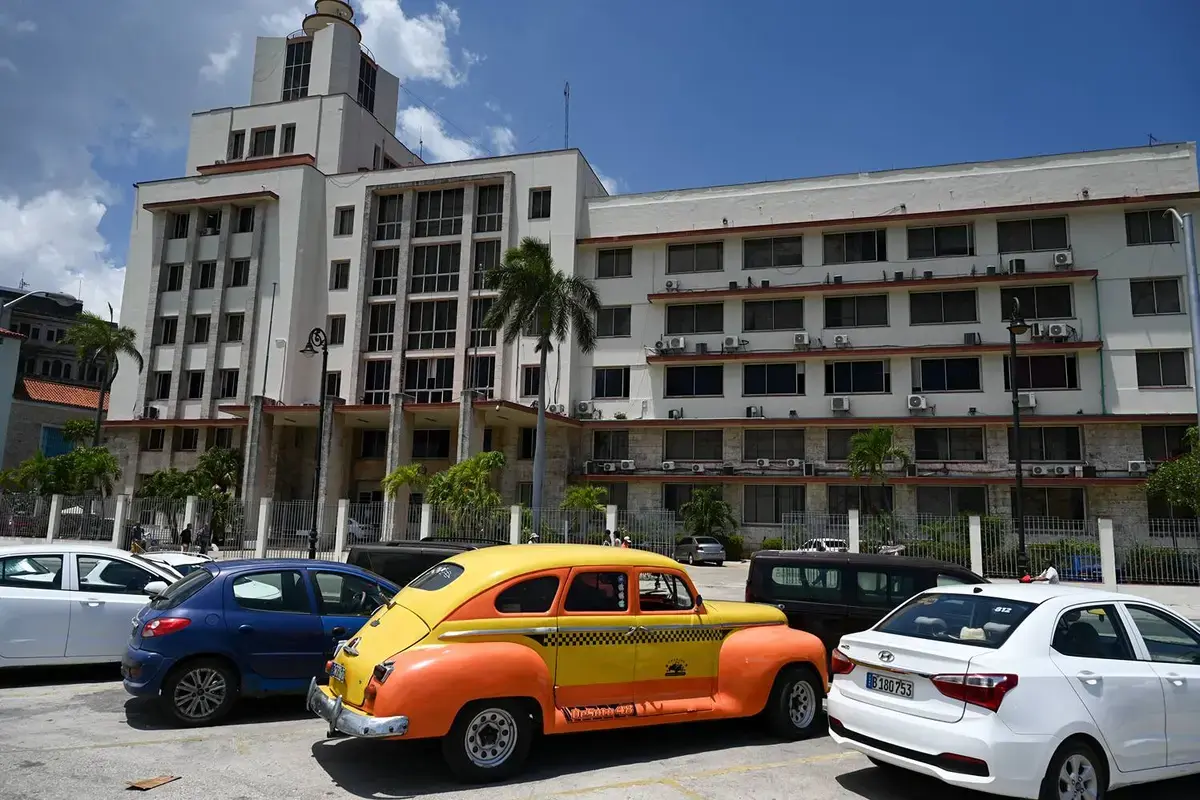
Cuban Military Capabilities Under Scrutiny
On Monday, July 17, 2026, President Donald Trump announced that the United States is „looking into” claims that Cuba may be housing Iranian‑manufactured drones. The statement came during a press briefing in Washington and immediately sparked debate among analysts who argue the claim could serve as a pretext for a new American military move against the island.
Latest news
 Swedish Voters Choose New Parliament as Left-Wing Coalition Projects to Win Majority
 Trump Announces End of US Tariff on Irish Whisky
 Frances Stonor Saunders, Author of CIA Cultural Espionage Exposé, Dies at 66
 Israel and Lebanon to Hold Security Talks in Rome This October
Trump’s remarks arrived amid heightened tensions over Havana’s alleged ties to Tehran, a nation known for exporting combat drones to proxy forces. Experts contend that the president’s focus on Cuban drone inventories aligns with a broader strategy to justify forceful intervention. They point to historical patterns where U. S. officials have leveraged perceived threats to rally public support for overseas actions.
Cuban defense officials have long denied any direct procurement of Iranian weaponry, emphasizing reliance on legacy Soviet equipment. Nevertheless, satellite imagery released by independent analysts shows unusual activity at a former airfield near Guantánamo, prompting speculation about foreign hardware storage. „The evidence is inconclusive, but the narrative fits a larger agenda,” said Dr. Elena Martínez, a senior researcher at the Institute for Western Hemisphere Studies.
Is the Drone Allegation a Trigger for Conflict?
U. S. intelligence agencies have reportedly increased surveillance of Cuban ports, seeking to confirm or refute the drone allegations. The administration has also warned regional allies that any confirmed presence of Iranian drones could trigger sanctions or direct strikes. This stance mirrors previous U. S. actions in the Middle East, where similar claims led to targeted operations against Iranian proxies.
Critics argue that the timing of Trump’s statement is strategic, coinciding with upcoming congressional debates on defense spending. „By raising the specter of Iranian drones in Cuba, the administration hopes to secure broader support for a more aggressive posture,” noted political analyst Jorge Alvarez.
If the claim proves unfounded, the fallout could damage U. S. credibility and strain diplomatic channels with both Cuba and other Latin American nations. Conversely, a verified drone presence might justify a limited strike, potentially escalating into a broader confrontation involving regional actors.
The episode underscores the delicate balance between intelligence assessments and political messaging. As Washington weighs its options, the international community watches closely for signs of escalation or diplomatic resolution.
Frequently Asked Questions
What evidence supports the claim of Iranian drones in Cuba? Current reports rely on satellite observations and intercepted communications, but no concrete proof has been publicly released.
Could the United States legally strike Cuban targets based on this allegation? Any military action would require justification under international law, likely invoking self‑defense if a direct threat is confirmed.
How might this development affect U. S.-Cuba relations? A confirmed drone presence could deepen sanctions and reduce diplomatic engagement, while a debunked claim might lead to renewed calls for dialogue.