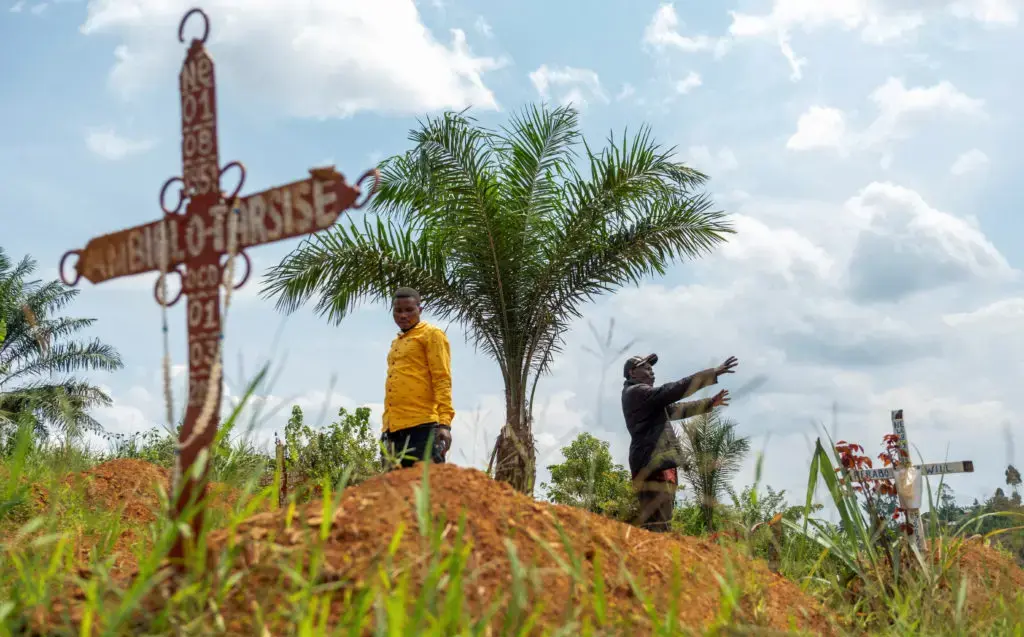
What Makes Bundibugyo Different?
A rare strain of the Ebola virus, known as Bundibugyo, has emerged in recent weeks. This outbreak has raised concerns due to the absence of an approved vaccine or treatment. The situation is being monitored closely by health officials. Bundibugyo Ebola virus, first identified in Uganda in 2007, is part of the Ebola virus family. Unlike other strains, this one is less common and has not been the focus of extensive research. The lack of treatment options makes it particularly alarming for affected regions.
Latest news
 Swedish Voters Choose New Parliament as Left-Wing Coalition Projects to Win Majority
 Trump Announces End of US Tariff on Irish Whisky
 Frances Stonor Saunders, Author of CIA Cultural Espionage Exposé, Dies at 66
 Israel and Lebanon to Hold Security Talks in Rome This October
The Bundibugyo strain is known for its high mortality rate, though it is not as deadly as the Zaire strain, which has caused larger outbreaks. Symptoms typically include fever, fatigue, and gastrointestinal issues, which can escalate rapidly. Health authorities stress the importance of early detection and isolation of cases to prevent the virus's spread.
The outbreak's origin is still under investigation, with health officials exploring potential animal reservoirs. The virus is believed to be transmitted through contact with bodily fluids of infected individuals. As communities grapple with the implications of this outbreak, awareness and education are crucial.
How Can Communities Protect Themselves?
Local health organizations are urging residents to practice good hygiene and avoid contact with anyone displaying symptoms. Public health campaigns are being launched to inform people about the signs of the virus. Community cooperation is essential in controlling the outbreak and ensuring that those affected receive prompt medical attention.
As the situation evolves, the potential for Bundibugyo to spread beyond its current location remains a significant concern. Experts are advocating for increased surveillance and research on the virus to better understand its behavior and develop future treatment options.
Frequently Asked Questions
What are the symptoms of Bundibugyo Ebola? Symptoms include fever, headache, muscle pain, and gastrointestinal issues. These can develop rapidly, often leading to severe complications.
Is there a vaccine for this strain of Ebola? Currently, there is no approved vaccine or treatment specifically for Bundibugyo Ebola. Health officials are working to develop strategies for prevention and control.
How is Bundibugyo Ebola transmitted? The virus spreads through direct contact with the bodily fluids of infected individuals. This includes blood, saliva, and other fluids, making hygiene and isolation critical in outbreak management.