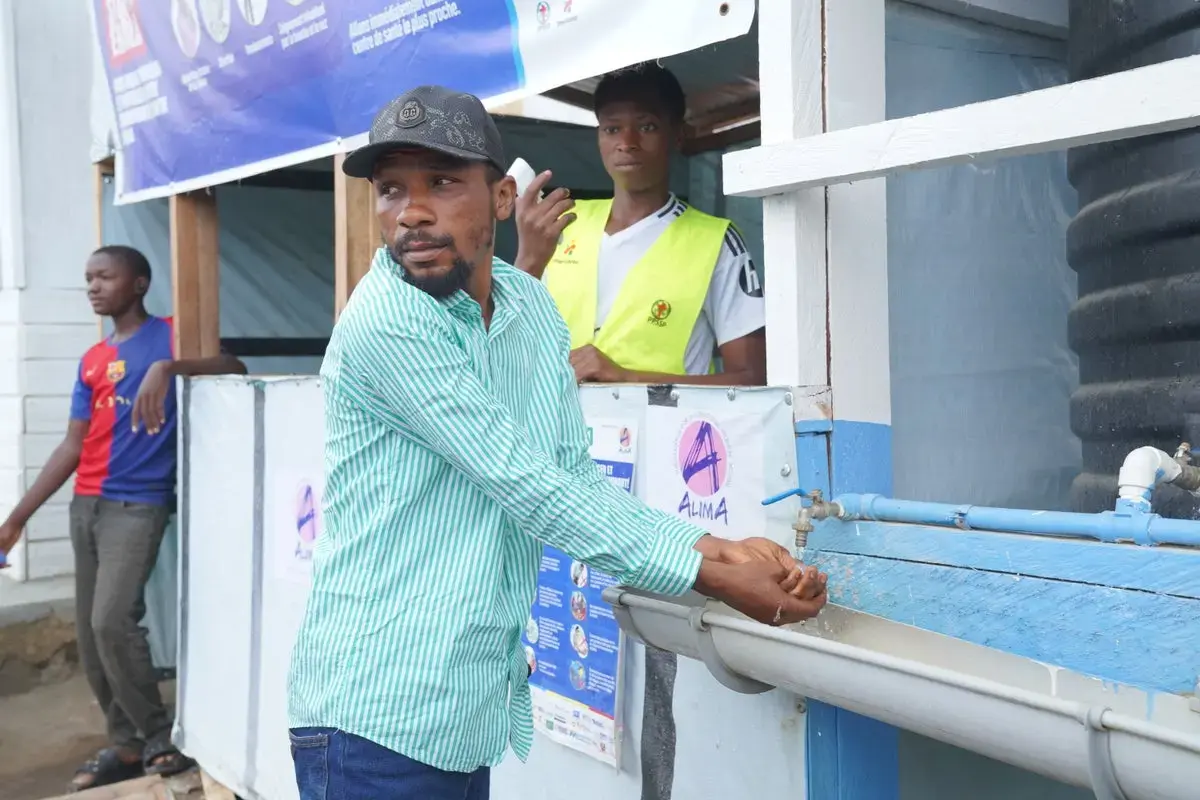
The Burden of Uncompensated Care
Wiza Bondele has spent months working tirelessly to contain a deadly Ebola outbreak in the region. Since the crisis was officially declared in mid-May, he has served as a frontline health responder without receiving any salary. His dedication highlights the extreme strain on local medical systems during this emergency.
Latest news
 UN Report Accuses US and Iran of Serious Human Rights Violations
 Canada Eyes EU Associate Membership Under Prime Minister Mark Carney
 Fiji Declares National Emergency Over Rapid HIV Surge
 Israeli Forces Detain Palestinian Journalist in Ramallah Raid
The current outbreak is spreading at an alarming rate, marking it as one of the fastest escalations in history. Health workers like Bondele face daily risks while managing patient isolation and community education efforts. Despite the lack of financial compensation, these volunteers remain the primary barrier preventing the virus from reaching even more vulnerable populations.
The absence of pay for essential staff is creating a critical gap in the humanitarian response. Many responders rely on personal savings or community support to continue their life-saving work. This financial instability threatens to burn out the very people tasked with stopping the transmission of the disease.
Can the Spread Be Stopped Without More Resources?
Without a steady stream of funding for wages, the mobilization of trained personnel remains fragile. Local authorities are struggling to manage the logistics of the outbreak while resources remain stretched thin. The reliance on unpaid labor underscores the desperate need for international aid and systemic support for those on the ground.
The trajectory of the virus depends heavily on the ability to maintain a consistent medical presence. If volunteers are forced to leave their posts due to economic pressure, the containment efforts will likely collapse. Ensuring that frontline workers receive fair compensation is now a top priority for health organizations.
Frequently Asked Questions
The outlook remains uncertain as the infection numbers continue to climb daily. Success depends on stabilizing the workforce and providing the necessary equipment to keep responders safe. Without immediate intervention, the region faces a prolonged battle against a virus that shows no signs of slowing down.
How long has the current Ebola response been ongoing? The emergency response efforts began in mid-May when the outbreak was officially declared. Since that time, volunteers have been active in containment efforts.
Why are some health workers operating without pay? Severe resource shortages and logistical delays have prevented many frontline responders from receiving salaries. This has created a heavy reliance on unpaid personnel to maintain critical health services.