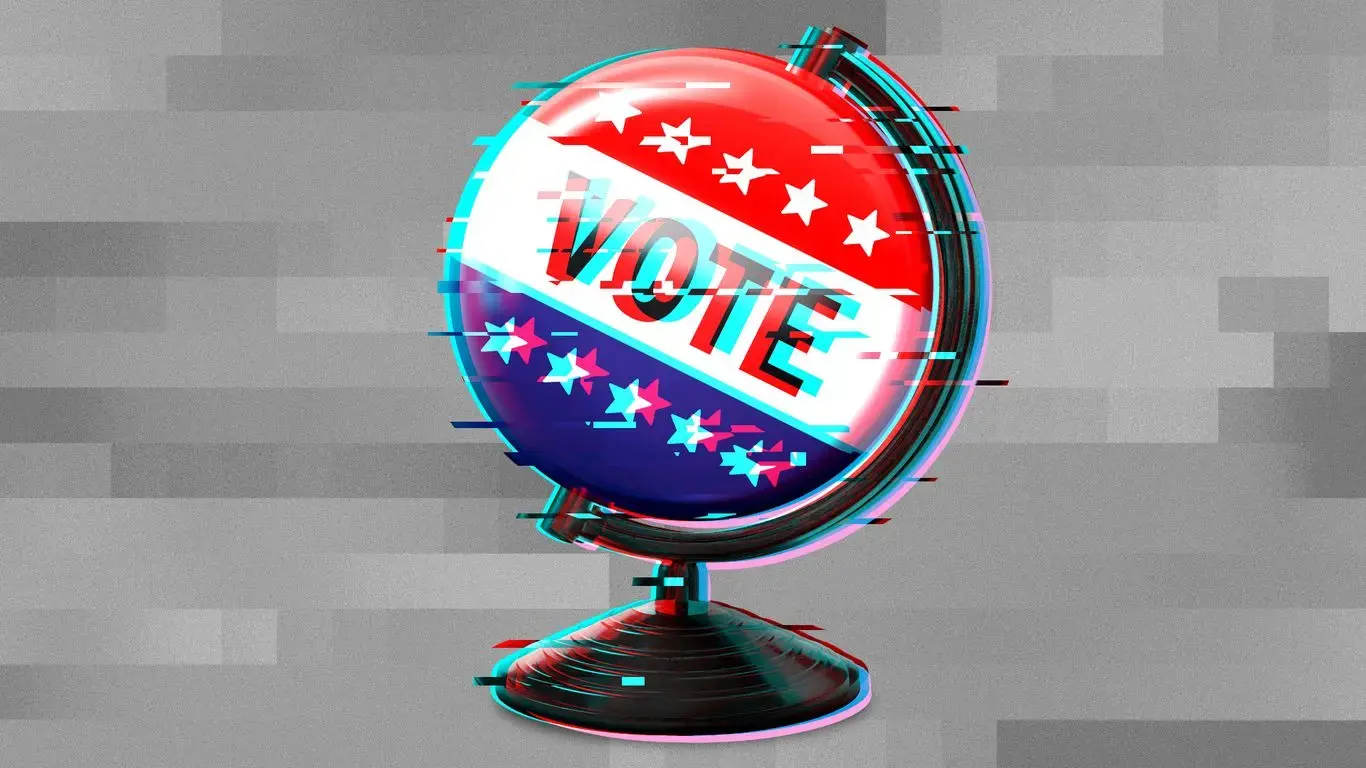
Synthetic Media Amplifies Existing Skepticism
The core issue lies in the erosion of trust. Politicians have historically struggled to maintain credibility with the electorate. Now, AI-generated content adds a new layer of complexity to this problem. Voters must rely on their senses to verify information, yet those senses are increasingly deceived. Experts in political technology warn that this trend could deepen the existing gap between citizens and their government. The result is a more skeptical and confused voting population.
Latest news
 Swedish Voters Choose New Parliament as Left-Wing Coalition Projects to Win Majority
 Trump Announces End of US Tariff on Irish Whisky
 Frances Stonor Saunders, Author of CIA Cultural Espionage Exposé, Dies at 66
 Israel and Lebanon to Hold Security Talks in Rome This October
The integration of AI into campaign strategies marks a significant departure from traditional advertising methods. In previous cycles, voters could generally trust visual evidence from rallies or debates. Today, deepfakes and algorithmic generation allow candidates to appear in scenarios they never attended. This capability blurs the line between authentic political messaging and manufactured narratives. Social media algorithms further accelerate the spread of these clips, ensuring wide reach before fact-checkers can intervene. The speed of production outpaces the speed of verification. Consequently, many voters encounter misleading visuals before they have time to process the context. This rapid dissemination creates a persistent doubt about what is real and what is constructed.
Political technologists observe that this phenomenon is not just a technical glitch. It is a strategic advantage for campaigns willing to invest in advanced software. By leveraging machine learning, parties can test thousands of ad variations quickly. They identify which emotional triggers resonate most strongly with specific demographic groups. This precision targeting makes the ads feel personal and authentic, even when they are entirely synthetic. The familiarity of the voice and face lowers the viewer’s guard. When the visual matches the expected candidate, the brain accepts the message more readily. This psychological shortcut becomes dangerous when the underlying image is generated by code rather than captured by a camera.
Does Visual Evidence Still Matter?
The reliance on sight as proof is a deeply ingrained human habit. For decades, seeing a politician shake hands or cut a ribbon served as tangible evidence of action. AI disrupts this fundamental assumption. If a video can be created in minutes, the physical presence of the subject becomes less relevant. This shift forces voters to seek alternative forms of validation. They may look for corroborating reports from multiple independent sources. However, this requires higher levels of media literacy than the average voter possesses. The burden of proof shifts from the candidate to the citizen. This reversal places an immense cognitive load on individuals trying to make informed decisions under time pressure.
The consequences extend beyond single election cycles. As AI tools become cheaper and more accessible, smaller parties and third-party candidates will join the trend. The volume of synthetic content will likely increase exponentially. Public trust in institutions may continue its downward trajectory unless new norms emerge. Voters might develop a habit of skepticism toward all political media, including genuine footage. This widespread doubt could lead to apathy or heightened polarization. Candidates who master the art of believable AI advertising may gain a decisive edge. The future of democratic engagement depends on how quickly society adapts to this new visual landscape.
Frequently Asked Questions
How does AI change the way voters verify information? Voters can no longer rely solely on visual cues to confirm a politician's presence or actions. They must cross-reference claims with multiple independent sources to ensure accuracy.
Why do political experts worry about this trend? Experts fear that AI ads will deepen the existing crisis of trust in political institutions. The ease of creating fake content makes it harder for citizens to believe official statements.
Is this a new problem for American elections? While politicians have always faced trust issues, AI introduces a novel challenge. It attacks the reliability of sensory evidence itself, not just the words spoken by leaders.