Legal Basis and International Reaction
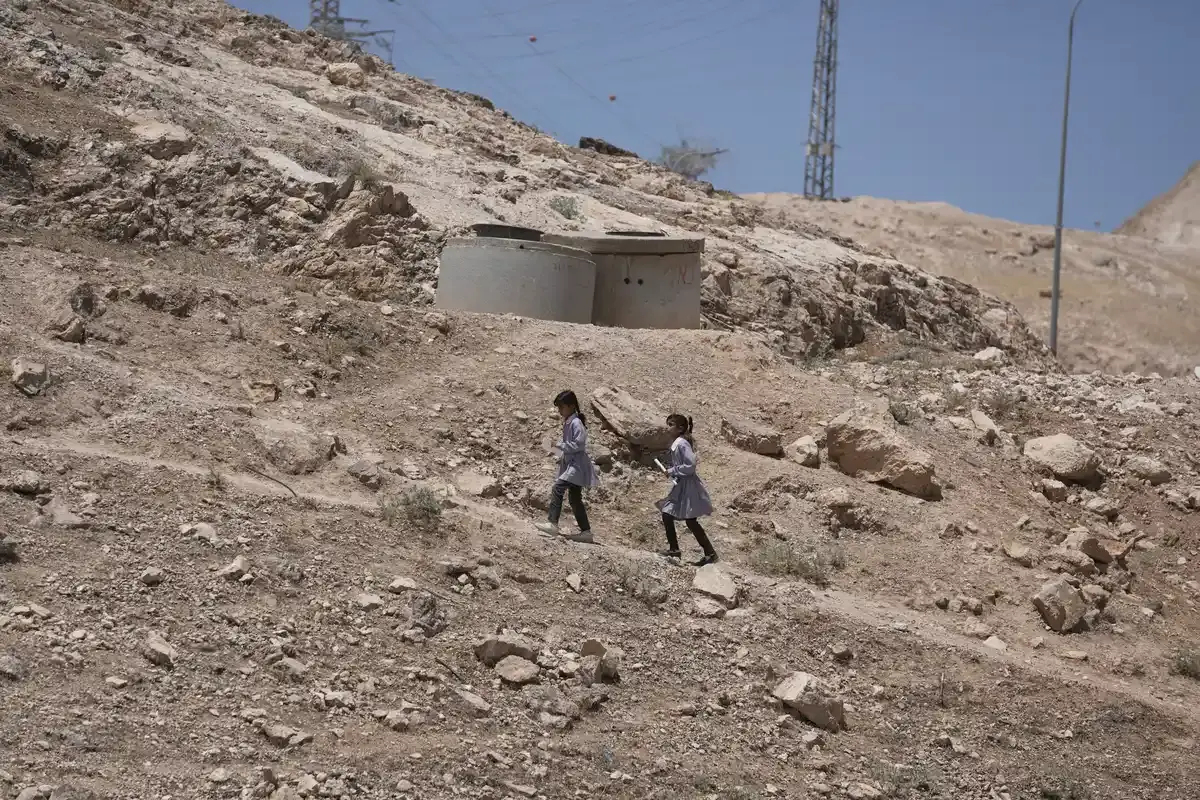
Amnesty International has accused the Israeli government of carrying out an ethnic cleansing campaign against Palestinians in the West Bank, alleging deliberate actions to force displacement and annex territory. The claim was released on June 11, 2026, following reports of increased settlement activity and demolition orders targeting Bedouin villages such as Khan al‑Ahmar.
Latest news
 Swedish Voters Choose New Parliament as Left-Wing Coalition Projects to Win Majority
 Trump Announces End of US Tariff on Irish Whisky
 Frances Stonor Saunders, Author of CIA Cultural Espionage Exposé, Dies at 66
 Israel and Lebanon to Hold Security Talks in Rome This October
The human‑rights group says Israel’s strategy combines legal maneuvers, construction of new settlements, and demolition of homes deemed „illegal.” Amnesty’s report cites dozens of demolition notices issued since 2024 and a surge in settlement permits approved by the Israeli Planning Ministry. The organization argues that these measures aim to alter the demographic balance and solidify Israeli control ahead of a planned annexation of parts of the West Bank.
Amnesty points to Israel’s reliance on the 2025 „Annexation Blueprint,” a policy document that outlines steps to extend Israeli sovereignty over strategic areas. The group warns that the blueprint conflicts with international law, which prohibits the acquisition of territory by force. In a statement, Amnesty’s senior counsel, Maya Rosenberg, said, „The systematic removal of Palestinians and the expansion of settlements constitute a crime against humanity.”
Will the accusations trigger diplomatic action?
The United Nations has expressed concern, with the UN Human Rights Council calling for an independent investigation into the alleged violations. Several European governments have urged Israel to halt demolition orders and respect the rights of West Bank residents. Meanwhile, Israeli officials argue that the demolitions target structures built without permits and that settlement growth is a legitimate exercise of sovereign authority.
The accusations have already sparked diplomatic debate. The United States, traditionally a close ally of Israel, has refrained from endorsing the claims, citing the need for „further fact‑finding.” However, congressional members from both parties have urged the State Department to review aid packages tied to settlement activity.
In the region, Palestinian leaders have condemned the report as „yet another proof of Israel’s intent to erase Palestinian presence.” They have called for coordinated protests and legal challenges at the International Court of Justice. Israeli NGOs, on the other hand, dismiss Amnesty’s findings as politically motivated, asserting that security concerns drive any demolition decisions.
If the allegations gain traction, Israel could face increased international isolation and potential sanctions. The ongoing legal battles may also delay any formal annexation plans, as Israel grapples with mounting pressure from human‑rights watchdogs and foreign governments.
Frequently Asked Questions
What evidence does Amnesty cite to support the ethnic cleansing claim? Amnesty references demolition orders, settlement permits, and testimonies from displaced families, arguing that the pattern shows intent to remove Palestinians permanently.
How has Israel responded to the report? Israel maintains that demolitions target illegal construction and that settlement expansion complies with domestic law, rejecting the ethnic cleansing label.
Could the accusations affect peace negotiations? Experts warn that heightened tensions may stall talks, as both sides become more entrenched and international mediators face pressure to address human‑rights concerns.