War-Driven Inflation Forces Central Bank Action
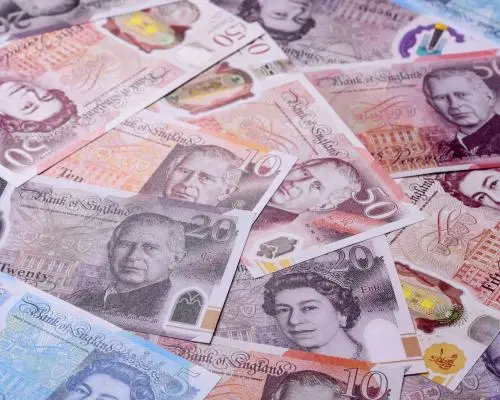
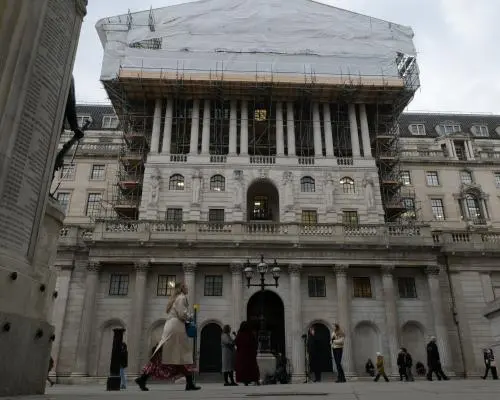
The Bank of England raised its base interest rate from 3.75% to 4%, marking the first increase in over three years. The decision came just one week after the UK government released its budget. Eight members of the Monetary Policy Committee voted in favor of the hike. The move aims to curb inflation that has surged due to the ongoing conflict with Iran.
Latest news
 US Ally Taiwan's $14B Military Package Back on Track, Defense Minister Says
 Veterans of Brazilian democracy helped Lula win
 Trump Administration Dismantled 500 Cancer Protections, Report Finds
 European Activists Mobilize Against Data Center Expansion
The rate increase was narrowly approved, with only one dissenting vote. Catherine Mann, the committee member who dissented, argued for a more gradual approach. She believed the current economic data did not yet justify an immediate rate hike. This split vote highlights the internal debate over how aggressively to respond to inflationary pressures.
The conflict with Iran has disrupted global energy markets, driving up prices across the economy. Fuel costs, shipping rates, and commodity prices have all risen sharply. The Bank of England identified this war-driven inflation as the primary reason for the rate hike. The committee noted that inflation expectations had become unanchored, increasing the risk of a wage-price spiral.
Will Rates Rise Again?
The timing of the decision, so close to the budget announcement, suggests the Bank felt compelled to act before fiscal policy could further complicate the inflation outlook. Analysts noted that the government's budget introduced new spending measures that could add to inflationary pressure.
The Bank of England explicitly warned that further rate increases are possible. The committee signaled that 4% may not be the final rate. If inflation continues to climb due to the Iran conflict, the central bank is prepared to hike again. This forward guidance is designed to anchor market expectations and prevent inflation from becoming entrenched.
Investors reacted cautiously to the announcement. Bond yields ticked up slightly, while equity markets held steady. The message from the Bank is clear: it will not tolerate persistent inflation, even if it risks slowing economic growth.
Frequently Asked Questions
Why did the Bank of England raise rates now? The Iran war has pushed inflation higher through energy and commodity price spikes. The Bank acted to prevent these shocks from becoming permanent.
How many MPC members voted for the hike? Eight of the nine committee members supported the increase to 4%. Only Catherine Mann dissented, preferring a slower approach.
Could rates go higher than 4%? Yes. The Bank warned of a possible future hike if inflation remains elevated due to the ongoing conflict.