How Did the Scandal Shape Clinton’s View of Media Accountability?
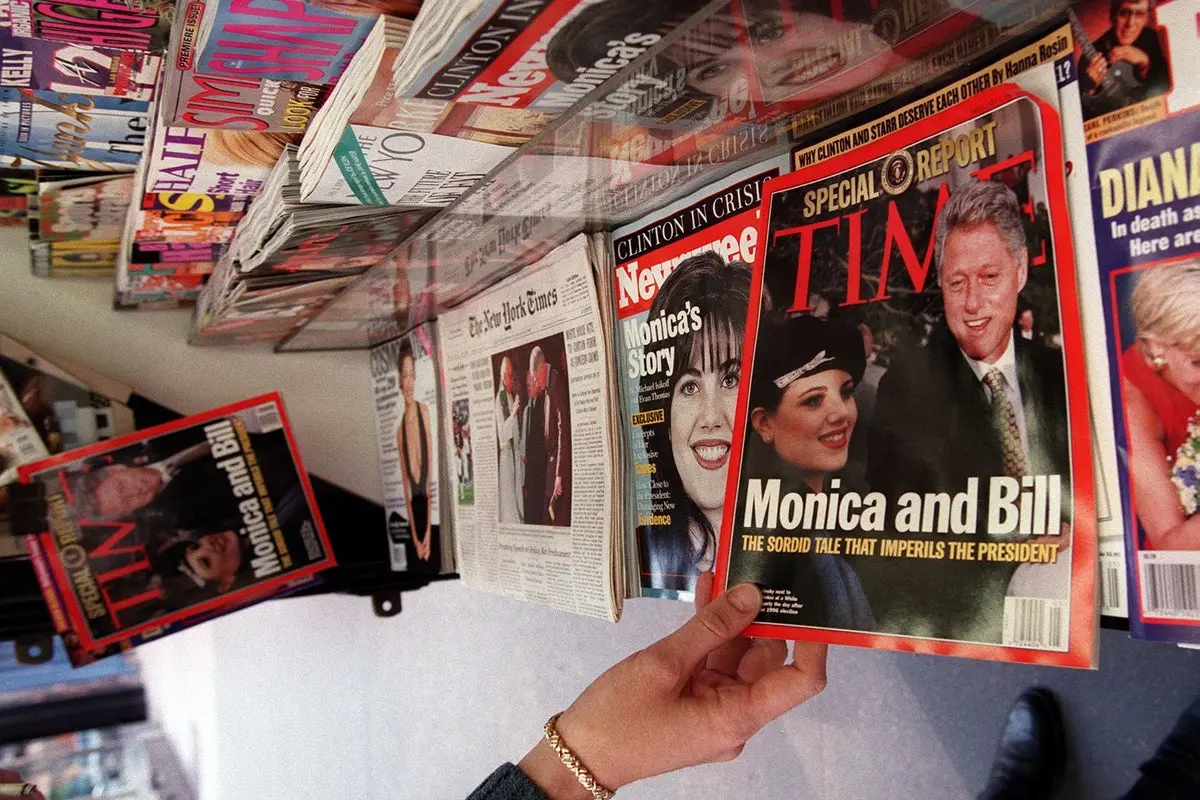
Former President Bill Clinton acknowledged moments during his presidency when he considered restricting press access following the revelation of his affair with White House intern Monica Lewinsky in the 1990s. Speaking in a recent interview, the Democrat admitted frustration with media coverage but confirmed he never acted on impulses to ban journalists. The scandal, which erupted in 1998, dominated Washington politics and led to his impeachment by the House of Representatives, though he was acquitted by the Senate. Clinton’s reflections come amid renewed public interest in how leaders navigate intense scrutiny during personal and political crises.
Latest news
 Could AI Companies Face Liability for Mass Shootings?
 OpenAI Investigates Unauthorized Actions by Autonomous AI Agents
 Israeli Forces Raid West Bank Towns and Refugee Camps, Deploy Stun Grenades
 Tehran Submits Seven-Day Proposal to Washington
The affair with Lewinsky became public after tapes surfaced of conversations between Lewinsky and her confidante, in which she detailed the relationship. Independent Counsel Kenneth Starr’s investigation expanded from a land deal inquiry to include allegations of perjury and obstruction of justice related to the affair. Clinton initially denied the relationship under oath, later admitting to inappropriate conduct. The ensuing impeachment trial captivated the nation, with debates over privacy, presidential conduct, and the role of independent counsels. Despite the turmoil, Clinton maintained high approval ratings throughout the process, highlighting a complex public perception of his presidency.
What Lessons Does Clinton See for Future Leaders Facing Crises?
Clinton explained that while he felt besieged by relentless news cycles, he recognized the press’s role in holding power to account. He noted that attempts to restrict media freedom would have undermined democratic principles, even during personal distress. His comments underscore a tension many leaders face between protecting privacy and upholding transparency. The former president emphasized that enduring scrutiny, however painful, is part of the office’s responsibility. He also acknowledged that the 24-hour news cycle, still emerging at the time, intensified pressure in ways previous administrations had not experienced.
Clinton suggested that future leaders should prepare for intense media attention, especially in the age of social media and instant news dissemination. He advised maintaining honesty early in crises to preserve credibility, referencing his own initial denials as a misstep. He also stressed the importance of surrounding oneself with trusted advisors who provide candid counsel, not just reassurance. Looking ahead, he expressed hope that institutions would strengthen to support leaders through personal failings without compromising accountability. The scandal, he said, remains a cautionary tale about the consequences of poor judgment and the resilience required to lead amid controversy.
Did Bill Clinton ever try to ban the press during the Lewinsky scandal? No, Clinton admitted he had moments of frustration where he considered restricting press access but confirmed he never took action to do so.
Frequently Asked Questions
What was the outcome of the impeachment proceedings against Clinton? The House of Representatives impeached Clinton on charges of perjury and obstruction of justice, but the Senate acquitted him, allowing him to complete his second term.
How did the scandal affect Clinton’s legacy? While the impeachment remains a defining moment, Clinton left office with high approval ratings, and his presidency is often remembered for economic growth and political centrism alongside the personal scandal.