
The aircraft will feature next-generation stealth coatings and thermal
Boeing has secured a $20 billion contract to develop and produce the U. S. Navy's F/A-XX sixth-generation fighter aircraft, succeeding the F/A-18 Super Hornet fleet. The award follows years of classified competition and several false starts in the protracted selection process. The Navy confirmed the decision after extensive evaluation of stealth, range, and networked combat capabilities. The F/A-XX program aims to deliver a platform capable of operating in high-threat environments beyond 2040, integrating advanced sensors, artificial intelligence, and loyal wingman drone teaming. Boeing's design emphasizes adaptive cycle engines and modular open systems architecture to allow rapid upgrades. The contract covers initial development, testing, and low-rate production, with full-scale deployment expected in the early 2030s. How Boeing's Design Meets Future Threats Navy officials stated the winning concept demonstrated superior performance in simulated engagements against peer adversaries, particularly in electronic warfare and long-range missile engagement scenarios.
Latest news
 G20 Trade Ministers Gather in Wisconsin Amid Tariff Tension
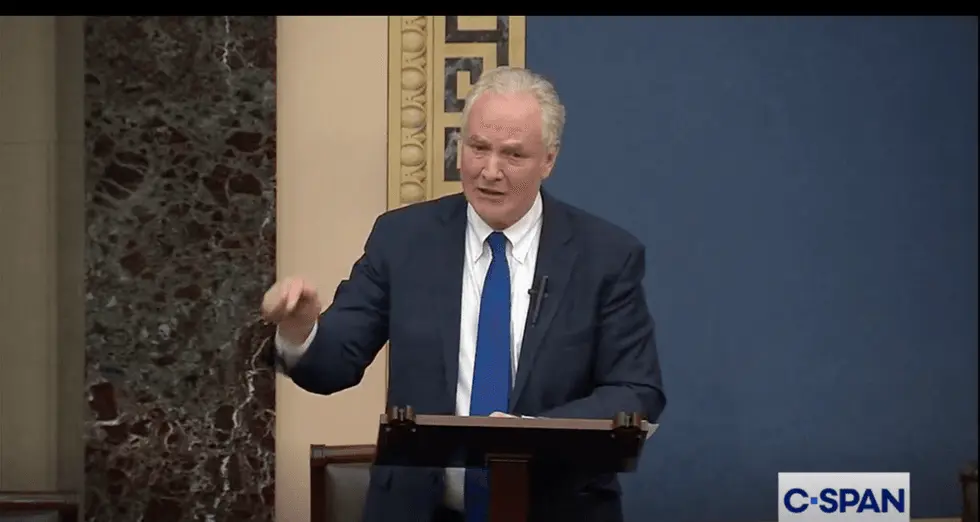 Senate Democrats Unite to Push for West Bank Violence Report
 Sandino's Rebellion Against U.S. Occupation Begins in Nicaragua
 Diesel Surpasses Gasoline as Europe's Most Expensive Fuel
The aircraft will feature next-generation stealth coatings and thermal management systems to reduce detectability. Internal weapons bays will accommodate hypersonic munitions and directed energy prototypes under development. What Challenges Remain Before Flight Testing? Despite the contract award, significant hurdles remain, including maturation of critical technologies like adaptive engines and AI-driven decision aids. Congressional oversight committees have urged caution, citing past cost overruns in similar programs. Boeing must now pass rigorous milestone reviews before proceeding to flight tests, currently slated for 2028. Frequently Asked Questions What replaces the F/A-XX in the Navy's fleet? The F/A-XX will gradually replace the F/A-18E/F Super Hornet, which has served as the carrier air wing's backbone since the early 2000s. The transition will begin in the mid-2030s as Super Hornets reach end of service life. Will the F/A-XX be carrier-capable from the start?
Yes, the aircraft is being designed specifically for carrier operations, with reinforced landing gear, foldable wings, and tailhook systems optimized for arrested landings and catapult launches aboard Nimitz and Ford-class carriers. How does this contract affect Boeing's defense division? The win provides a major long-term revenue stream for Boeing Defense, Space & Security, helping offset recent commercial aviation challenges. It also strengthens the company's position in next-generation air combat systems alongside competitors like Lockheed Martin and Northrop Grumman.