The Fragility of Lethal Injection Protocols
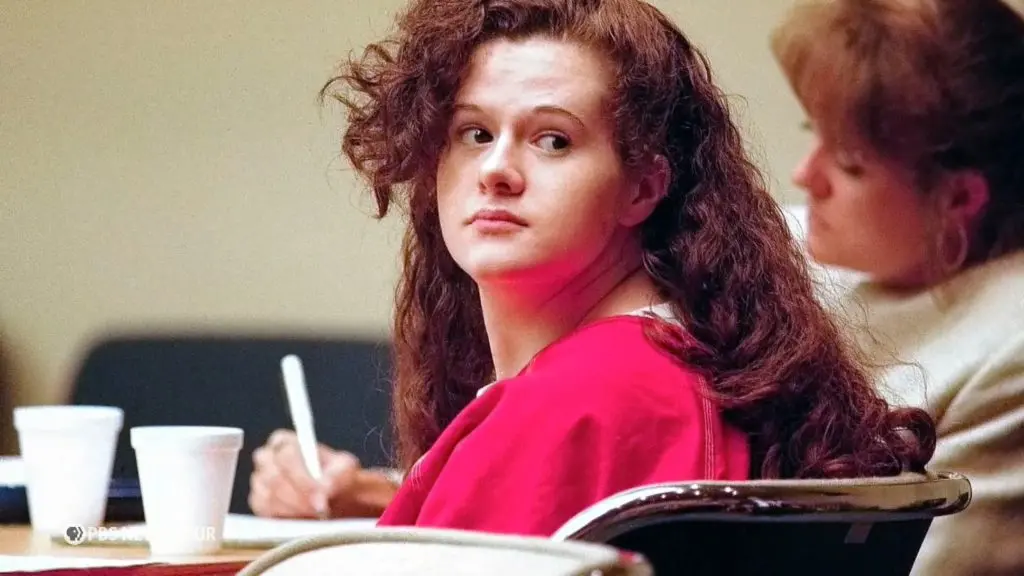
A failed execution attempt in Tennessee has reignited a fierce national debate regarding the ethics of the death penalty. Christa Pike, an inmate on death row, recently survived a botched lethal injection procedure. The incident occurred at a state facility, forcing legal experts and human rights advocates to scrutinize current execution protocols and the morality of state-sanctioned killing.
Latest news
 Leader of Jewish Greens Calls for Polanski to Step Down After Defeat
 EU Unveils Critical Mineral Projects List Focused on Clean Energy Metals
 Navanethem „Navi” Pillay Wins 2026 Nobel Peace Prize for Advancing Global Justice
 The Supreme Court’s recent ruling has reignited the fight against conversion therapy for LGBTQ+ youth
The procedure encountered significant technical failures, preventing the administration of the lethal drugs. Officials halted the process after medical personnel could not establish the necessary access to carry out the sentence. This rare occurrence has brought intense focus to the state’s reliance on complex chemical cocktails. Critics argue that these methods are inherently prone to error and cause unnecessary suffering.
Legal challenges have long plagued the use of lethal injection across the United States. Many states struggle to procure the specific drugs required for these protocols due to pharmaceutical companies blocking their products for use in executions. This shortage often forces corrections departments to experiment with untested or alternative drug combinations.
Can Modern Justice Systems Ever Ensure a Humane Execution?
The Tennessee incident highlights the unpredictable nature of these procedures. When medical staff fail to properly administer the chemicals, the result is often a prolonged and agonizing experience for the condemned. Opponents of the death penalty point to this case as proof that the system is fundamentally broken and cannot be made humane.
Proponents of the death penalty maintain that justice must be served for the most heinous crimes. However, the recurring reports of botched attempts are making it increasingly difficult for state governments to justify their continued use. Legal scholars suggest that the legal system may face a new wave of constitutional challenges based on the Eighth Amendment’s protection against cruel and unusual punishment.
Frequently Asked Questions
The future of capital punishment in Tennessee remains uncertain as authorities conduct a full review of their execution procedures. Governor and corrections officials are under pressure to provide transparency regarding the failure. This event will likely serve as a pivotal moment in the broader American conversation about whether the state should retain the power to end a life.
What happened during the execution of Christa Pike? The execution was aborted after medical staff were unable to successfully administer the lethal drugs. The procedure was halted mid-process, leaving the inmate alive.
Why are botched executions becoming a concern? These incidents highlight the difficulty of obtaining reliable execution drugs and the lack of medical expertise involved in the process. They raise significant legal and ethical questions about whether the state can carry out the death penalty without causing undue suffering.