Why California Is Leading the Charge on AI Safeguards
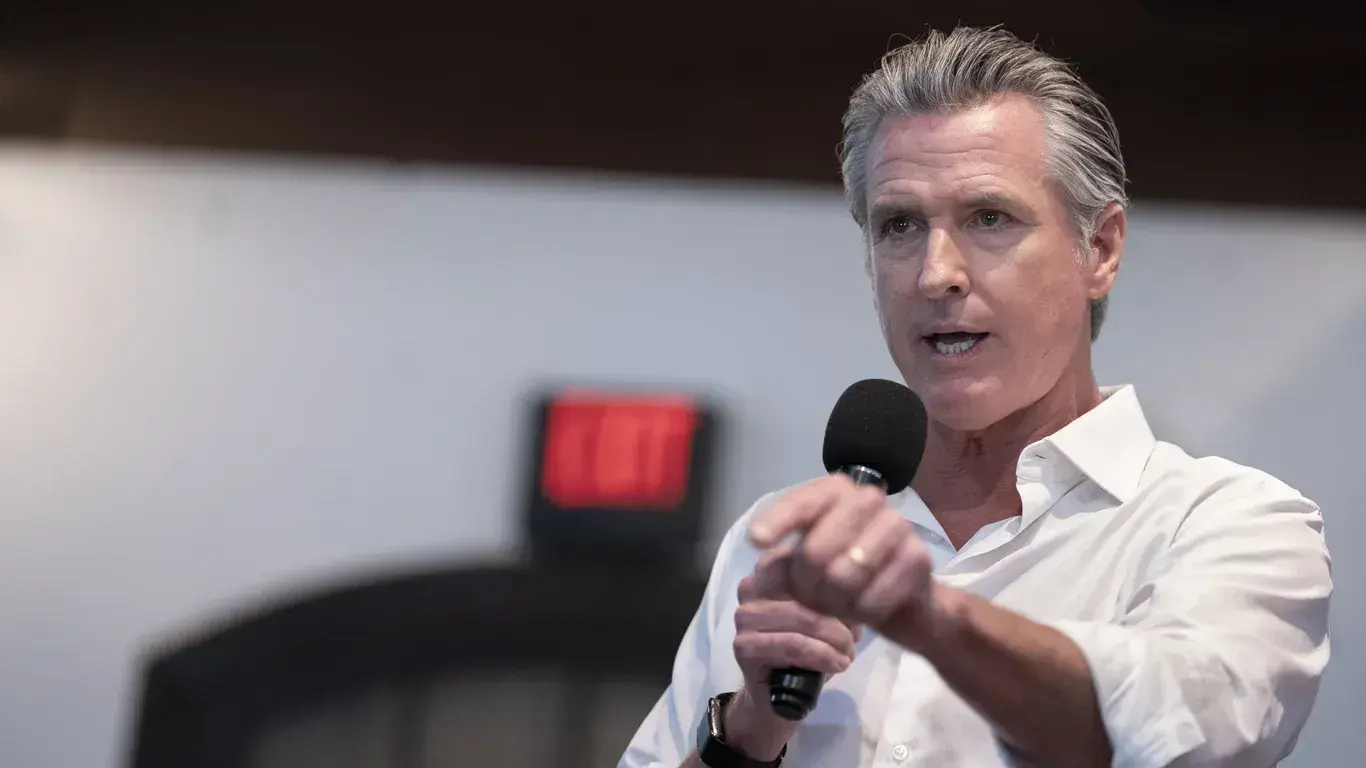
California Governor Gavin Newsom, widely seen as a potential 2028 presidential contender, issued an executive order on artificial intelligence safety this week, stepping into a policy vacuum left by stalled federal efforts. The move comes as Washington remains deadlocked on comprehensive AI legislation, prompting state-level Democrats to take the lead. Newsom’s order directs state agencies to assess AI risks, prioritize transparency in government use of automated systems, and develop guidelines for ethical deployment. While acknowledging Vice President Kamala Harris’s growing national profile on tech policy, Newsom emphasized that California cannot wait for federal consensus to act on emerging threats.
Latest news
 South Africans Mark Femicide Victims in Emotional Cape Town Vigil
 Russians flee ahead of election results, fearing forced mobilisation
 Israeli Forces Conduct Demolitions in Southern Lebanon, Hospital Set Ablaze
 Fear of AI Job Losses Now Outweighs Hope for New Opportunities, Study Shows
The executive order reflects growing concern among Democratic leaders about unchecked AI development, particularly in areas like deepfakes, algorithmic bias, and autonomous decision-making in hiring and law enforcement. Newsom’s administration cited recent incidents where AI-generated content disrupted local elections and public trust. By mandating impact assessments for high-risk AI systems used by state contractors, the order aims to create a model for responsible innovation. Officials say the framework will balance innovation with accountability, drawing input from tech experts, civil rights groups, and labor unions. The governor stressed that states must act as laboratories of democracy when national gridslock prevents timely action.
How Will This Affect Tech Companies Operating in California?
Under the new directive, companies deploying AI in sectors like healthcare, finance, and transportation will face stricter scrutiny when working with state entities. While the order does not impose direct penalties on private firms, it sets procurement standards that could influence broader industry practices. Newsom’s team clarified that the goal is not to stifle innovation but to ensure public safety and fairness. Some tech leaders have welcomed the clarity, noting that consistent state guidelines reduce compliance uncertainty. Others warn that fragmented regulations across states could complicate national operations, though Newsom argued that federal inaction leaves states with no alternative.
Critics caution that overly restrictive measures could drive investment and talent away from California, potentially weakening its position as a global tech hub. Newsom acknowledged these concerns but argued that unchecked AI poses greater long-term risks to democratic institutions and economic equity. He pointed to bipartisan support in Congress for basic AI safety principles, suggesting that state action could eventually inform national policy. The governor also noted that the order includes provisions for regular review and adjustment based on technological advances and public feedback. By anchoring the approach in evidence and inclusivity, his administration hopes to avoid the pitfalls of reactive or ideologically driven policymaking.
What Are the Risks of Moving Too Fast on AI Regulation?
What specific AI applications does the executive order target? The order focuses on high-risk uses such as facial recognition in law enforcement, AI-driven hiring tools, and automated systems in healthcare and benefits distribution. It requires risk assessments and transparency reports for these applications before state agencies can adopt them.
Frequently Asked Questions
How does this order relate to Vice President Harris’s work on AI? While Newsom acknowledged Harris’s growing role in national AI discussions, he emphasized that California’s initiative operates independently and addresses immediate state-level needs. Both leaders support stronger safeguards but are pursuing different avenues of influence.
Will this executive order have legal force beyond state contracts? The directive primarily governs how California agencies procure and use AI technology. It does not create new laws for private companies but may influence industry standards through market power and regulatory signaling.